AI Investments: How Family Offices Are Adapting to New Technologies
Family offices are increasingly investing in AI technology to enhance operations and decision-making. Discover the latest trends.
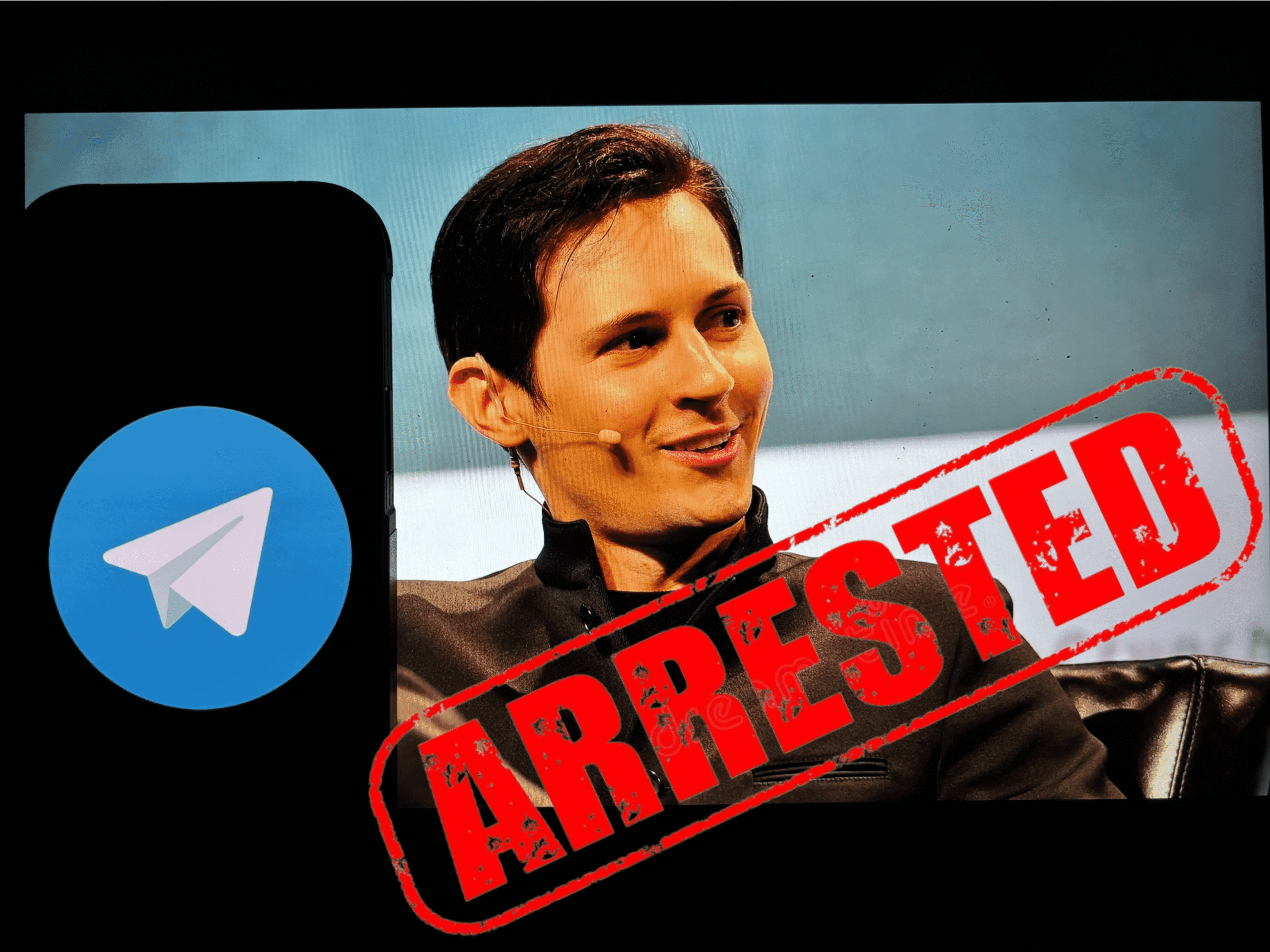
In an era of digital connectivity, your right to free speech faces unprecedented challenges. As governments and corporations tighten their grip on online discourse, you may wonder how to navigate this shifting landscape. Recent events, such as X’s ban in Brazil and the arrest of Telegram’s CEO, highlight the fragility of open communication platforms. You’re not alone in questioning the future of free expression. This article delves into the current threats to free speech, exploring the measures being taken to safeguard your voice in the digital realm. Discover the tools and strategies at your disposal to communicate securely and preserve your freedom of expression in an increasingly restrictive online world.
Social media platforms have revolutionized communication, offering unprecedented opportunities for free expression. However, recent events like Twitter being banned in Brazil and the arrest of Pavel Durov, Telegram’s CEO, highlight the complex challenges facing online speech. These incidents underscore the delicate balance between protecting free expression and addressing concerns like misinformation and national security.
Telegram, founded by Pavel Durov, has become a beacon of free speech in the digital realm. With its minimal content moderation and strong encryption, the platform allows users to communicate securely and freely. However, this stance has led to controversies, including Durov’s arrest and twitter banned in brazil, highlighting the ongoing struggle between free expression and content regulation.
Twitter, now known as X, has been banned in Brazil after refusing to comply with a court order to remove accounts of anti-government commentators. The ban includes a full suspension of the platform, with app stores ordered to remove it. Fines of up to $8,900 per day may be imposed on users attempting to access X via VPN, highlighting the severity of this free speech controversy.
Telegram CEO Pavel Durov was arrested in France on charges related to alleged criminal activity on the platform. French authorities accused Durov of enabling illicit transactions and failing to moderate content effectively. The arrest highlights growing scrutiny of tech companies’ content policies and raises concerns about free speech and platform accountability.

Telegram’s approach to content moderation has been criticized as lax compared to other platforms. With a small team of around 50 full-time moderators, the app struggles to consistently enforce its own rules against violent content. This challenge intensified after the Pavel Durov arrested incident, raising questions about the platform’s ability to balance user privacy with safety concerns.
Brazil banned X, formerly twitter, due to alleged non-compliance with judicial orders. Supreme Court Justice Alexandre de Moraes accused the platform of failing to moderate content that incited violence and spread misinformation. The ban followed X’s refusal to block certain accounts and name a legal representative in Brazil, escalating tensions between Elon Musk and Brazilian authorities.
As Twitter banned in Brazil sets a precedent, other nations may consider similar actions to combat misinformation and protect democracy. The arrest of Pavel Durov in France highlights growing global concerns about content moderation on social platforms. Countries may increasingly demand compliance with local laws, potentially reshaping the landscape of online free speech worldwide.
Recent events highlight growing threats to free speech globally. The arrest of Telegram’s CEO and Twitter being banned in Brazil exemplify government overreach. Censorship, surveillance, and legal restrictions are proliferating, with both conservative and liberal groups attempting to silence opposing views. Experts warn that these actions echo McCarthyism, chilling public discourse and limiting individual expression across various platforms.
Various efforts are underway to safeguard free speech. The U.S. government has introduced legislation like the Protecting Speech from Government Interference Act to prevent federal employees from pressuring social media companies to censor content. This comes amid concerns over incidents like Twitter banned in Brazil and Pavel Durov arrested, highlighting ongoing challenges to online expression globally.
In conclusion, the landscape of free speech and secure communication is rapidly evolving. As governments and corporations tighten their grip on digital platforms, individuals must remain vigilant in protecting their rights. The cases of X’s ban in Brazil and Telegram’s CEO arrest serve as stark reminders of the fragile nature of online freedom. However, hope persists through the efforts of privacy advocates, technological innovators, and conscientious citizens. By staying informed, supporting encryption technologies, and actively participating in the dialogue surrounding digital rights, you can play a crucial role in safeguarding free speech for future generations. The battle for unrestricted expression continues, and your voice matters more than ever in shaping its outcome.

Family offices are increasingly investing in AI technology to enhance operations and decision-making. Discover the latest trends.

Explore how AI integration is reshaping family office strategy and operations in 2026.

Discover how artificial intelligence is reshaping family office operations in 2026.
Protected by reCAPTCHA — the Google Privacy Policy and Terms of Service apply.
Join the discussion
Comments are open to signed-in members. Sign in to add yours, or apply to join the network.
Sign in Apply for FON+