Direct Investment Trends Shaping Family Office Strategies
Explore how direct investment trends are transforming family office strategies in 2026, driving flexibility and innovation in capital allocation.
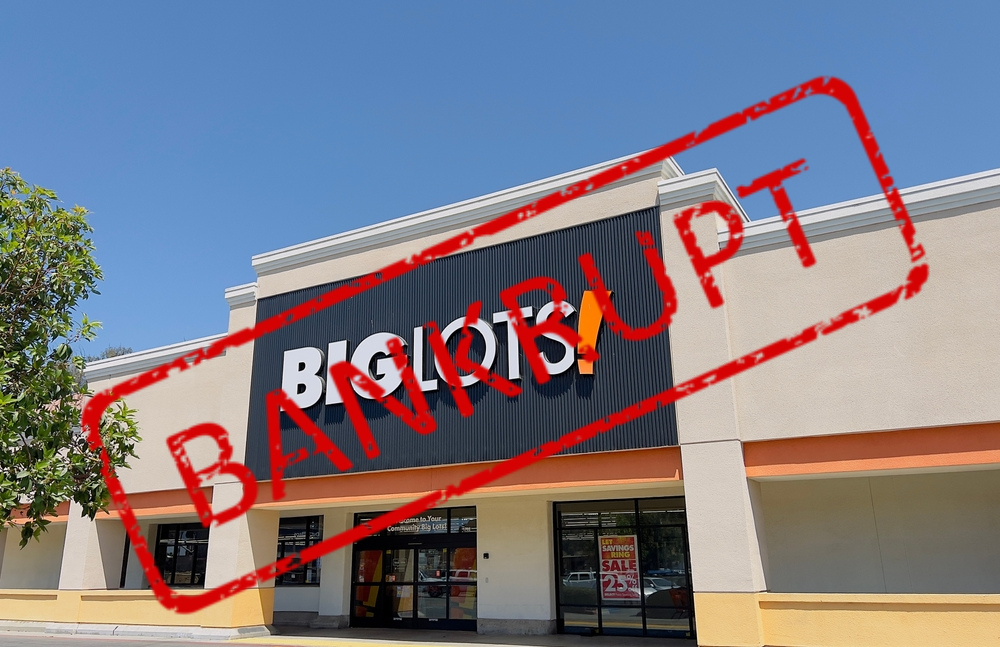
As you navigate the ever-changing landscape of business and finance, recent high-profile bankruptcies like Big Lots and LL Flooring serve as stark reminders of the volatility in today’s market. These corporate failures are not isolated incidents but rather symptoms of broader economic conditions and policies that have created a challenging environment for retailers and other large businesses. In this article, we’ll delve into the factors behind these bankruptcies, examine the macroeconomic forces at play, and explore the ripple effects on investors, equity holders, and creditors. Drawing insights from FON+ members and Peter Apostol, CEO of FON Media, we’ll uncover the lessons to be learned from these financial downfalls.
Big Lots, a well-known discount retailer, has recently filed for bankruptcy amid mounting financial pressures. The company’s core customers, feeling the pinch of economic uncertainty, have significantly reduced their discretionary spending. This shift in consumer behavior has dealt a severe blow to Big Lots’ bottom line, resulting in a staggering $205 million net loss on $1 billion in net sales during a recent 13-week period.
The Big Lots bankruptcy can be attributed to several factors, including fierce competition from other off-price retailers and strategic shortcomings in product assortment and value proposition. As consumers became more price-conscious, Big Lots struggled to differentiate itself in a crowded market. The company’s inability to adapt quickly to changing consumer preferences and economic conditions ultimately led to its financial downfall.
In a parallel development, LL Flooring, formerly known as Lumber Liquidators, has also succumbed to bankruptcy. The hardwood flooring retailer is closing all 400 of its stores nationwide, unable to secure a buyer to rescue its operations. These high-profile bankruptcies underscore the challenging retail environment and the importance of adaptability in today’s volatile market.
As Big Lots navigates its bankruptcy proceedings, industry analysts predict further store closures are on the horizon. The discount retailer, known for its bargain-priced merchandise, has already shuttered numerous locations in recent months as part of its restructuring efforts.
Big Lots’ financial woes stem from a combination of factors, including:
These challenges, coupled with the broader economic downturn, have forced the company to reevaluate its brick-and-mortar strategy.
The potential for additional store closures raises concerns about job losses and the economic impact on local communities. As Big Lots works to streamline its operations and emerge from bankruptcy, the company must balance financial recovery with its responsibility to employees and customers.
While the future remains uncertain, Big Lots’ restructuring efforts and the outcome of its bankruptcy proceedings will likely shape the retail landscape in the coming months.
In a surprising turn of events, Big Lots, the discount retailer known for its bargain-priced merchandise, has filed for bankruptcy and agreed to sell its assets to a unit of Nexus Capital Management. This development comes as the company grapples with significant financial challenges, largely attributed to pandemic-era inflation and rising interest rates.
The once-thriving retailer reported a staggering net loss of $205 million on $1 billion in net sales over a 13-week period, highlighting the severity of its financial woes. As part of its restructuring efforts, Big Lots will close an unspecified number of stores and enter a sale process supervised by the U.S. Bankruptcy Court for the District of Delaware.
This bankruptcy filing, along with the recent closure of all 400 LL Flooring stores, underscores the ongoing struggles faced by traditional brick-and-mortar retailers in an increasingly digital marketplace. As economic uncertainties persist, industry observers are closely watching how these developments will reshape the retail sector.
The retail landscape has been shaken by the recent bankruptcy filings of two major players: Big Lots and LL Flooring. These companies, once household names, have fallen victim to a perfect storm of economic challenges. Big Lots, known for its discount merchandise, reported a staggering $205 million net loss in just 13 weeks, highlighting the severity of its financial woes. Meanwhile, LL Flooring, formerly Lumber Liquidators, announced the closure of all 400 stores, marking the end of an era for the hard surface flooring retailer.
Several key factors contributed to the Big Lots and LL Flooring bankruptcy filings:
These challenges created a difficult operating environment, ultimately forcing both companies to seek bankruptcy protection and restructure their operations.
The recent bankruptcies of Big Lots and LL Flooring highlight the volatile retail landscape. Both companies faced significant economic headwinds, with pandemic-era inflation and rising interest rates playing pivotal roles. These macroeconomic conditions led to declining sales and reduced consumer spending, particularly affecting discount retailers like Big Lots.
For LL Flooring, formerly known as Lumber Liquidators, the path to bankruptcy was paved with additional challenges. The company never fully recovered from a 2015 scandal involving high levels of formaldehyde in its laminate flooring. This controversy eroded consumer trust and sales, making it difficult for LL Flooring to navigate subsequent economic downturns.
The Big Lots bankruptcy filing has resulted in a potential sale to Nexus Capital Management, an affiliate of a private equity firm. Meanwhile, LL Flooring’s inability to secure a buyer has led to the closure of all 400 stores, impacting approximately 2,000 employees. These bankruptcies underscore the importance of adaptability and strong financial management in today’s retail environment.

The recent bankruptcies of Big Lots and LL Flooring have left numerous investors and creditors facing significant losses. In the case of Big Lots, major equity holders include BlackRock and Vanguard Group, who stand to lose substantial investments. The company’s lenders, including JPMorgan Chase and Wells Fargo, are also exposed to potential losses as they navigate the Chapter 11 process.
LL Flooring’s bankruptcy proceedings have similarly impacted its stakeholders. The company secured $130 million in debtor-in-possession financing from a bank group led by Bank of America, highlighting the complex web of financial relationships at stake. As LL Flooring closes all 400 stores, suppliers and landlords are likely to face significant losses.
These high-profile bankruptcies underscore the challenging macroeconomic conditions facing retailers. Peter Apostol, CEO of FON Media, notes, “The Big Lots and LL Flooring bankruptcies reflect broader economic pressures, including inflation and shifting consumer behaviors.” This sentiment echoes concerns voiced by FON+ members about the retail sector’s vulnerability in the current economic climate.
The bankruptcies of Big Lots and LL Flooring are part of a larger trend of major corporate failures. Big Lots, facing a staggering $205 million net loss, succumbed to economic pressures and changing consumer habits. Similarly, LL Flooring’s bankruptcy resulted in the closure of all 400 stores, leaving 2,000 workers jobless.
These bankruptcies stem from a perfect storm of economic challenges. Pandemic-era inflation and rising interest rates have squeezed both businesses and consumers. Core customers of these retailers have pulled back on discretionary spending, severely impacting sales and profitability.
The fallout from these bankruptcies extends to investors and creditors. While Big Lots secured a potential buyer in Nexus Capital Management, LL Flooring failed to find a purchaser. Equity holders face significant losses, while creditors like Bank of America, which provided $130 million in financing to LL Flooring, may recoup only a fraction of their investments.
As you’ve seen, the bankruptcies of Big Lots, LL Flooring, and other major corporations reflect broader economic challenges and policy shifts. These failures stem from a complex interplay of factors, including changing consumer behaviors, supply chain disruptions, and rising interest rates. The ripple effects extend far beyond the companies themselves, impacting investors, creditors, and employees alike. As FON+ members and our CEO Peter Apostol have noted, these events serve as stark reminders of the volatile nature of today’s business landscape. Moving forward, it’s crucial to remain vigilant, adaptable, and informed about economic trends and policies that shape corporate fortunes. By understanding the lessons from these bankruptcies, you can better navigate the ever-evolving world of business and investment.

Explore how direct investment trends are transforming family office strategies in 2026, driving flexibility and innovation in capital allocation.

Explore how flexibility in family office investing can enhance capital allocation strategies and lead to better opportunities.

Explore how the permanent $15 million estate tax exemption impacts family offices and wealth planning strategies.
Protected by reCAPTCHA — the Google Privacy Policy and Terms of Service apply.
Join the discussion
Comments are open to signed-in members. Sign in to add yours, or apply to join the network.
Sign in Apply for FON+