The Allure of Luxury Collectibles: A Family Office Perspective
Discover why luxury collectibles are becoming essential assets for family offices.
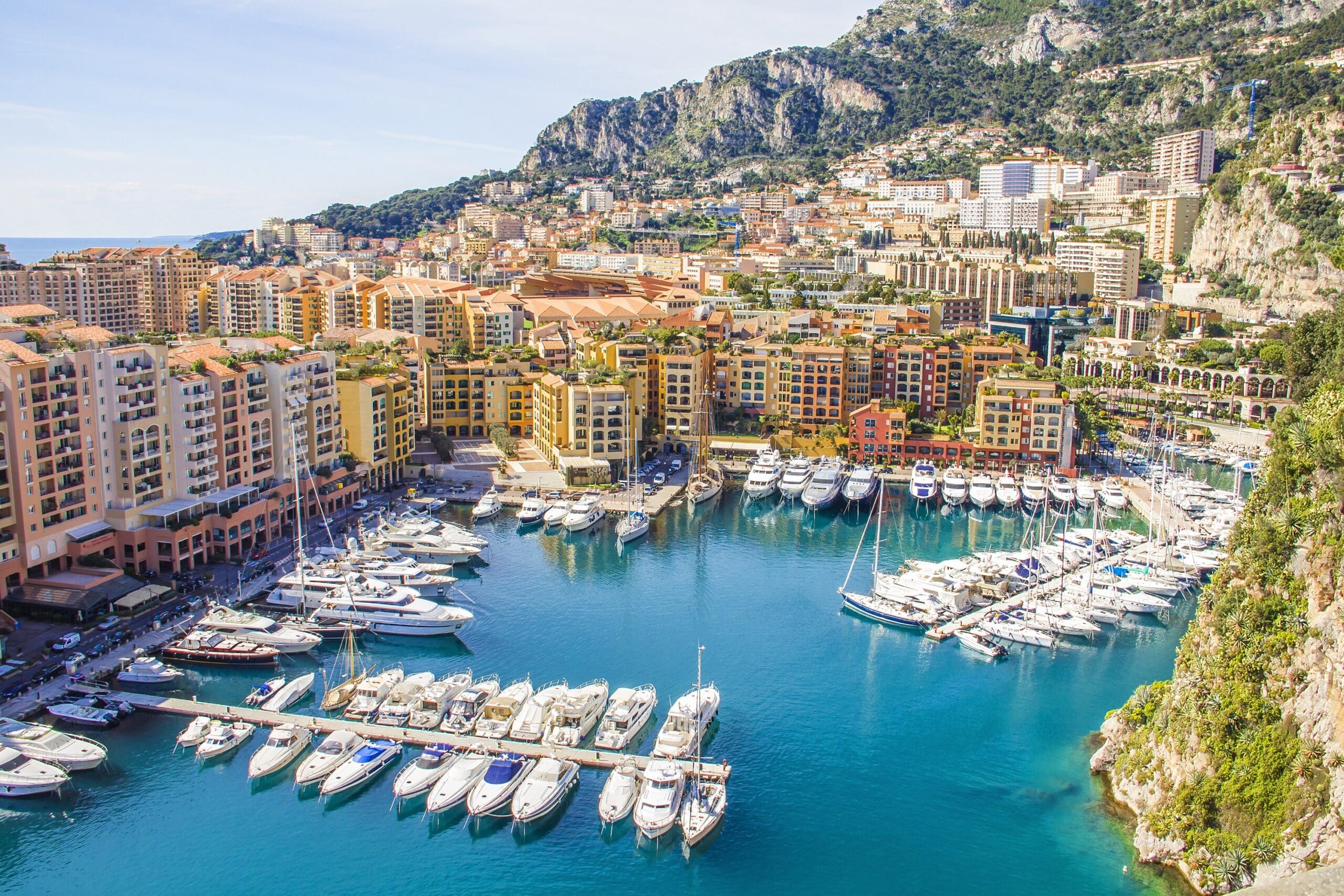
Darlings, gather ’round and polish your monocles. We’re about to embark on a journey to that glittering jewel of the French Riviera, that haven for the fabulously wealthy, that postage stamp-sized principality that makes most countries look positively proletarian by comparison. Yes, we’re talking about Monaco, the world’s second-smallest country (after Vatican City) and quite possibly its most glamorous tax haven.
At a mere 2.02 square kilometres (0.78 sq mi), Monaco is so small you could probably jog around its entire perimeter before breakfast – if you’re the sort of person who jogs, that is. But don’t let its diminutive size fool you. What Monaco lacks in landmass, it more than makes up for in concentrated wealth, glamour, and a healthy dose of absurdity.
Picture, if you will, a place where the dogs eat better than most humans, where the police officers look like they’ve stepped out of a fashion magazine, and where the air is thick with the scent of money and hairspray. Welcome to Monaco, darling. Mind the yacht.
Once upon a time, Monaco was just a rocky outcrop on the Mediterranean, home to a few Greek settlers and a temple dedicated to Hercules. Fast forward a few millennia, and it’s now home to more millionaires per capita than anywhere else on Earth. Talk about a glow-up.
The Grimaldi family, who’ve ruled Monaco since 1297, clearly knew a good thing when they saw it. Through a combination of political savvy, strategic marriages, and what one can only assume is some sort of dark magic, they’ve managed to keep their little principality independent and fabulously wealthy for centuries.
Of course, it helps that in 1869, they had the foresight to abolish income tax. Nothing attracts the wealthy quite like the promise of keeping all their money, does it? It’s like a siren song for the jet set, calling them to crash their luxury yachts upon Monaco’s gilded shores.
No discussion of Monaco would be complete without mentioning its crown jewel: Monte Carlo. This district is home to the world-famous Monte Carlo Casino, a place where fortunes are won and lost faster than you can say “double or nothing”.
The casino, with its Belle Époque architecture and chandeliers that probably cost more than your house, is a monument to excess. It’s the kind of place where James Bond wouldn’t look out of place ordering a martini (shaken, not stirred, naturally) at the bar.
But here’s a little secret: the locals aren’t allowed to gamble here. That’s right, the Monégasque are banned from their own casinos. It’s a bit like owning a chocolate factory and being allergic to cocoa, isn’t it? But fear not, they’re probably too busy counting their tax-free income to care.
Every May, Monaco becomes the centre of the Formula 1 universe as it hosts the Monaco Grand Prix. For a few days, the normally sedate streets of the principality are transformed into a high-speed racetrack, with cars zipping past at speeds that would give your average traffic cop a coronary.
It’s a spectacle unlike any other, where the rich and famous gather to watch even richer and more famous people drive very fast in a circle. The noise is deafening, the champagne flows like water, and the whole thing is so extravagant it makes the Great Gatsby look like a model of restraint.
But here’s the kicker: despite being one of the most prestigious races in the world, the Monaco circuit is actually considered one of the worst for, you know, actual racing. It’s narrow, it’s twisty, and overtaking is about as easy as finding a budget hotel in Monaco. But who cares about practicality when you’ve got tradition, darling?
If you’re thinking of moving to Monaco (and why wouldn’t you be, dahling?), you might want to consider selling a kidney or two. The property prices here are so high they make London look like a bargain basement sale.
In 2019, the average price per square metre in Monaco was €48,150. To put that into perspective, for the price of a modest apartment in Monaco, you could probably buy a small island nation elsewhere. But then again, that small island nation probably doesn’t have a Cartier on every corner, does it?
The most sought-after address is Carré d’Or, or Golden Square, in Monte Carlo. It’s called that because, presumably, “Obscenely Expensive Rectangle” doesn’t have quite the same ring to it.
If there’s one thing Monaco has in abundance (besides money and hair gel), it’s yachts. The harbour is perpetually stuffed with these floating palaces, each one bigger and more ostentatious than the last.
It’s like a nautical arms race, with billionaires constantly trying to one-up each other. “Oh, your yacht has a helipad? How quaint. Mine has two helipads and a submarine garage.” It’s enough to make you wonder if they’re compensating for something. (Spoiler alert: they are. It’s called a conscience.)
The annual Monaco Yacht Show is the zenith of this maritime madness. For four days, the harbour becomes a floating showroom of excess, where you can browse vessels that cost more than the GDP of small countries. It’s a bit like a car showroom, if that car showroom were frequented exclusively by oil barons and tech moguls.
Monaco’s population is a veritable Who’s Who of the rich and famous. Formula 1 drivers, tennis stars, aging rock stars – if they’ve got more money than sense, chances are they’ve got a Monaco address.
But here’s the thing: to be considered a resident of Monaco, you need to spend at least 183 days a year in the principality. It’s a tough life, isn’t it? Being forced to spend half the year in a sun-soaked tax haven. I’m sure they’re all very sad about it as they sip their €500 cocktails by the pool.
Of course, not everyone in Monaco is a millionaire. Some of them are billionaires. And then there are the Monégasque themselves, the native population who make up about 9,000 of the country’s 38,000 residents. They’re the only ones allowed to gamble in the casinos, which seems fair. After all, someone has to keep the roulette wheels spinning when all the millionaires are off on their yachts.
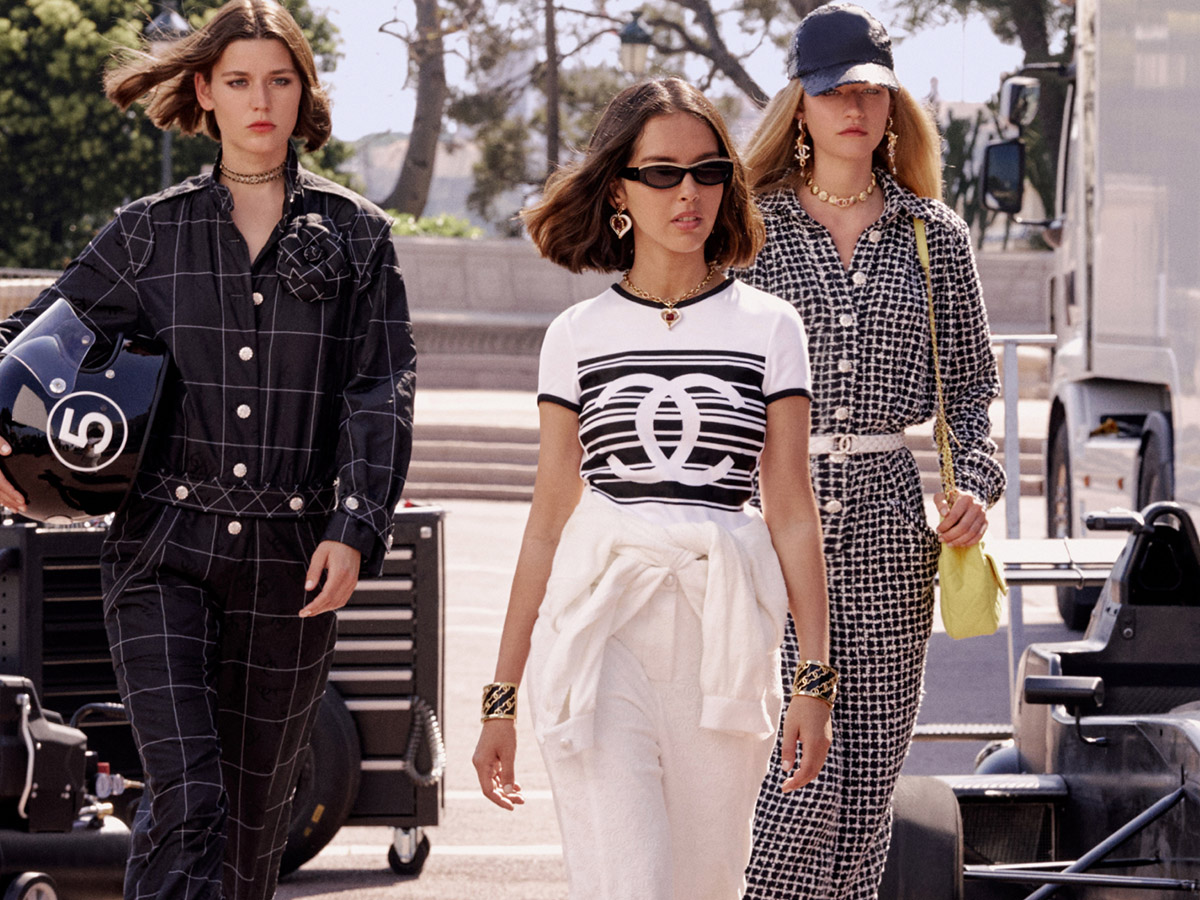
In Monaco, fashion isn’t just a way of dressing – it’s a way of life. The streets are like a perpetual catwalk, with everyone dressed to the nines at all times. Even the police officers look like they’ve stepped out of a fashion magazine.
The annual Monaco Red Cross Ball is the pinnacle of this fashion frenzy. It’s a charity event where the great and the good gather to show off their latest designer gowns and tuxedos, all in the name of helping the less fortunate. It’s heartwarming, really, to see how much the wealthy care about the poor. Just not enough to, you know, pay taxes or anything crazy like that.
Monaco’s culinary scene is a testament to the old adage that money can’t buy taste – but it can certainly buy a lot of truffles and foie gras. The principality is home to several Michelin-starred restaurants, where you can spend more on a single meal than most people earn in a month.
Take Le Louis XV-Alain Ducasse at the Hôtel de Paris, for instance. With three Michelin stars and a wine cellar that’s larger than some London flats, it’s the kind of place where the menu doesn’t have prices. Because if you have to ask, darling, you can’t afford it.
But it’s not all caviar and champagne. For those moments when you’re feeling a bit more… common, there’s always the Monaco McDonald’s. It’s probably the only McDonald’s in the world where you might see someone pull up in a Lamborghini for a Big Mac.
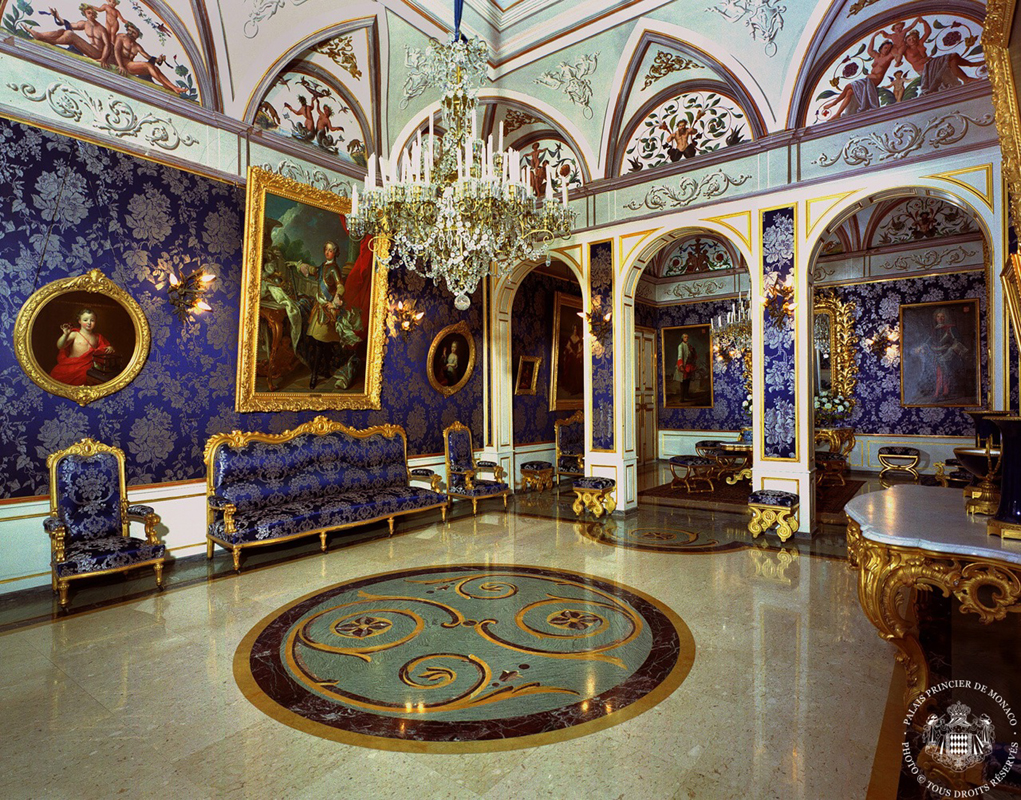
Perched atop “The Rock” (not to be confused with Dwayne Johnson), the Prince’s Palace is a reminder that Monaco is, technically, a monarchy. It’s been the home of the Grimaldi family for centuries, which just goes to show that location really is everything in real estate.
The changing of the guard ceremony, which takes place daily, is a popular tourist attraction. It’s like the one at Buckingham Palace, but with better weather and fewer tourists in Union Jack t-shirts.
The current ruler, Prince Albert II, is known for his efforts to make Monaco more environmentally friendly. It’s a noble goal, even if it does seem a bit like trying to make a Formula 1 race carbon-neutral. But hey, at least he’s trying, which is more than can be said for some of his subjects as they idle their supercars in traffic.
For a country the size of a large shopping mall, Monaco takes education surprisingly seriously. The International School of Monaco is where many of the principality’s young residents get their schooling, preparing them for a life of yacht parties and offshore banking.
The curriculum includes all the usual subjects, plus essential life skills like “How to Look Effortlessly Wealthy” and “Advanced Champagne Saber Techniques”. Okay, I made those last two up, but would you really be surprised?
Despite its reputation for hedonism, Monaco does have a sporty side. The Monte-Carlo Country Club hosts the Rolex Masters tennis tournament each year, attracting top players from around the world. It’s probably the only tennis club where the ball boys wear Armani.
There’s also AS Monaco, the principality’s football team. They play in the French league, because apparently even in sports, Monaco has to be the exception to the rule. The team’s stadium, Stade Louis II, is a feat of engineering, built partly on land reclaimed from the Mediterranean. Because when you’re Monaco, even the sea knows to get out of your way.
Perched on the edge of a cliff (because flat land is for peasants, darling), the Oceanographic Museum is one of Monaco’s most popular attractions. Founded by Prince Albert I in 1910, it’s a temple to all things aquatic, with a particular focus on Mediterranean and tropical marine ecosystems.
The museum’s aquarium is home to over 6,000 specimens, including sharks, sea turtles, and a variety of colorful fish. It’s like Finding Nemo, if Nemo lived in a multimillion-dollar tank and all the other fish wore tiny Rolexes.
The museum also houses the skeleton of a 20-metre long whale, presumably to remind visitors of the only thing in Monaco bigger than the average billionaire’s ego.
Not content with its current size, Monaco has embarked on an ambitious land reclamation project. The plan is to add 60,000 square metres of new land to the principality by 2025. It’s like a very expensive, very slow game of Minecraft.
The new eco-district, named Portier Cove, will feature luxury residences (of course), shops, a park, and a small marina. Because if there’s one thing Monaco needs, it’s more places to park your yacht.
The project is estimated to cost €2 billion, which in Monaco terms is probably considered pocket change. It’s a bold move, expanding into the sea. Then again, when you’re a country that’s already made its fortune from helping people dive into offshore waters, I suppose it’s only fitting.
Monaco is, in many ways, a place out of time and out of touch. It’s a glittering bubble of wealth and privilege, floating serenely on the Mediterranean while the rest of the world grapples with trivialities like climate change, economic inequality, and the price of bread.
For better or worse, Monaco represents a certain kind of aspiration. It’s a place where the champagne never stops flowing, where the cars are always shiny, and where the worries of the outside world seem very far away indeed.
So should you visit? Absolutely. Everyone should experience this monument to excess at least once in their lives. Marvel at the yachts, gawp at the cars, and ponder the philosophical implications of a place where wealth is not just celebrated, but practically deified.
Just remember to bring your platinum credit card, your largest pair of sunglasses, and perhaps a small nugget of self-awareness. In Monaco, you’ll need all three in equal measure.
And who knows? You might find yourself seduced by its peculiar charm, drawn back again and again to this improbable paradise of the privileged. After all, in a world that often seems to have lost its capacity to astonish, Monaco remains defiantly, gloriously, and sometimes troublingly extraordinary.
Just don’t forget your sunscreen. The Mediterranean sun is unforgiving, and in Monaco, even nature knows better than to mess with a good tan.
Discover why luxury collectibles are becoming essential assets for family offices.
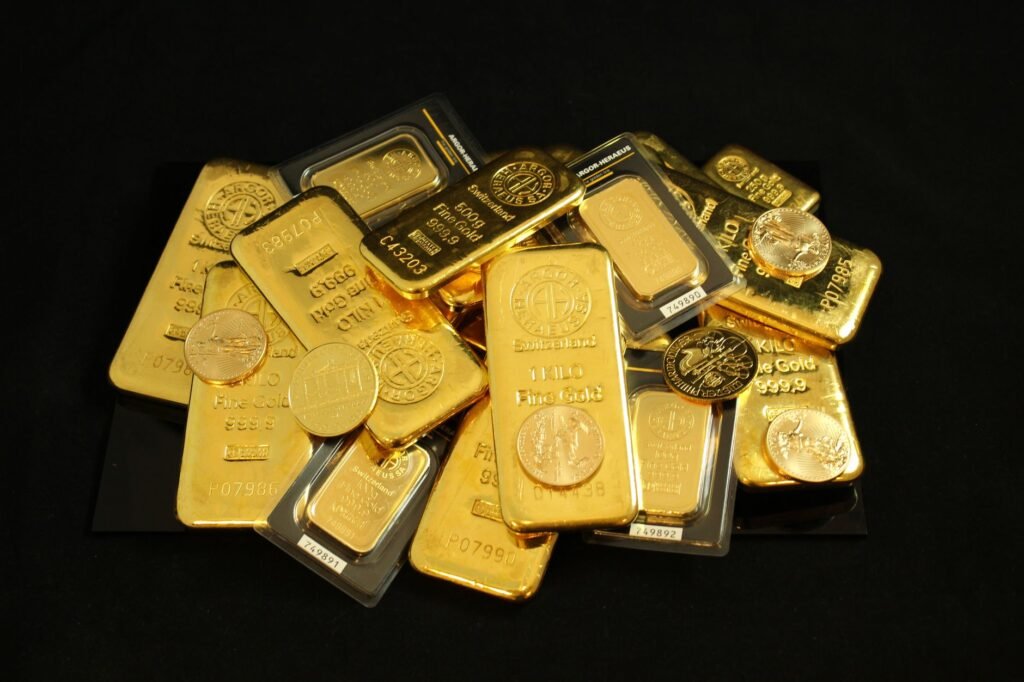
Discover how family offices are redefining luxury asset investments in 2026.
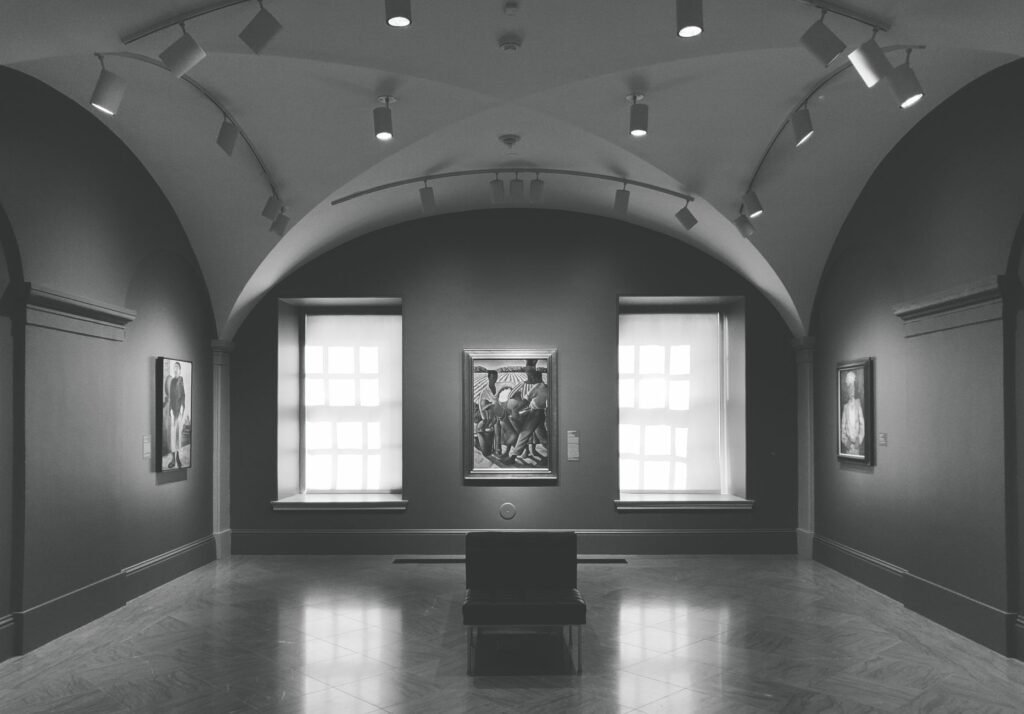
Family offices are redefining fine art ownership, merging investment with passion and heritage.
Protected by reCAPTCHA — the Google Privacy Policy and Terms of Service apply.
Join the discussion
Comments are open to signed-in members. Sign in to add yours, or apply to join the network.
Sign in Apply for FON+