The Allure of Luxury Collectibles: A Family Office Perspective
Discover why luxury collectibles are becoming essential assets for family offices.
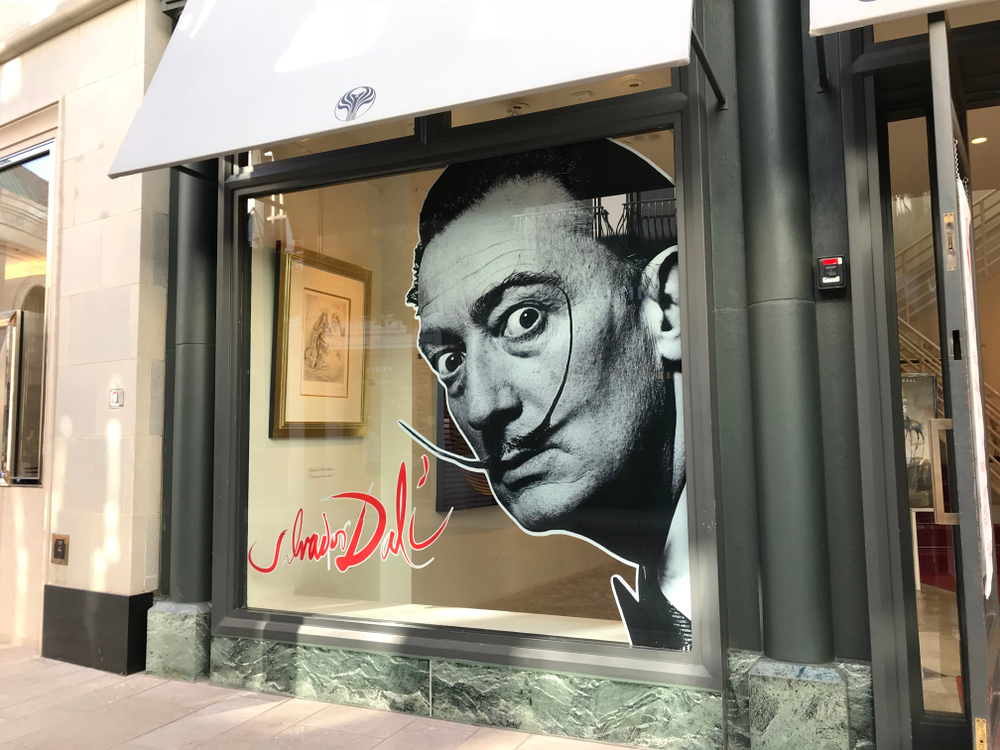
As you explore the world of art, you’ll discover that true creativity often lies beyond the boundaries of convention. The most eccentric artworks challenge your perceptions and invite you to see the world through a different lens. From sculptures made of unconventional materials to installations that defy logic, these unique creations push the limits of imagination. In this article, you’ll embark on a journey to uncover some of the most unusual and thought-provoking art pieces across the globe. Prepare to be amazed, perplexed, and inspired as we guide you through the hidden gems of the art world and reveal where you can experience these extraordinary works firsthand.
The world’s most eccentric art pushes boundaries, challenges conventions, and often leaves viewers bewildered. From surreal paintings to unconventional installations, these works defy easy categorization.
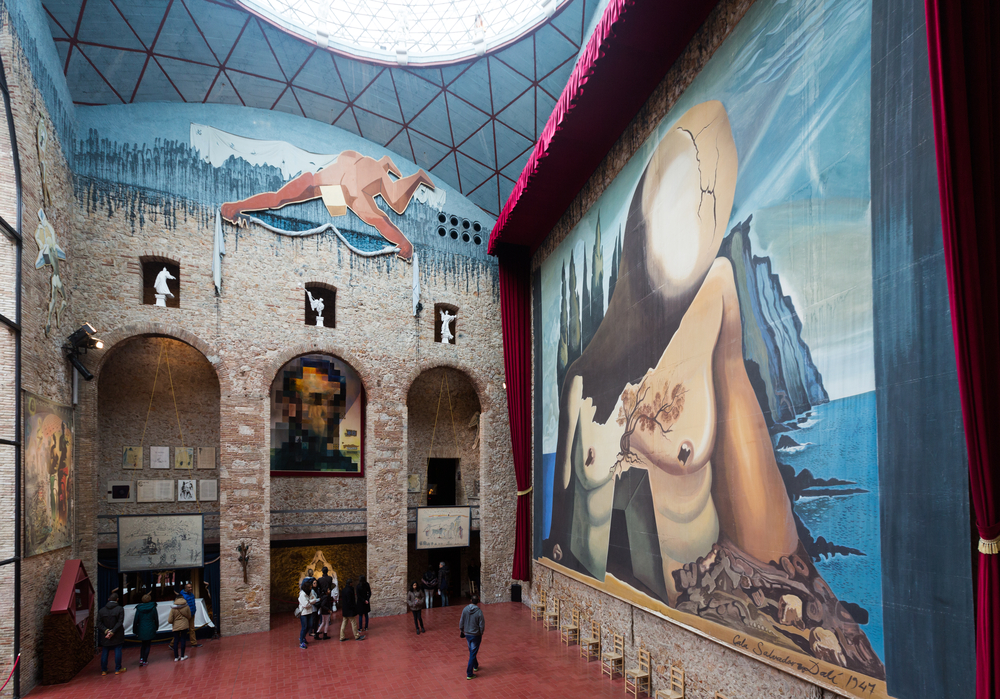
Salvador Dali, the quintessential eccentric artist, created some of the most bizarre artworks in history. His melting clocks in “The Persistence of Memory” epitomize surrealism’s dreamlike qualities. Dali was known for his outrageous public behavior, once attending an art exhibition in a deep-sea diving suit.
Contemporary artists continue to push boundaries with large-scale, interactive works. The Tarot Garden in Tuscany, created by Niki de Saint Phalle, features massive, colorful sculptures inspired by tarot cards. Visitors can explore towering figures like The Empress and The Wheel of Fortune, blurring the line between art and architecture.
Some of the world’s most eccentric art comes alive – literally. The World Living Statues Festival in Arnhem, Netherlands, showcases performers who transform themselves into living sculptures, captivating audiences with their stillness and sudden movements.
The worlds most eccentric art often emerges from the minds of equally unconventional creators. Salvador Dalí, the Spanish surrealist, stands out as a prime example. Known for his melting clocks and dreamlike landscapes, Dalí also practiced unusual methods like taking naps with a metal bowl in his lap to capture fleeting, dream-like ideas.
Niki de Saint Phalle, creator of the whimsical Tarot Garden in Tuscany, transformed an entire landscape into a vibrant, mosaic-clad sculpture park. Her colossal “Nanas” and interactive structures blur the line between art and architecture.
Pablo Picasso, while less overtly eccentric, transformed his living spaces into artistic havens. His Villa La Californie in Cannes became both home and studio, filled with his creations and serving as a backdrop for his ever-evolving artistic vision.
These artists remind us that eccentricity often fuels groundbreaking creativity, pushing the boundaries of what we consider art.
The world’s most eccentric art often challenges traditional notions of aesthetics and meaning. To appreciate these works, it’s crucial to approach them with an open mind. According to the Internet Encyclopedia of Philosophy, interpreting art involves considering various factors, including the artist’s intention, cultural context, and personal perspective. When encountering unusual pieces, take time to observe closely, noting details that might reveal hidden symbolism or concepts.
Many eccentric artworks draw inspiration from Surrealism, a movement that emerged in the 1920s. As explained by Park West Gallery, Surrealist artists aimed to explore the unconscious mind, often creating dreamlike, bizarre imagery. When viewing such pieces, consider the juxtaposition of elements and any potential symbolism. Look for techniques like “automatism” – the spontaneous recording of thoughts and images – which can provide insight into the artist’s creative process.
Understanding the historical and cultural context of eccentric art can greatly enhance appreciation. StudioBinder’s comprehensive guide to art styles highlights how movements like Dadaism, Futurism, and Conceptual Art often challenge conventional aesthetics. By familiarizing yourself with these diverse artistic expressions, you’ll be better equipped to interpret and appreciate the world’s most eccentric art.
Hieronymus Bosch’s “The Garden of Earthly Delights” stands as one of the world’s most eccentric art pieces, captivating viewers with its bizarre and fantastical imagery. This triptych painting, likely commissioned for the Coudenberg Palace, depicts a surreal narrative of creation, sin, and damnation. The inner panels reveal a colorful, dreamlike landscape teeming with odd human activities and strange hybrid creatures, challenging viewers to decipher its complex symbolism.
The painting’s rich symbolism draws from the seven deadly sins, alluding to the consequences of over-indulgence. As viewers move from left to right across the panels, they witness the descent from Eden into a hellish chaos. This progression invites contemplation on human nature and morality, making it a cornerstone of eccentric art that continues to fascinate and perplex audiences centuries after its creation.
Among the world’s most eccentric art, Francisco Goya’s “Saturn Devouring His Son” stands out as a truly haunting masterpiece. Created between 1821-1823, this painting depicts the Roman god Saturn violently consuming one of his children. Goya’s rendition is far more intense and unsettling than previous interpretations, featuring Saturn’s wide-eyed, manic expression and the visceral nature of the act.
This disturbing work is part of Goya’s “Black Paintings” series, painted directly on the walls of his home. Art historians have interpreted it as an allegory for the Spanish government’s oppression of its citizens, with Saturn representing the state devouring its own people. The painting also serves as a broader commentary on humanity’s tendency to destroy others out of fear, reflecting Goya’s dark worldview shaped by the tumultuous events in Spain during that period.
Today, this iconic piece of the world’s most eccentric art can be viewed at the Museo del Prado in Madrid, Spain. Art enthusiasts and those fascinated by the darker aspects of human nature will find this painting a compelling and thought-provoking experience.
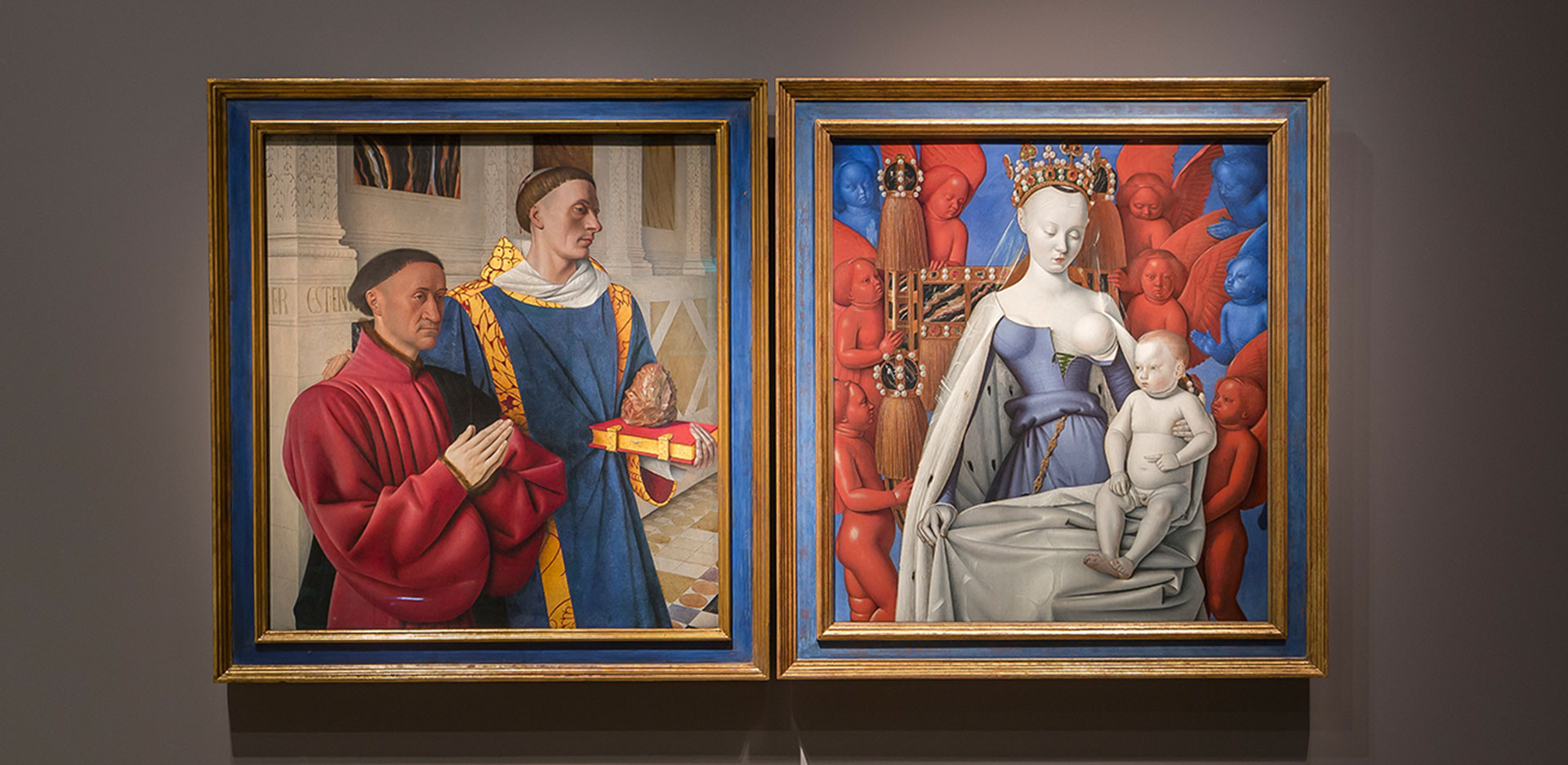
: A Masterpiece of Eccentric Renaissance Art
The Melun Diptych, created by French artist Jean Fouquet around 1452, stands as one of the world’s most eccentric art pieces from the Renaissance era. This two-panel painting, originally housed in the Collegiate Church of Notre-Dame in Melun, France, captivates viewers with its unique blend of realism and otherworldly elements.
The diptych’s right panel depicts the Virgin and Child surrounded by cherubim, with the Virgin believed to be an idealized portrait of Agnès Sorel, King Charles VII’s mistress. The left panel showcases Étienne Chevalier, the king’s treasurer, kneeling beside his patron saint, St. Stephen. Intriguingly, St. Stephen holds a book balancing an oddly shaped stone, recently identified as a Paleolithic handaxe tool, adding another layer of eccentricity to this remarkable work.
Today, art enthusiasts can experience the world’s most eccentric art by visiting the separated panels in different locations. The right panel resides in the Royal Museum of Fine Arts in Antwerp, Belgium, while the left panel is housed in the Staatliche Museen in Berlin, Germany. This geographical division only adds to the mystique surrounding this extraordinary masterpiece.
The worlds most eccentric art experiences often blend creativity with unconventional settings. For example, the Dark MOFO festival in Tasmania features controversial performances and a nude solstice swim. In Italy, the Volcano Extravaganza sets art installations against an active volcano backdrop. For sand enthusiasts, the American Sand Sculpting Championship in Florida showcases intricate temporary creations.
Eccentric public art dots cityscapes worldwide. In Chicago, Anish Kapoor’s reflective “Cloud Gate” (nicknamed “The Bean”) warps viewers’ perceptions. Barcelona hosts a surreal sculpture of Formula 1 driver Ayrton Senna, while Marseille features Bruno Catalano’s “Les Voyageurs” – incomplete human figures evoking the nature of travel. For a truly offbeat experience, visit the Parikkala Sculpture Park in Finland, home to over 500 bizarre statues created by a reclusive artist.
As you’ve discovered, the world of eccentric art is vast and wonderfully strange. From giant inflatable rabbits to underwater museums, these unconventional creations challenge our perceptions and spark imagination. By seeking out these unique works, you open yourself to new perspectives and experiences that traditional art may not provide. Whether you choose to visit a remote desert installation or explore an urban street art scene, remember that embracing the unusual can be profoundly rewarding. Let the eccentric art you encounter inspire your own creativity and broaden your artistic horizons. The next time you travel, consider venturing off the beaten path to discover the extraordinary – you never know what peculiar masterpieces await.
Discover why luxury collectibles are becoming essential assets for family offices.
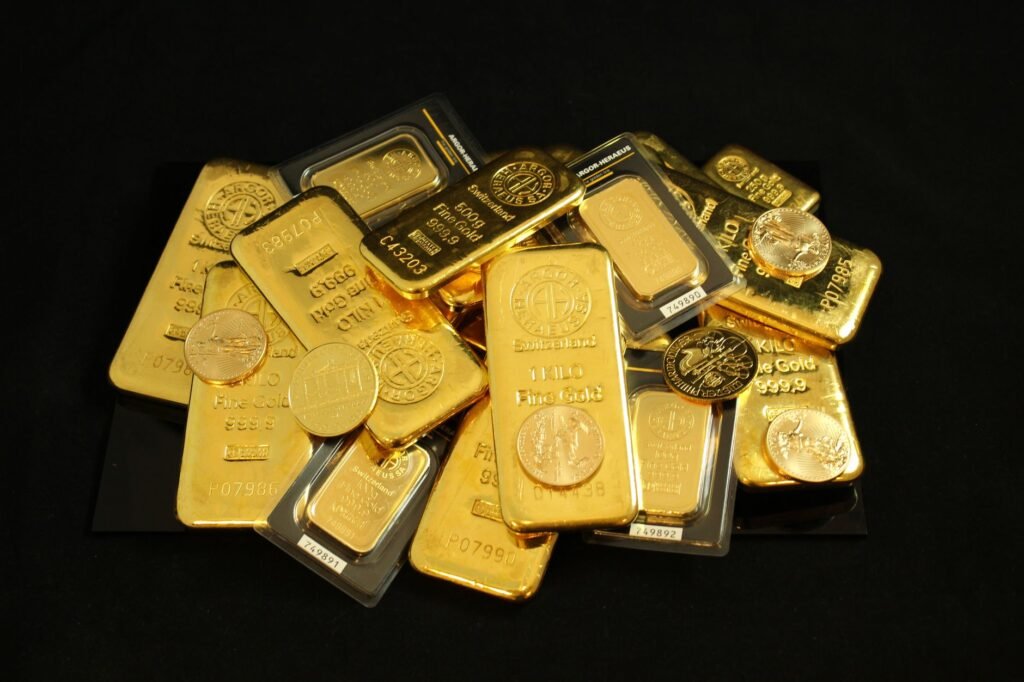
Discover how family offices are redefining luxury asset investments in 2026.
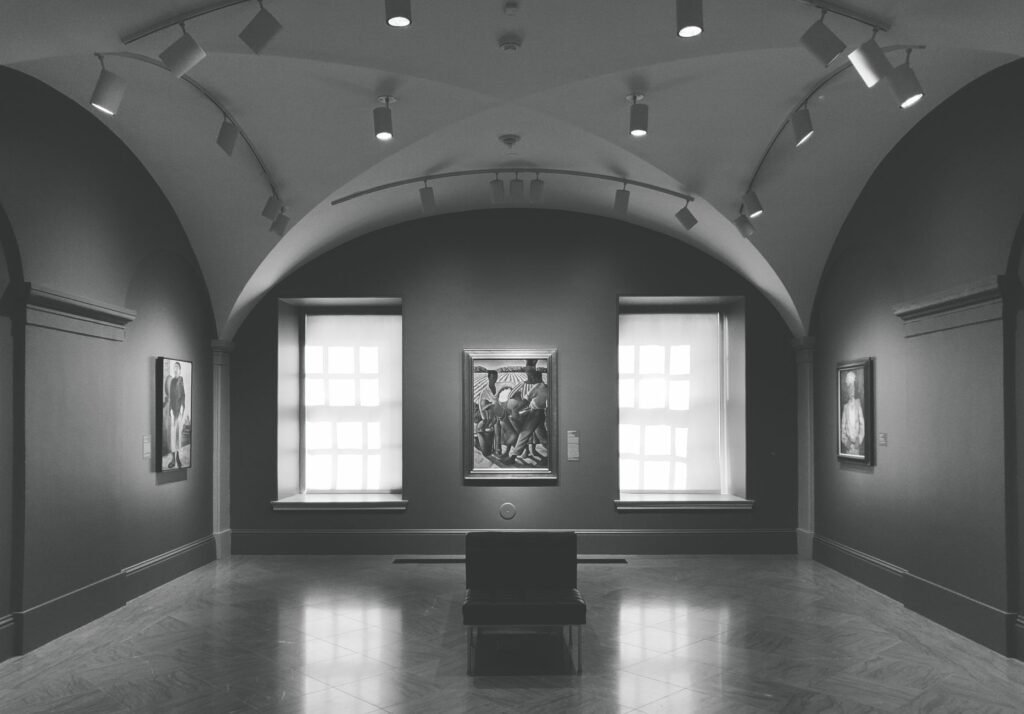
Family offices are redefining fine art ownership, merging investment with passion and heritage.
Protected by reCAPTCHA — the Google Privacy Policy and Terms of Service apply.
Join the discussion
Comments are open to signed-in members. Sign in to add yours, or apply to join the network.
Sign in Apply for FON+