Direct Investment Trends Shaping Family Office Strategies
Explore how direct investment trends are transforming family office strategies in 2026, driving flexibility and innovation in capital allocation.

The Middle East is undergoing a profound transformation, pivoting from its traditional hydrocarbon-based economy towards becoming a global innovation powerhouse. This comprehensive analysis explores how various cities and regions across the Middle East are establishing themselves as formidable technology and innovation hubs, examining the strategies, challenges, and opportunities that characterise this evolution.
The transition from oil dependency to knowledge-based economies represents one of the most significant strategic shifts in the Middle East’s modern history. Saudi Arabia’s Vision 2030, the UAE’s Centennial 2071, and Qatar’s National Vision 2030 exemplify the region’s commitment to diversification and innovation.
Ahmed Al-Nasser, Chief Innovation Officer at Dubai Future Foundation, notes: “We’re witnessing a fundamental reimagining of what Middle Eastern economies can become. The focus has shifted from resource extraction to resource creation—intellectual capital, technological innovation, and sustainable development.”
Dubai’s journey from a pearl-diving settlement to a global innovation hub offers valuable insights for other regional centres. The city’s success stems from several key factors:
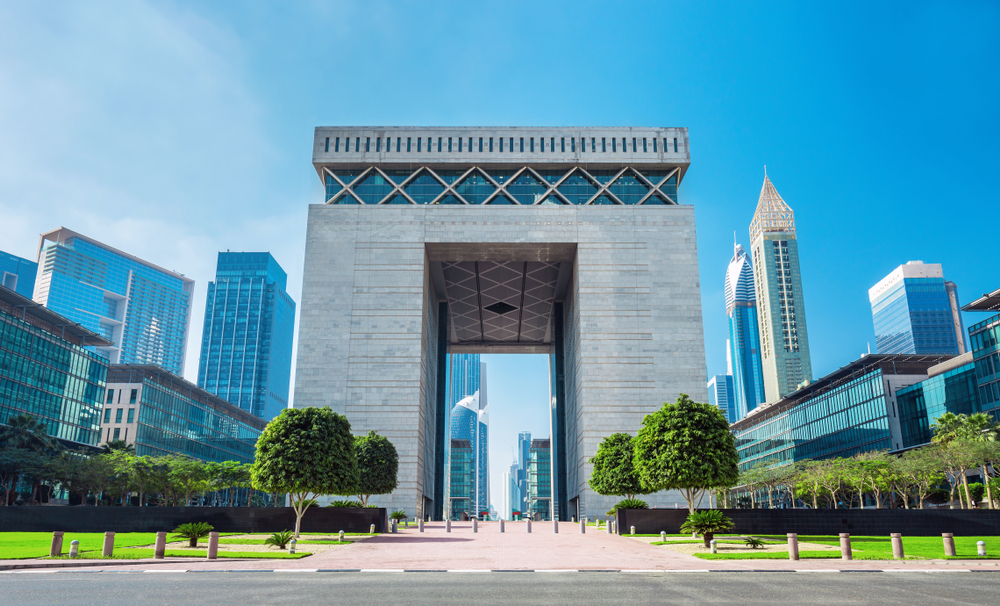
The Dubai International Financial Centre (DIFC) Innovation Hub has become the largest cluster of FinTech and innovation companies in the Middle East, Africa, and South Asia region. Housing over 500 firms, the hub has created a unique ecosystem where established financial institutions collaborate with startups and scale-ups.
Maria Thompson, Managing Director of FinTech Ventures DMCC, shares her perspective: “Dubai’s strength lies in its ability to create an environment where innovation naturally flourishes. The regulatory framework, infrastructure, and government support combine to create perfect conditions for technological advancement.”
Abu Dhabi’s Hub71 has emerged as a compelling case study in building a technology ecosystem from the ground up. The hub’s success stems from its comprehensive approach to supporting startups:
The Ghadan 21 accelerator programme has invested AED 50 billion into the ecosystem, focusing on supporting early-stage companies through equity-free funding and market access programmes. Hub71’s partnership with Microsoft, SoftBank Vision Fund, and Abu Dhabi Investment Office has created a powerful network effect, attracting international talent and capital.
NEOM represents Saudi Arabia’s boldest bet on the future of innovation. This $500 billion mega-project is designed to be a living laboratory for future technologies:
The project’s cognitive metropolis, ‘The Line’, showcases how artificial intelligence, robotics, and sustainable technologies can be integrated into urban planning and daily life. Dr Saleh Al-Rasheed, NEOM’s Chief Technology Officer, explains: “NEOM isn’t just about building a city; it’s about creating an environment where the technologies of tomorrow can be developed, tested, and scaled today.”
Qatar’s approach to innovation centres on building human capital through education and research. Education City, spanning 12 square kilometres, hosts branch campuses of leading international universities and research institutions:
The Qatar Science & Technology Park (QSTP) has become a crucial bridge between academic research and commercial application. Through its various programmes, QSTP has supported over 50 startups and attracted major international technology companies to establish research and development centres in Qatar.
Bahrain’s strategy demonstrates how smaller nations can compete by focusing on specific sectors. Bahrain FinTech Bay has established itself as a leading FinTech hub through:
– A regulatory sandbox that allows FinTech firms to test innovative products
– Partnership programmes with global financial institutions
– Specialised accelerator programmes focusing on Islamic FinTech
The most successful hubs benefit from strong government backing, both in terms of funding and regulatory support. This includes simplified business setup processes, tax incentives, and long-term strategic planning.
Successful hubs have implemented comprehensive strategies to develop local talent while attracting international expertise. This includes partnerships with leading universities, professional development programmes, and attractive visa schemes for skilled professionals.
World-class physical and digital infrastructure has proven essential. This includes high-speed internet connectivity, smart city initiatives, and sustainable transport systems.
Kuwait’s experience offers valuable lessons in overcoming challenges in building an innovation ecosystem. Despite initial setbacks, the Kuwait National Fund for SME Development has successfully:
Established partnerships with international accelerators and incubators
Created specialised programmes for tech startups
Developed mentor networks connecting local entrepreneurs with global experts
Dr Fatima Al-Salem, Director of Innovation at Kuwait University, reflects: “Our journey shows that building an innovation ecosystem requires patience and persistence. Success comes from creating the right conditions and supporting local talent while remaining open to international collaboration.”
The future of Middle Eastern innovation hubs appears promising, with several trends likely to shape their development:

The region’s harsh climate and environmental challenges are driving innovation in sustainable technologies, particularly in areas such as water conservation, renewable energy, and desert agriculture.
The COVID-19 pandemic has accelerated the adoption of digital health solutions, creating opportunities for innovation in telemedicine, health monitoring, and personalised medicine.
The region’s numerous smart city initiatives provide testing grounds for innovations in urban technology, from autonomous vehicles to AI-powered infrastructure management.
For family offices considering involvement in Middle Eastern innovation hubs, several strategic approaches merit consideration:
Direct Investment Opportunities
Many hubs offer co-investment opportunities alongside government-backed funds, providing access to vetted startups while mitigating risks.
Innovation Partnership Programmes
Family offices can participate in innovation programmes as corporate partners, gaining early access to emerging technologies and investment opportunities.
Real Estate Investment
The development of innovation districts creates opportunities for strategic real estate investment in commercial and residential properties.
The transformation of Middle Eastern economies from oil dependency to innovation hubs represents one of the most significant economic shifts of the 21st century. While challenges remain, the region’s commitment to innovation, backed by substantial resources and strategic vision, positions it well for success in the global knowledge economy.
The diversity of approaches—from Dubai’s comprehensive ecosystem to Bahrain’s focused strategy—demonstrates that there is no single path to building successful innovation hubs. However, common factors such as government support, talent development, and world-class infrastructure emerge as crucial elements for success.
For family offices and international investors, the continued development of Middle Eastern innovation hubs presents both opportunities and challenges. Success will require careful analysis of specific opportunities while maintaining awareness of the broader regional context and development trajectory.

Explore how direct investment trends are transforming family office strategies in 2026, driving flexibility and innovation in capital allocation.

Explore how flexibility in family office investing can enhance capital allocation strategies and lead to better opportunities.

Explore how the permanent $15 million estate tax exemption impacts family offices and wealth planning strategies.
Protected by reCAPTCHA — the Google Privacy Policy and Terms of Service apply.
Join the discussion
Comments are open to signed-in members. Sign in to add yours, or apply to join the network.
Sign in Apply for FON+