Political Risks Facing Family Offices in 2026
Political risks significantly shape family office strategies in 2026.
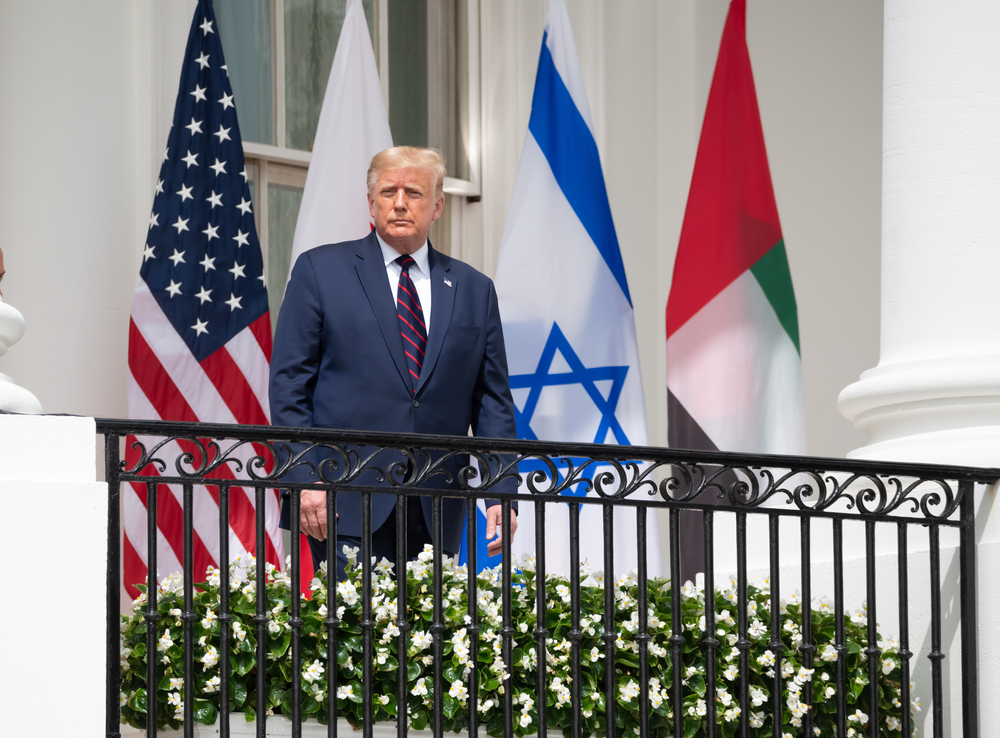
Donald Trump’s relationship with Israel has been a cornerstone of his political legacy, earning him considerable support among many Israelis. His policies during his presidency were widely seen as pro-Israel, fostering a deep bond between the former U.S. president and the Israeli public. Whether through historic diplomatic achievements, unwavering support for Israel’s sovereignty, or alignment on regional security matters, Trump’s actions have left a lasting impact on Israeli society.
This article explores why Israelis celebrate Trump’s victories, including his diplomatic initiatives, policies on Jerusalem, and his broader impact on U.S.-Israel relations.
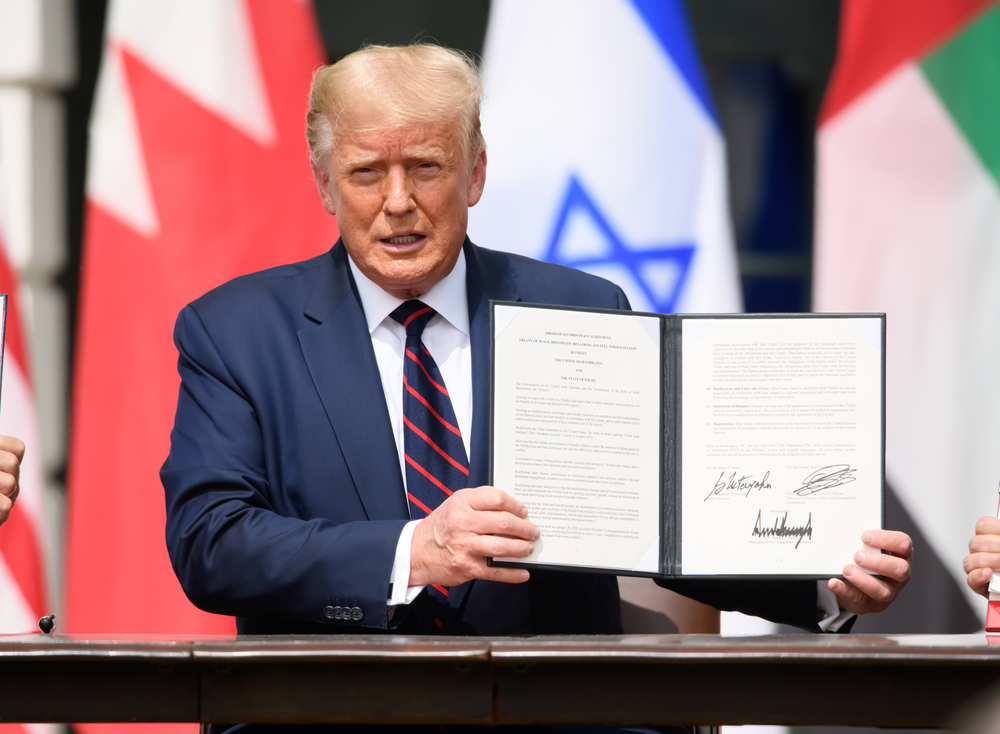
One of Trump’s most significant actions during his presidency was the recognition of Jerusalem as the capital of Israel in December 2017. This decision fulfilled a long-standing promise made by previous U.S. administrations but never acted upon.
For Israelis, Jerusalem holds profound historical and religious significance. Trump’s recognition of the city as Israel’s capital, followed by the relocation of the U.S. Embassy from Tel Aviv to Jerusalem, was seen as an acknowledgment of Israel’s sovereignty and historical ties to the city.
While the move drew criticism from some international leaders, it was celebrated in Israel as a bold gesture that challenged decades of hesitation by global powers. Israelis viewed this decision as a testament to Trump’s willingness to prioritize their interests over international pushback.
The embassy move was met with widespread celebration in Israel, with ceremonies, parades, and public displays of gratitude. Trump’s popularity among Israelis soared, and many credited him with strengthening U.S.-Israel ties in unprecedented ways.
Another monumental achievement during Trump’s presidency was the negotiation of the *Abraham Accords*, a series of agreements that normalized relations between Israel and several Arab nations, including the United Arab Emirates, Bahrain, Sudan, and Morocco.
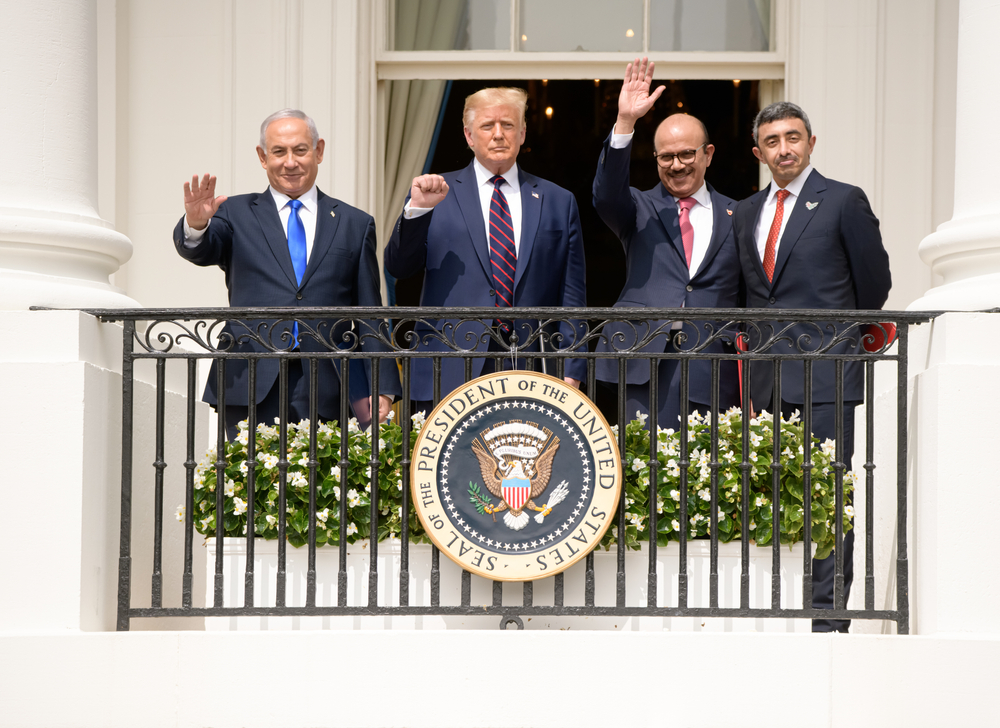
For decades, Israel had limited diplomatic relations with its Arab neighbors. The Abraham Accords broke this isolation, opening the door to trade, tourism, and cultural exchanges. Israelis celebrated these agreements as a milestone in regional peace and cooperation.
The normalization agreements brought significant economic benefits. Trade deals, investments, and partnerships in technology, agriculture, and renewable energy emerged as direct outcomes of the accords. For Israelis, this represented a new chapter of prosperity and regional integration.
Many Israelis attribute the success of the Abraham Accords to Trump’s leadership and his administration’s approach to Middle Eastern diplomacy. His direct engagement with Arab leaders and insistence on prioritizing mutual interests over longstanding animosities were seen as key factors in these breakthroughs.
Trump consistently demonstrated support for Israel’s sovereignty, often in ways that deviated from traditional U.S. foreign policy stances.
In 2019, Trump officially recognized Israeli sovereignty over the Golan Heights, a strategic plateau captured from Syria during the Six-Day War in 1967. This move was celebrated by Israelis, particularly those living in the region, as it solidified their security and reinforced Israel’s territorial claims.
Trump’s administration shifted U.S. policy on Israeli settlements in the West Bank, declaring them not inherently inconsistent with international law. This stance was welcomed by many Israelis who viewed it as validation of their historical and religious connection to the land.
Israelis value strong security partnerships, and Trump’s presidency reinforced the U.S.-Israel defense alliance.
While military aid to Israel has been a longstanding bipartisan commitment in the U.S., Trump’s administration went further by ensuring that Israel maintained its qualitative military edge in the region. This included providing advanced weaponry and technology.
Trump’s withdrawal from the *Joint Comprehensive Plan of Action (JCPOA)*, commonly known as the Iran nuclear deal, was celebrated by many Israelis. The deal was widely criticized in Israel as insufficient to prevent Iran from developing nuclear weapons. Trump’s decision to reimpose sanctions on Iran and adopt a “maximum pressure” campaign aligned with Israel’s security concerns.
Trump’s policies toward combating terrorism also resonated with Israelis. His administration targeted funding networks of groups like Hezbollah and Hamas, further enhancing Israel’s security.
Many Israelis appreciate Trump’s alignment with their cultural, religious, and ideological values.
Trump’s strong relationship with evangelical Christians in the U.S. paralleled his support among Israel’s religious communities. His emphasis on Judeo-Christian values and his vocal defense of religious freedom resonated deeply with these groups.
Trump’s America First rhetoric, which emphasized national sovereignty and self-determination, found echoes in Israeli nationalism. Many Israelis saw parallels between his policies and their own emphasis on preserving Israel’s identity as a Jewish state.
Trump’s administration took a strong stand against perceived anti-Israel bias in international organizations, particularly the United Nations.
The U.S. cut funding to the United Nations Relief and Works Agency (UNRWA), which Trump’s administration criticized for perpetuating the Israeli-Palestinian conflict. Israelis viewed this move as a necessary step to challenge the international community’s approach to the conflict.
The Trump administration consistently defended Israel in UN forums, vetoing resolutions critical of the country and withdrawing from the UN Human Rights Council, citing its disproportionate focus on Israel.
Trump’s personal ties to Israel and his visible affinity for the country further endeared him to the Israeli public.
Key members of Trump’s administration, including Jared Kushner and David Friedman, were staunchly pro-Israel. Their close relationships with Israeli leaders and understanding of the country’s challenges reinforced the perception of Trump as a true ally.
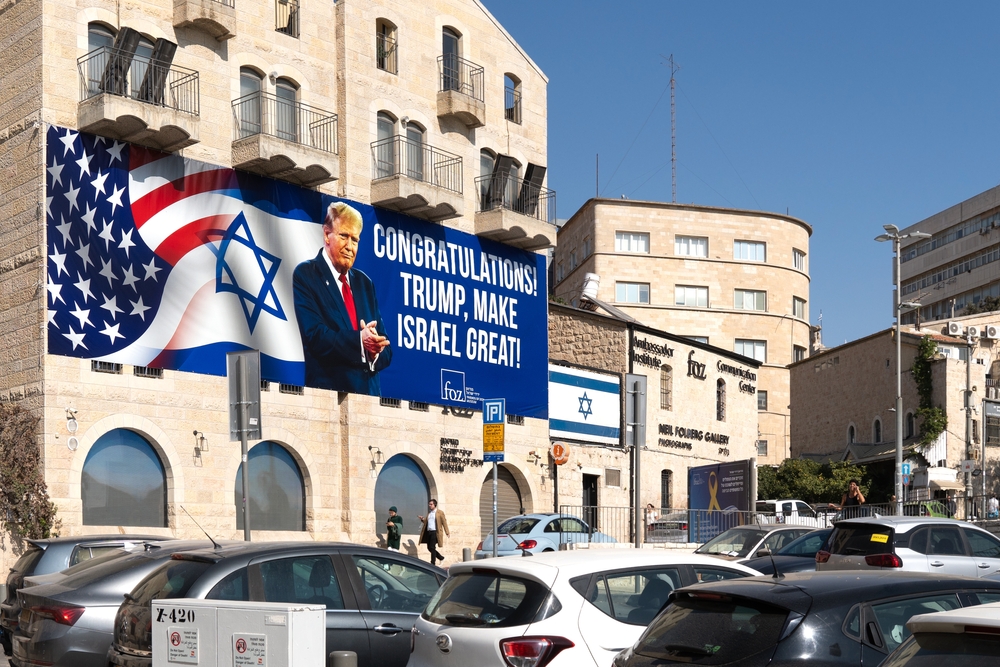
In recognition of his support, several places in Israel have been named after Trump, including a settlement in the Golan Heights and streets in major cities. These gestures reflect the deep appreciation many Israelis feel for his contributions.
Many Israelis also celebrate Trump’s victories out of concern for alternative U.S. leadership that might take a less favorable approach toward Israel.
Policies like reentering the Iran nuclear deal or pressuring Israel to make concessions in peace negotiations are viewed with apprehension. Trump’s consistent backing of Israel provides a sense of security amid these uncertainties.
While U.S.-Israel relations have historically enjoyed bipartisan support, Trump’s presidency reassured Israelis that the partnership remained a priority despite growing political divisions in the U.S.
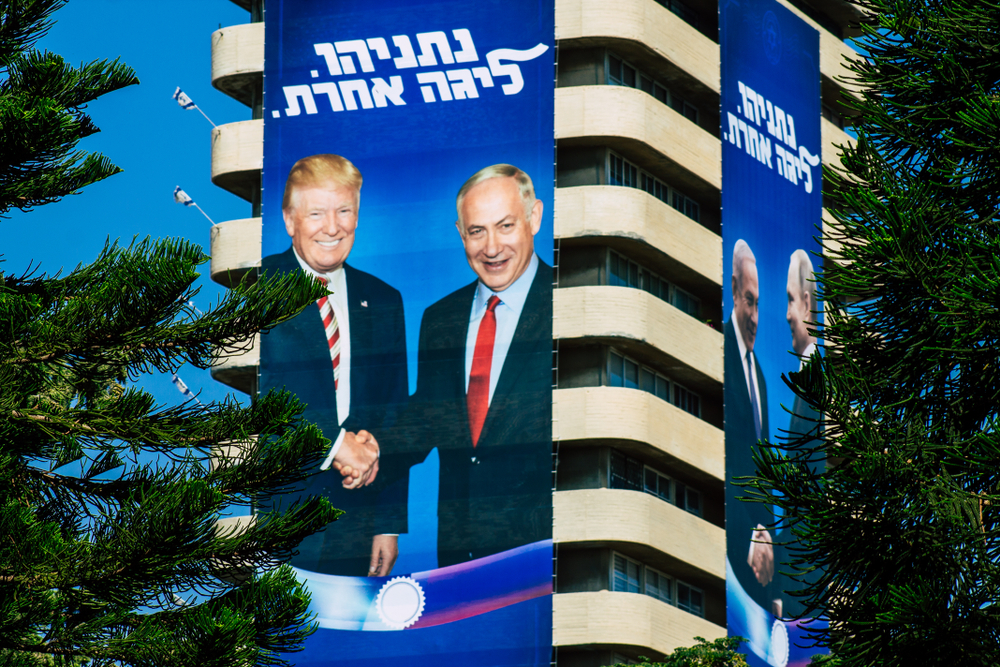
For many Israelis, Donald Trump represents a leader who consistently prioritized their country’s interests on the global stage. From recognizing Jerusalem as Israel’s capital to brokering historic peace agreements and supporting Israel’s sovereignty, Trump’s actions have left an indelible mark on U.S.-Israel relations.
While opinions about Trump vary within Israel, his victories—both political and diplomatic—are widely celebrated by those who view him as a steadfast ally and advocate for the Jewish state. As Trump continues to shape his political legacy, many Israelis remain hopeful for continued collaboration and support.
For insights on global political dynamics and their impact on Israel and the broader Middle East, visit [www.fonmc.com]
Political risks significantly shape family office strategies in 2026.
Political influence is reshaping family office strategies in 2026. Explore current dynamics and implications for investment choices.
Political dynamics in Trump's second term are reshaping family office investment strategies as wealth strategies adapt.
Protected by reCAPTCHA — the Google Privacy Policy and Terms of Service apply.
Join the discussion
Comments are open to signed-in members. Sign in to add yours, or apply to join the network.
Sign in Apply for FON+