The Allure of Luxury Collectibles: A Family Office Perspective
Discover why luxury collectibles are becoming essential assets for family offices.

The rise of non-alcoholic beverages is no longer a niche wellness trend—it is one of the most significant structural shifts in the global beverage industry. What began as a fringe category of alcohol substitutes has evolved into a multi-billion-dollar market attracting institutional capital, strategic acquirers, and increasingly, family offices seeking exposure to changing consumer behavior. The “sober curious” movement, combined with health optimization, premiumization, and generational shifts, has created a powerful tailwind that is reshaping how—and what—the world drinks.
At the highest level, the growth of non-alcoholic beverages is being driven by a profound cultural shift. Consumers—particularly Millennials and Gen Z—are drinking less alcohol than previous generations. In fact, alcohol consumption in the U.S. is at one of its lowest levels in decades, with younger consumers leading the decline.
Instead, these consumers are gravitating toward beverages that offer functionality, wellness benefits, and social utility without the downsides of alcohol. This includes everything from non-alcoholic beers and spirits to adaptogenic drinks, nootropic “social tonics,” and premium sparkling teas.
The data reinforces the narrative. Non-alcoholic beverage companies have significantly outperformed traditional alcohol producers, with a basket of non-alcoholic stocks returning 69% over five years versus a 26% decline for alcohol companies.
This is not just a demand story—it is a capital markets story. Investors are reallocating capital accordingly.
One of the more interesting dynamics in the category is that non-alcoholic beverages are not competing on price—they are competing on experience. Consumers are often willing to pay equal or higher prices for non-alcoholic alternatives, especially when positioned as premium or functional products.
This creates a compelling margin profile. Unlike traditional alcohol, which is heavily taxed, non-alcoholic beverages often benefit from lower tax burdens while maintaining premium pricing. The result: higher gross margins and strong unit economics.
In many ways, the category mirrors the early days of organic food or plant-based meat—initially niche, then premium, and ultimately mainstream.
The category has expanded far beyond non-alcoholic beer, which still dominates volume. Today’s market includes:
Startups like Hiyo, for example, are positioning themselves not just as alcohol alternatives but as “mood-enhancing” beverages designed to replicate the social experience of drinking.
This innovation layer is critical. It transforms the category from a substitute product into a new category entirely—one that sits at the intersection of wellness, socialization, and lifestyle branding.
Large strategic players were the first to validate the space. Companies like Diageo, Rémy Cointreau, and A.G. Barr have aggressively acquired or invested in non-alcoholic brands, signaling long-term conviction.
But increasingly, family offices are entering the space—quietly, selectively, and often at earlier stages.
Family offices are backing early-stage non-alcoholic beverage startups, particularly those with strong branding and functional positioning. These investments are often structured as venture or growth equity, targeting brands that can scale into premium lifestyle platforms.
Examples include:
These companies represent the “next generation” of beverage brands—digitally native, wellness-oriented, and community-driven.
Family offices are increasingly co-investing alongside major beverage companies. This allows them to leverage distribution, branding, and exit pathways while maintaining exposure to high-growth assets.
Many family offices are not viewing non-alcoholic beverages as a standalone category but as part of a broader thematic allocation toward wellness, longevity, and consumer health.
This includes investments in:
Non-alcoholic beverages sit squarely in this ecosystem.
Family offices are uniquely positioned to capitalize on this trend for several reasons:
Despite the excitement, the category is not without risks. Some brands are scaling rapidly but burning significant cash, highlighting the challenges of distribution, marketing, and consumer adoption. Additionally, taste parity with alcoholic beverages remains inconsistent, and not all consumers are convinced by premium pricing.
This creates a bifurcation: a handful of breakout brands will achieve scale, while many others will struggle to differentiate.
Looking ahead, the non-alcoholic beverage market is expected to continue its rapid growth, with projections reaching billions in market size over the next few years.
More importantly, the category is becoming embedded in social culture. Bars, restaurants, and even music festivals are integrating non-alcoholic options as standard offerings—not alternatives. This normalization is key. Once a behavior becomes socially accepted—and even aspirational—it tends to stick.
“The rise of non-alcoholic beverages is not just about what people are drinking—it’s about how they want to live. Family offices are recognizing that this is a generational shift in consumption. The smartest capital is moving early into brands that combine wellness, community, and premium experience—because that’s where the next billion-dollar beverage companies will be built.”
— Andrew Schneider, Family Office Networks
The non-alcoholic beverage boom represents a rare convergence of cultural change, economic opportunity, and investment momentum. As consumers redefine their relationship with alcohol, capital is following closely behind.
For family offices, the opportunity is clear: this is not just a beverage trend—it is a platform shift in consumer behavior. And like all platform shifts, the winners will be those who invest early, partner strategically, and understand that the future of drinking may not include alcohol at all—but it will absolutely include innovation.
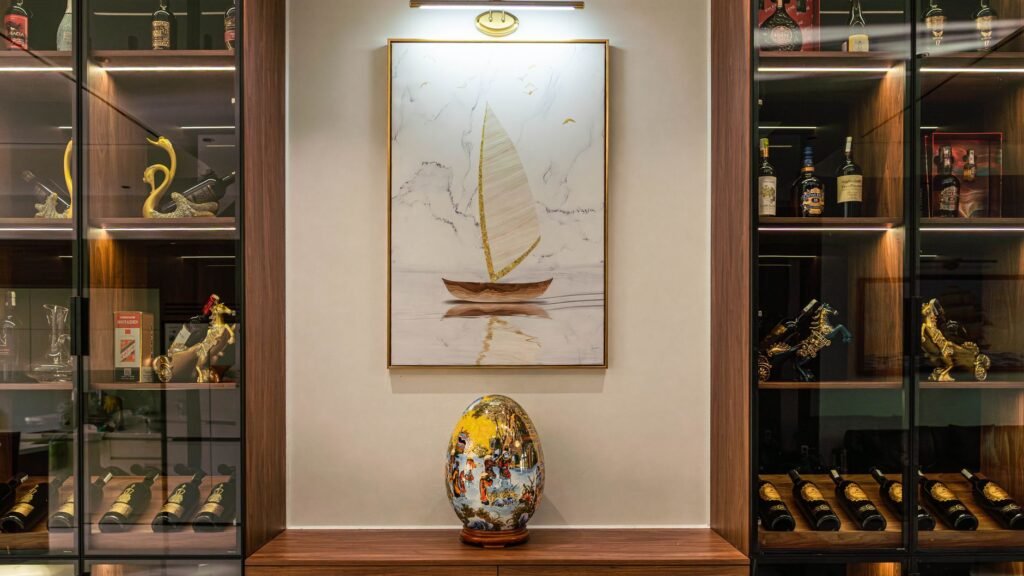
Discover why luxury collectibles are becoming essential assets for family offices.

Discover how family offices are redefining luxury asset investments in 2026.

Family offices are redefining fine art ownership, merging investment with passion and heritage.
Protected by reCAPTCHA — the Google Privacy Policy and Terms of Service apply.
Join the discussion
Comments are open to signed-in members. Sign in to add yours, or apply to join the network.
Sign in Apply for FON+