The Evolving Landscape of Political Influence on Family Offices
Political influence is reshaping family office strategies in 2026. Explore current dynamics and implications for investment choices.

Family offices are at a crossroads, grappling with shifting political landscapes that influence investment strategies and operational frameworks. As regulatory scrutiny increases, these entities must adapt to ensure sustainability and growth.
The political environment is a critical backdrop against which family offices operate. Recent developments, such as the increasing regulatory scrutiny aimed at wealth management practices, signal a need for enhanced governance and compliance frameworks. Family offices must identify how these changes affect their investment strategies and reputation management.
With the rise of populism and changing political ideologies, family offices are re-evaluating their roles in influencing policy discussions. Many principals recognize the importance of proactively engaging with legislators to advocate for favorable conditions for their operations. This engagement includes addressing tax policies and regulatory frameworks that could impact their investment portfolios.
In recent months, discussions around wealth inequality and corporate taxation have intensified. The Biden administration has proposed various reforms aimed at higher tax rates for ultra-high-net-worth individuals and corporations. This evolving landscape presents challenges for family offices, which must navigate potential increases in their tax liabilities.
Furthermore, recent reporting from Family Office Networks highlighted a growing concern among legislators regarding the transparency of family offices. As scrutiny increases, family offices are urged to adopt more transparent practices and better governance structures.
Engagement in political advocacy is becoming a priority for many family offices. The majority of principals we speak with believe that active participation in policy discussions is essential for protecting their interests and influencing favorable outcomes.

To effectively navigate this political landscape, family offices should consider several strategies:
Family offices must prioritize proactive engagement to navigate the complexities of the evolving political landscape effectively.
— Andrew Schneider, Founder & CEO, Family Office Networks
These strategies can help family offices not only comply with regulations but also position themselves as thought leaders in the wealth management space. By actively engaging in discussions about policy, family offices can advocate for regulations that support their operational models.
Family offices worldwide are experiencing similar pressures. In Europe, for example, as reported by the South China Morning Post, many family offices are relocating or expanding operations to jurisdictions offering more favorable regulatory environments. This trend highlights the importance of global considerations in navigating political landscapes.
As they evaluate their international strategies, family offices should consider the implications of political stability and regulatory environments in their target markets. This assessment is particularly relevant as some regions experience political upheaval, which can create both risks and opportunities for investment.

Philanthropic efforts are increasingly intertwined with political influence. Family offices are leveraging their charitable initiatives to shape public policy and support causes aligned with their values. By engaging in strategic philanthropy, family offices can create positive social impact while enhancing their reputation among stakeholders.
Next-generation leaders within family offices are particularly focused on philanthropy as a means to influence societal change. Many are keen to address pressing issues such as climate change, education reform, and social justice. This shift reflects a broader trend where younger family members are advocating for purpose-driven investment strategies that align with their philanthropic goals.
As family offices embrace these philanthropic initiatives, they can also enhance their public relations efforts, demonstrating a commitment to social responsibility that resonates with both the public and policymakers.
The future of family offices will undoubtedly be shaped by ongoing political developments. As new regulations emerge, family offices must remain agile, adapting their strategies to align with the changing landscape. The increasing emphasis on transparency and accountability will require family offices to prioritize governance and compliance.
Moreover, as the political climate continues to evolve, family offices should consider building alliances with other stakeholders, including non-profits and advocacy groups. These partnerships can amplify their voices in policy discussions and provide a platform for collaborative action on shared interests.
As family offices face the dual pressures of regulatory scrutiny and the demands for social responsibility, those that proactively engage in the political landscape will likely emerge stronger and more resilient. The sharpest offices are already recognizing the need for strategic advocacy, and as the political environment changes, they will be better positioned to adapt and thrive.

Political influence is reshaping family office strategies in 2026. Explore current dynamics and implications for investment choices.
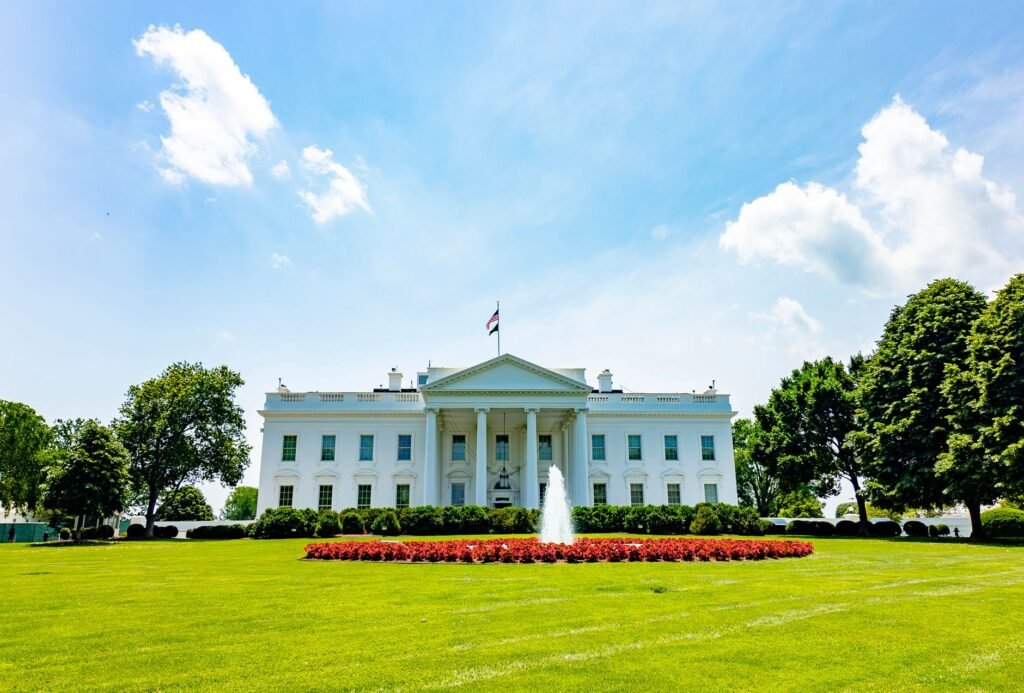
Political dynamics in Trump's second term are reshaping family office investment strategies as wealth strategies adapt.

Political influence is reshaping family office investment strategies in 2026. Here's what you need to know.
Protected by reCAPTCHA — the Google Privacy Policy and Terms of Service apply.
Join the discussion
Comments are open to signed-in members. Sign in to add yours, or apply to join the network.
Sign in Apply for FON+