The Evolving Landscape of Political Influence on Family Offices
Political influence is reshaping family office strategies in 2026. Explore current dynamics and implications for investment choices.

As political dynamics shift, family offices must adapt their strategies to navigate an increasingly complex landscape. With wealth management directly influenced by regulatory changes and political agendas, family offices are reevaluating their positions and strategies to safeguard and grow their assets.
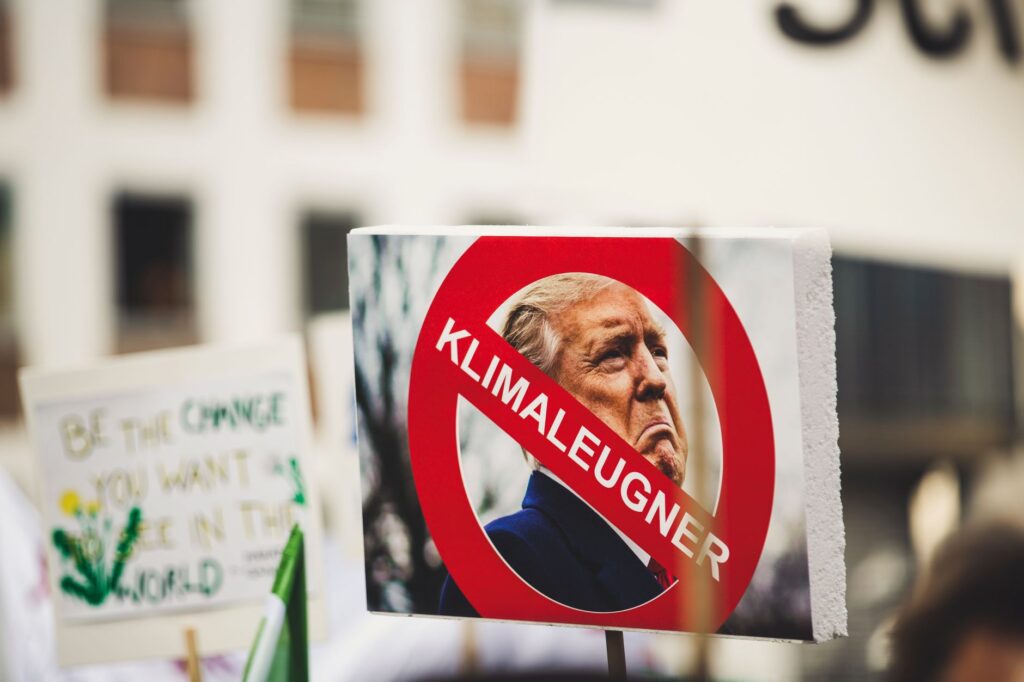
In 2026, the political environment is characterized by significant changes, particularly in the United States, where the second term of Donald Trump has introduced new dynamics affecting wealth and investment strategies. Recent reporting highlights how financial gain has become a defining feature of this administration, raising questions about the ethics and implications for family offices operating within this framework.
Family offices are keenly aware of how political shifts can impact their investment environments. With potential tax reforms and regulatory changes on the horizon, many are proactively adjusting their strategies. As Andrew Schneider, Founder & CEO of Family Office Networks, pointed out, “The best opportunities in this world are never advertised — they move through relationships. Our job is to be the room where those relationships form.” This underscores the importance of networking and collaboration among family offices during times of political uncertainty.
Political developments often bring new regulations that can significantly affect family offices. For instance, the ongoing discussions around financial transparency and wealth taxation have made many family offices reconsider their operational strategies. The recent regulatory scrutiny highlighted in the article, Political Influence: How Family Offices Navigate New Regulations, emphasizes the need for family offices to stay informed and agile.
To navigate these changes effectively, family offices are focusing on enhancing their governance frameworks. Implementing a comprehensive governance charter and ensuring compliance with evolving regulations not only mitigates risks but also positions these entities favorably in the eyes of stakeholders.

Amidst these political uncertainties, family offices are reevaluating their investment strategies. A growing number are turning to alternative investments, including private equity and venture capital, as these asset classes may offer more resilience against market volatility compared to traditional equities. This shift is evident in the recent trend where European wealth is gravitating towards Hong Kong, with 30 family offices eyeing operations there, as reported by South China Morning Post.
Family offices are also exploring direct investment opportunities in sectors that align with their values and long-term objectives. As Andrew Schneider notes, “No single family office sees the whole board. The families that endure are the ones that compare notes.” This highlights the critical role of collaboration and shared insights among family offices as they navigate complex investment landscapes.
As political climates evolve, so too do philanthropic strategies among family offices. Many are increasingly focused on impact investing, seeking to align their investment portfolios with social and environmental causes. This trend is particularly relevant as political conversations shift towards sustainability and corporate responsibility.
Family offices are leveraging their philanthropic initiatives not only to create positive change but also to enhance their reputations and influence within the political sphere. Engaging in socially responsible investments can serve as a buffer against potential backlash from political shifts that may threaten traditional investment models.
Global political risks remain a prominent concern for family offices, particularly as geopolitical tensions rise and economic uncertainties prevail. The need for political risk insurance is becoming increasingly apparent as family offices seek to protect their assets from potential disruptions.
With the recent developments in the Middle East and the escalating conflict, family offices are advised to consider diversifying their investment portfolios internationally. This diversification not only mitigates risk but can also create new opportunities in emerging markets. The article, Political Risk Insurance: Navigating Global Uncertainty, elaborates on strategies to safeguard against these risks.
Looking ahead, family offices must remain vigilant and adaptable in the face of ongoing political changes. Building a trusted network of peers is essential for sharing insights and navigating the complexities of the investment landscape. As family offices continue to refine their strategies in response to political dynamics, collaboration will be key.
In summary, family offices are increasingly aware that the political environment directly influences their success. Adapting their investment strategies, enhancing governance frameworks, and engaging in collaborative networks will be paramount in navigating the challenges and opportunities that lie ahead. As the landscape continues to evolve, those family offices that prioritize adaptability and strategic foresight will be best positioned for success in the future.

Political influence is reshaping family office strategies in 2026. Explore current dynamics and implications for investment choices.
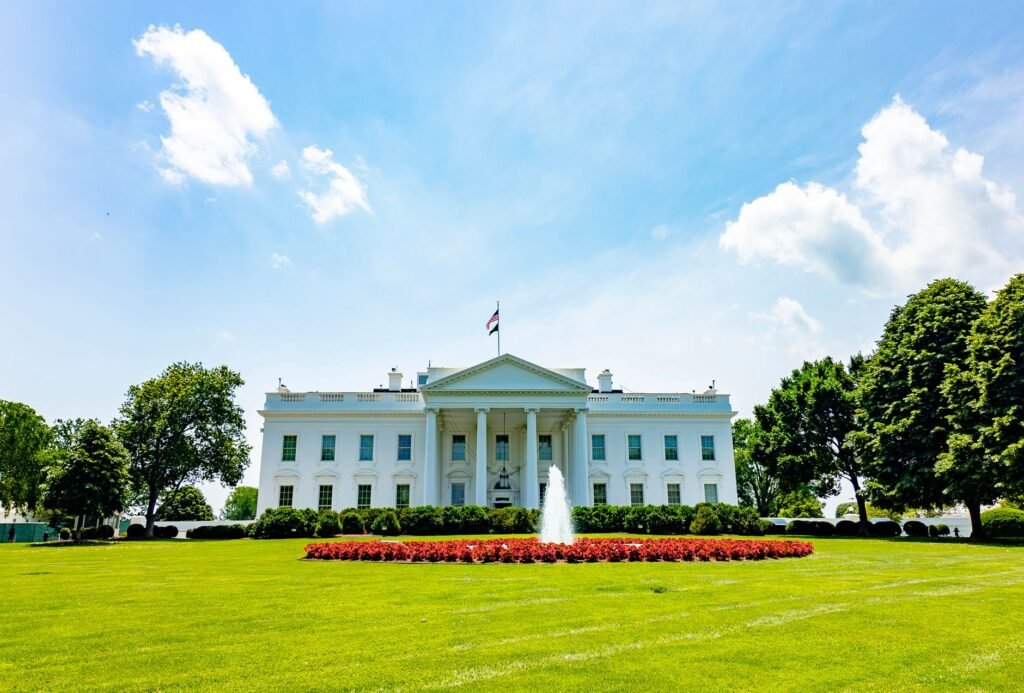
Political dynamics in Trump's second term are reshaping family office investment strategies as wealth strategies adapt.

Political influence is reshaping family office investment strategies in 2026. Here's what you need to know.
Protected by reCAPTCHA — the Google Privacy Policy and Terms of Service apply.
Join the discussion
Comments are open to signed-in members. Sign in to add yours, or apply to join the network.
Sign in Apply for FON+