Philanthropic Strategies for Family Offices: Crafting Meaningful Impact
Explore effective philanthropic strategies family offices can adopt for meaningful impact.

As family offices seek to create lasting impact, the landscape of philanthropy is evolving. Innovative strategies are now at the forefront of effective giving.
Recent reports indicate that ultra-high-net-worth (UHNW) families are increasingly moving philanthropy beyond traditional checkbook approaches. Instead, they are focusing on integrated systems and strategic partnerships that enhance the effectiveness of their giving. This evolution reflects a growing recognition that impactful philanthropy requires more than financial contributions; it necessitates a well-thought-out strategy that aligns with the family’s values and long-term goals.
Family offices are now prioritizing collaboration over competition. They are joining forces with other philanthropic entities to share insights, resources, and best practices. This collaborative approach allows family offices to amplify their impact while also learning from the experiences of their peers.
Family offices are directing their philanthropic efforts toward several key areas that resonate with their values and the pressing needs of society:
As reported by Family Office Networks, a growing number of family offices are establishing dedicated foundations to oversee their philanthropic activities, ensuring that their efforts are both strategic and impactful.
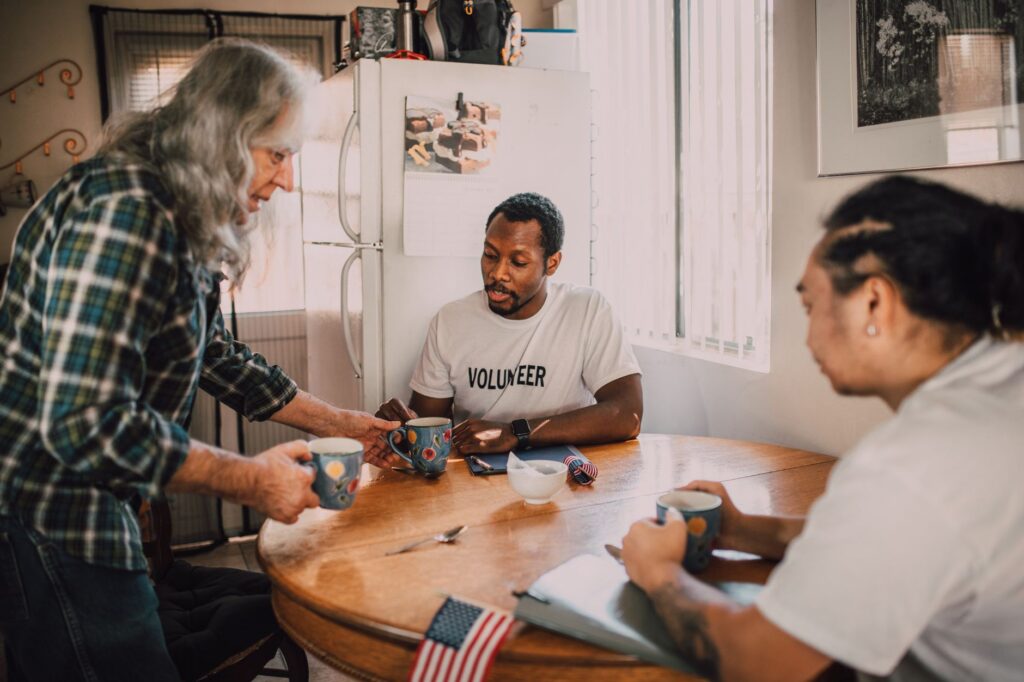
One of the most significant trends in philanthropy among family offices is the emphasis on community and collaboration. Recent insights from Andrew Schneider, Founder & CEO of Family Office Networks, highlight that “the single biggest advantage a family office can have isn’t capital — it’s a trusted circle of peers who share what is actually working.” This underscores the importance of networks in enhancing philanthropic efforts.
Family offices are increasingly participating in philanthropic collaboratives, where they can pool resources and expertise to tackle larger issues. These collaboratives often focus on specific challenges, such as climate change or public health crises, allowing for a more significant collective impact.
Wealth does not come with an instruction manual. The closest thing is a community of principals who have already navigated what you are facing.
— Andrew Schneider, Founder & CEO, Family Office Networks
Another trend shaping the future of philanthropy is the increasing reliance on data and technology to measure the impact of giving. Family offices are utilizing advanced analytics and reporting tools to evaluate the effectiveness of their philanthropic initiatives.
By employing these technologies, family offices can track outcomes, assess the impact of their donations, and make informed decisions about future investments. This approach ensures that their philanthropic endeavors are not only well-funded but also yield measurable results.
Engaging the next generation in philanthropy is crucial for ensuring the sustainability of philanthropic efforts. Family offices are increasingly involving younger family members in decision-making processes related to charitable giving. This engagement not only empowers the next generation but also fosters a sense of responsibility and ownership over the family’s philanthropic legacy.
To facilitate this involvement, family offices are developing educational programs and workshops that focus on philanthropy and social responsibility. These initiatives help the next generation understand the importance of giving back and equip them with the skills necessary to evaluate philanthropic opportunities effectively.

As family offices explore new philanthropic models, some are experimenting with innovative approaches such as impact investing and social entrepreneurship. These models allow family offices to align their financial goals with their philanthropic objectives, creating a dual benefit of financial returns and social impact.
Impact investing focuses on generating measurable social and environmental benefits alongside financial returns. Family offices are increasingly allocating a portion of their portfolios to impact investments, which can range from affordable housing to renewable energy projects.
Social entrepreneurship, on the other hand, involves supporting businesses that address social issues while operating sustainably. By investing in or partnering with social enterprises, family offices can help drive change while also achieving financial performance.
Recent reporting from Family Office Networks highlights how these innovative models are reshaping the philanthropic landscape, allowing family offices to have a significant and lasting impact.
Current trends include collaboration among family offices, the use of technology and data to measure impact, and engaging the next generation in philanthropic efforts.
Family offices can ensure impact by adopting data-driven strategies, collaborating with peers, and focusing on measurable outcomes in their philanthropic initiatives.
Collaboration allows family offices to pool resources and expertise, tackling larger issues and enhancing collective impact in their philanthropic efforts.
The next generation can get involved through educational programs, workshops, and active participation in decision-making processes related to philanthropic initiatives.

Explore effective philanthropic strategies family offices can adopt for meaningful impact.

Family offices are redefining philanthropy by integrating impact-driven strategies into their missions.

Explore effective philanthropy strategies for family offices in 2026, focusing on lasting impact and community engagement.
Protected by reCAPTCHA — the Google Privacy Policy and Terms of Service apply.
Join the discussion
Comments are open to signed-in members. Sign in to add yours, or apply to join the network.
Sign in Apply for FON+