Private Aviation: A Key Component of Luxury Travel for Family Offices
Explore how private aviation is redefining luxury travel for family offices.
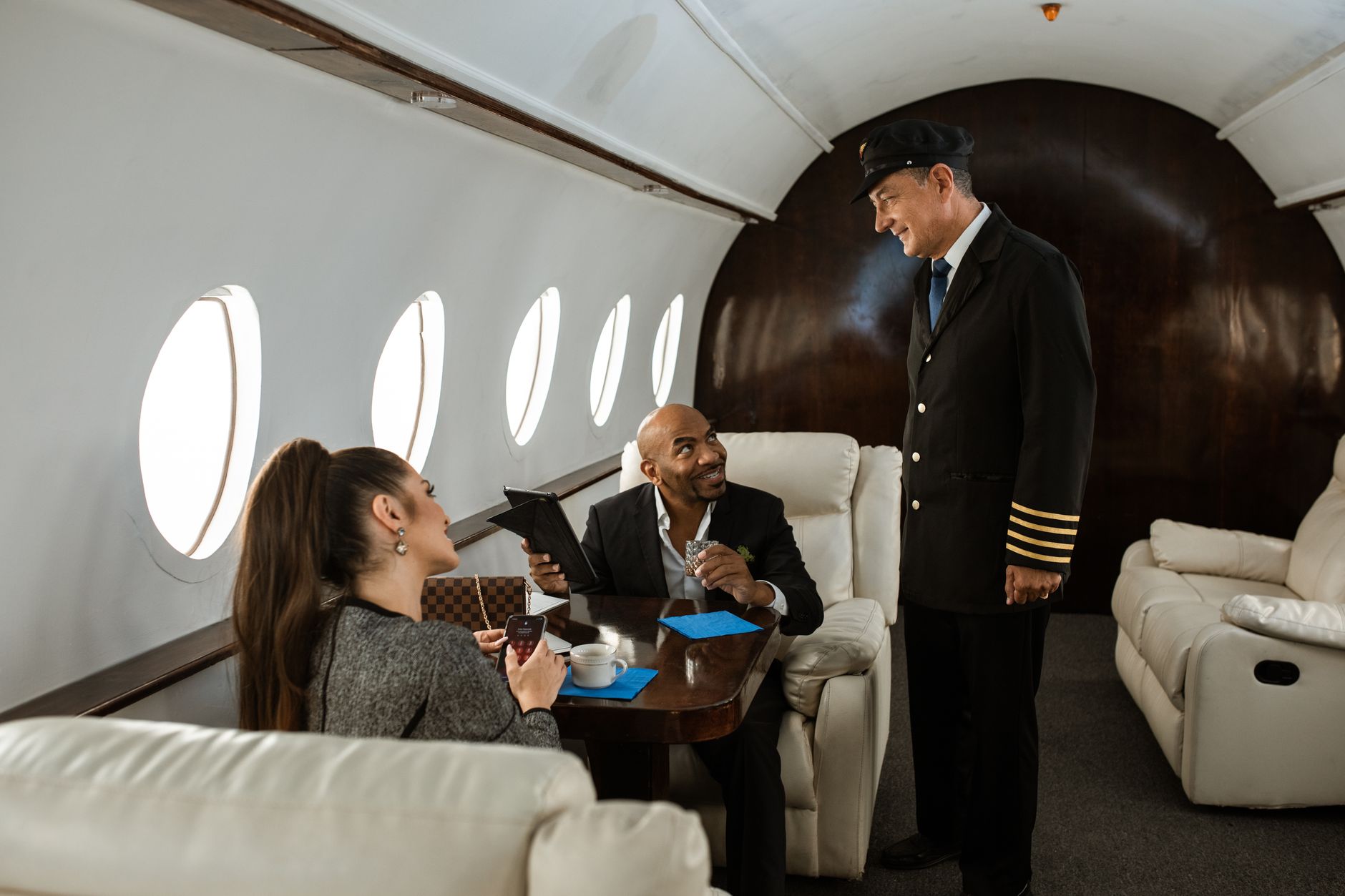
As the landscape of ultra-high-net-worth (UHNW) travel evolves, private aviation emerges as a key indicator of these shifts. Luxury travel is no longer merely about opulence; it reflects a deeper narrative of privacy, safety, and personalized experiences.
Recent reporting indicates that private aviation is experiencing a surge in demand, driven by a combination of factors. The COVID-19 pandemic reshaped travel preferences, leading wealthy families to prioritize health and safety. As a result, many are opting for private flights over commercial airlines, seeking more control over their travel environment.
According to industry analyses, the cost of flying private has risen as much as 20% due to soaring fuel prices, complicating decisions for some family offices. However, the demand remains resilient, as safety and exclusivity take precedence over cost considerations. In conversations across the FON membership, it’s clear that private aviation is viewed not just as a convenience but as a fundamental aspect of modern luxury travel. For insights on how private aviation is reshaping luxury travel, refer to private aviation trends.
UHNW individuals are increasingly seeking out experiences that prioritize their privacy. Recent headlines discuss how wealthy families are reinventing their summer travel plans, often opting to pay a premium for secluded getaways that allow them to “disappear” from public life. This trend underscores a broader desire for personalized and discreet travel options that commercial airlines cannot provide. This shift is part of a larger movement towards reimagining the luxury travel experience.
As technology advances, the private aviation sector is adapting to meet the evolving expectations of its clientele. From enhanced booking platforms that prioritize user experience to in-flight technology that caters to business needs, family offices are embracing innovations that streamline travel.
Additionally, the rise of sustainability initiatives within aviation is becoming a focal point for many UHNW individuals. Companies are now offering carbon offset options and investing in more fuel-efficient aircraft, aligning with the values of a growing number of family offices that prioritize environmental stewardship.
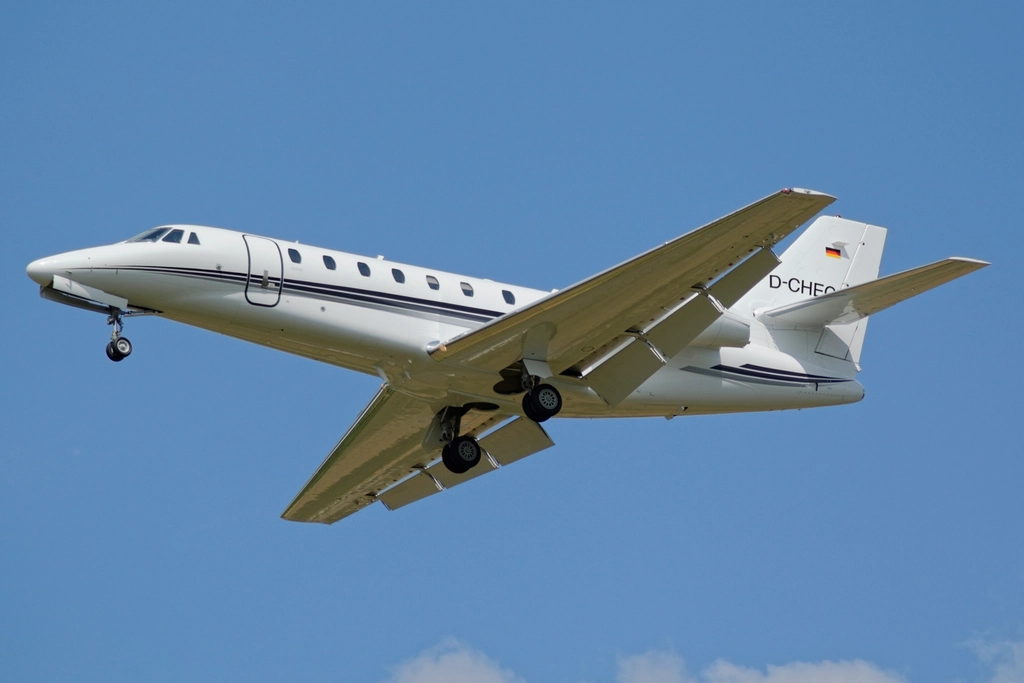
For family offices looking to integrate private aviation into their travel strategy, there are several operational considerations to keep in mind:
As we look toward the future, luxury travel, including private aviation, is poised to evolve further. The integration of artificial intelligence and enhanced data analytics will likely play a significant role in personalizing travel experiences. For example, AI can help anticipate passenger preferences, optimizing everything from in-flight dining to entertainment options.
Furthermore, the current emphasis on wellness and holistic travel experiences suggests that future private aviation offerings may include health-oriented in-flight services and wellness retreats at destinations. This shift reflects a broader trend within UHNW communities, where health and well-being are becoming paramount.

A successful private aviation strategy relies heavily on the development of a trusted network. Wealthy families often benefit from sharing insights and experiences with one another, as noted by Andrew Schneider, founder of Family Office Networks: “The single biggest advantage a family office can have isn’t capital — it’s a trusted circle of peers who share what is actually working.” This sentiment resonates particularly in the realm of travel, where relationships can lead to exclusive opportunities and insights.
Family offices are encouraged to cultivate connections with aviation specialists, luxury travel advisors, and fellow principals to navigate this complex landscape effectively. Sharing experiences and strategies can unveil opportunities that may otherwise remain hidden.
Private aviation offers family offices enhanced privacy, flexibility, and the ability to access remote destinations quickly.
Technology enhances private aviation through streamlined booking processes, personalized services, and improved safety measures.
Trends include a focus on sustainability, wellness, and personalized experiences tailored to the unique preferences of UHNW travelers.
Family offices assess travel needs by evaluating frequency, preferred destinations, and the family’s overall lifestyle and values.

Explore how private aviation is redefining luxury travel for family offices.

Private aviation is reshaping luxury travel for UHNW families in 2026. Discover the latest trends and insights.

Discover how private aviation is transforming travel for ultra-wealthy families in 2026. Learn the latest trends and insights.
Protected by reCAPTCHA — the Google Privacy Policy and Terms of Service apply.
Join the discussion
Comments are open to signed-in members. Sign in to add yours, or apply to join the network.
Sign in Apply for FON+