The Allure of Luxury Yachts: A Family Office Investment Perspective
Luxury yachts are becoming a key investment for family offices, blending leisure and asset appreciation.

Preserving a comprehensive record of your collectibles is vital for ensuring their value and significance across generations. With careful documentation, future generations can appreciate the provenance and legacy of these passion assets.
Collectibles, whether they are art, vintage cars, jewelry, or wine, represent significant investments and personal passions. Documenting these items not only protects their value but also enhances their significance within a family legacy. A well-maintained record can provide clarity for future generations regarding the acquisition, valuation, and historical context of each asset.
Provenance refers to the history of ownership of an asset, which can greatly influence its value. Establishing a clear provenance involves documenting the origin of the item, prior ownership, and any significant events associated with it.
Maintaining adequate insurance coverage is essential for protecting collectibles against theft, loss, or damage. Insurers often require detailed documentation to provide appropriate coverage and to streamline claims processes. Regularly updating valuations is also crucial, as market conditions can fluctuate, impacting the worth of collectibles.
Establishing a regular valuation schedule allows you to keep track of your assets’ market value over time. This could involve:
Proper storage is fundamental in preserving the condition and value of collectibles. Each type of asset may have specific requirements:
Alongside documenting the collectibles themselves, it’s important to provide details about their storage conditions. This includes:
When thinking about the future of your collection, a clear succession plan is essential. This plan should outline how assets will be passed down, who will be responsible for their care, and how decisions will be made regarding their sale or display.
Involving younger family members can foster an appreciation for the collection and its value. This could include educational opportunities around the history of the assets or even hands-on experiences in caring for them. Encouraging involvement can help ensure that the collection is valued and preserved over generations.
As family offices increasingly recognize the value of passion assets, documenting collections through meticulous record-keeping becomes a critical component of investment strategy. Future generations stand to benefit immensely from a well-documented collection that tells the story of not just the items themselves, but also of the family’s history and values.
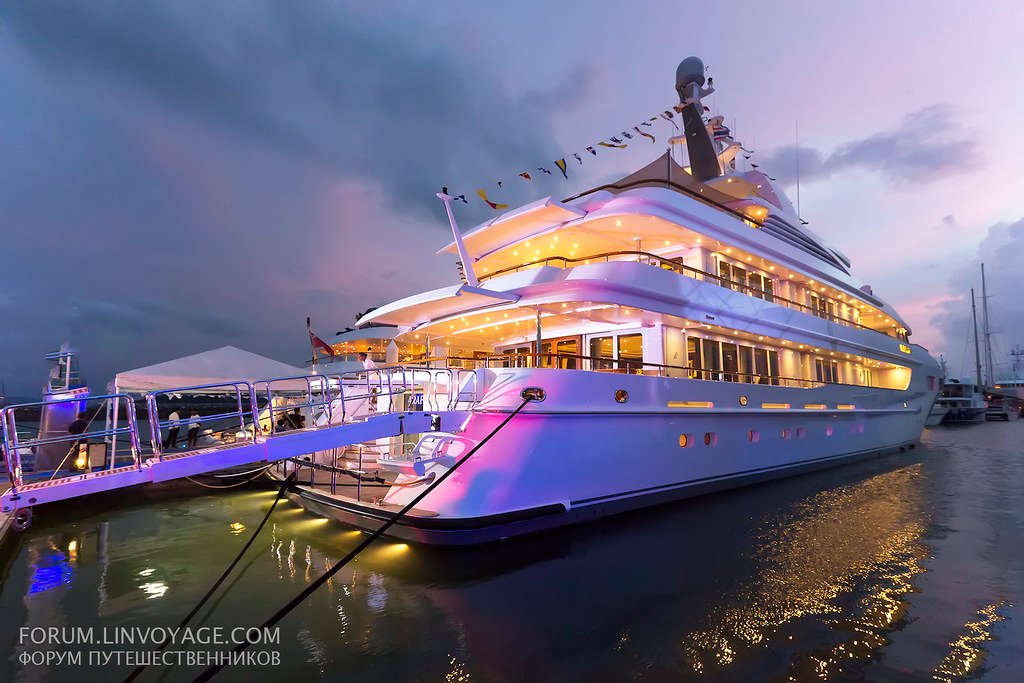
Luxury yachts are becoming a key investment for family offices, blending leisure and asset appreciation.

Discover how luxury collectibles are becoming essential assets for family offices in 2026.
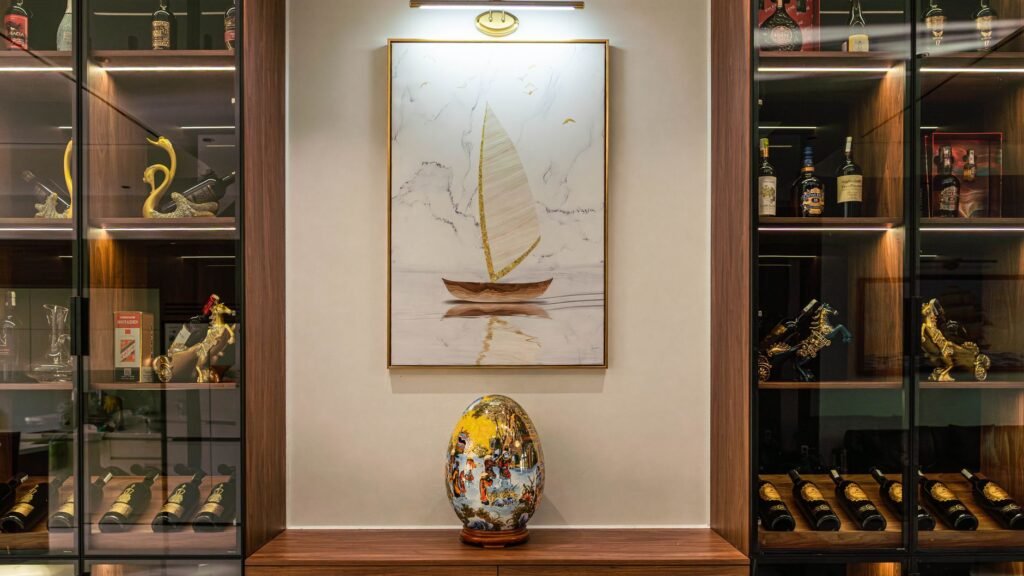
Discover why luxury collectibles are becoming essential assets for family offices.
Protected by reCAPTCHA — the Google Privacy Policy and Terms of Service apply.
Join the discussion
Comments are open to signed-in members. Sign in to add yours, or apply to join the network.
Sign in Apply for FON+