Maximizing Family Office Travel Through Private Aviation Strategies
Explore how private aviation strategies can enhance family office travel experiences.

Chartering out privately-owned aircraft can be an effective strategy to offset costs and generate revenue while enhancing the overall asset value. Understanding the nuances of charter economics is key to optimizing returns.
Chartering an aircraft involves renting it out to other users for short-term or long-term needs. This practice can greatly enhance the financial viability of owning a private aircraft, especially when considering the significant fixed costs associated with ownership. Principals often analyze charter economics in terms of operational cost recovery and revenue generation.
When considering chartering out an aircraft, owners must first decide on the ownership structure. Whole ownership provides complete control over the asset but entails all associated costs and responsibilities. Conversely, fractional ownership allows sharing of costs and access to multiple aircraft types but may limit flexibility for chartering.
Each structure presents unique trade-offs:
It is essential to navigate the regulatory landscape effectively. Aircraft registration and flag choice play crucial roles in determining operational scope and regulatory obligations. Different jurisdictions have varied regulations regarding charter operations, which can significantly impact profitability.
Choosing the appropriate registration and flag involves assessing factors such as:
The decision to charter out an aircraft also requires careful consideration of crewing arrangements. Engaging qualified personnel is vital to ensure safety and compliance, both of which are critical to maintaining asset value.
Elements to consider include:
Proper maintenance and insurance are critical components of aircraft ownership that directly impact charter viability. Regular maintenance ensures compliance with safety regulations and helps preserve asset value. Additionally, maintaining a reserve for unforeseen repairs is prudent.
Insurance plays a dual role: it protects the asset and meets legal charter requirements. Selecting the right insurance policy involves evaluating:
Maximizing revenue from chartered flights requires proactive management. Owners should consider implementing dynamic pricing models based on demand fluctuations. Seasonal demand, economic conditions, and special events can all influence pricing strategies.
Additionally, marketing efforts are essential for promoting charter availability. Strategies may include:
Chartering out your aircraft can offset operational costs, generate additional revenue, and enhance asset value through effective management.
Evaluate coverage levels, policy terms, and the reputation of providers to ensure adequate protection for charter operations.
Focus on hiring qualified personnel who meet regulatory requirements and consider third-party management for operational efficiency.
Utilize digital marketing, build relationships with travel agencies, and engage in networking opportunities to promote your charter services.

Explore how private aviation strategies can enhance family office travel experiences.
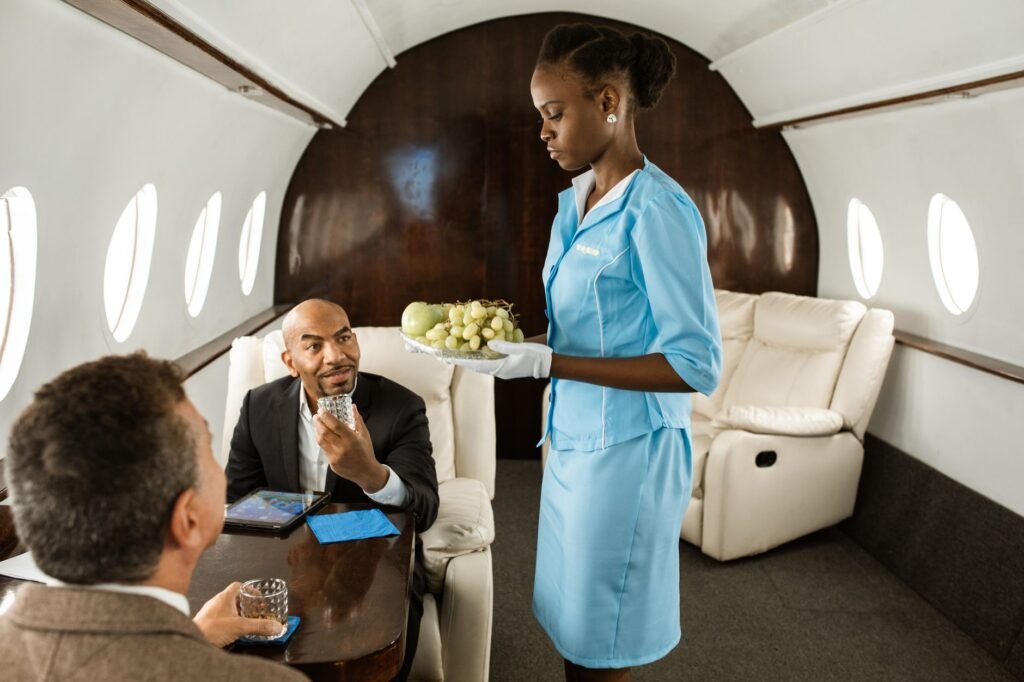
Explore how luxury travel trends are reshaping family office aviation strategies in 2026.

Discover how private aviation is transforming travel for family offices in 2026.
Protected by reCAPTCHA — the Google Privacy Policy and Terms of Service apply.
Join the discussion
Comments are open to signed-in members. Sign in to add yours, or apply to join the network.
Sign in Apply for FON+