The Allure of Luxury Yachts: A Family Office Investment Perspective
Luxury yachts are becoming a key investment for family offices, blending leisure and asset appreciation.

Owning valuable artworks requires a commitment to their care. Establishing a maintenance routine is essential to preserve both their physical condition and investment value.
Artworks, whether paintings, sculptures, or other collectibles, require proper maintenance to prevent deterioration over time. Environmental factors such as light, humidity, and temperature can significantly impact an artwork’s condition. Regular maintenance not only preserves the aesthetic value but also ensures authenticity and provenance, which are critical for future valuation and sale.
Controlling the environment where artworks are stored or displayed is crucial. Artworks should ideally be kept in spaces where temperature and humidity can be regulated. For instance, a temperature range of 65-70°F and humidity around 40-50% is often recommended. Both extremes can lead to issues such as paint cracking or mold growth.
Regular cleaning helps prevent the buildup of dirt and dust, which can cause long-term damage. Use only soft, lint-free cloths for dusting. For framed pieces, ensure that the frame itself is also cared for, as it contributes to the overall protection of the artwork. Avoid using any cleaning solutions unless they are recommended by professionals.
Engaging professional conservators is paramount for artworks requiring more than routine cleaning. These experts can perform detailed examinations and recommend specific conservation treatments. Depending on the artwork’s materials, restoration might involve cleaning, repairing tears, or re-stretching canvases. It’s important to select conservators who adhere to recognized standards and practices within the art community.
Keeping thorough records of maintenance, conservation, and any changes in ownership is vital. Documentation can enhance the provenance of artworks, significantly impacting future valuations. This information not only supports claims of authenticity but also provides insight into an artwork’s history and care, which is increasingly important in the current market.
Insurance is an essential part of managing an art collection. Regular appraisals ensure that artworks are appropriately insured and reflect current market conditions. In many cases, insurers may require an updated valuation every few years to adjust coverage based on fluctuations in the art market.
Valuation should take into account both market trends and the condition of the artwork. Engaging with valuation experts who specialize in the specific type of art can provide deeper insights. Collectors should also stay informed about auction results and market trends to understand the shifting values of their collections.
As with other assets, a clear succession plan is critical for art collections. This plan should outline not only who inherits the pieces but also how they will be maintained and valued over time. Family discussions regarding the future of the collection can help ensure that the next generation values and understands the importance of care and provenance.
Involving the next generation in the collection’s care fosters appreciation and responsibility. Educational initiatives, such as workshops or visits to conservation studios, can build a foundation of knowledge about the importance of maintaining artworks. This engagement can ensure that future generations are prepared to manage and enjoy the collection.
Use soft, lint-free cloths for dusting and avoid harsh chemicals. Regular gentle cleaning helps maintain the artwork’s condition.
Artworks should be evaluated by a professional conservator every few years, or sooner if significant changes in condition are noticed.
Documentation provides provenance and supports claims of authenticity, enhancing the value and marketability of the artwork.
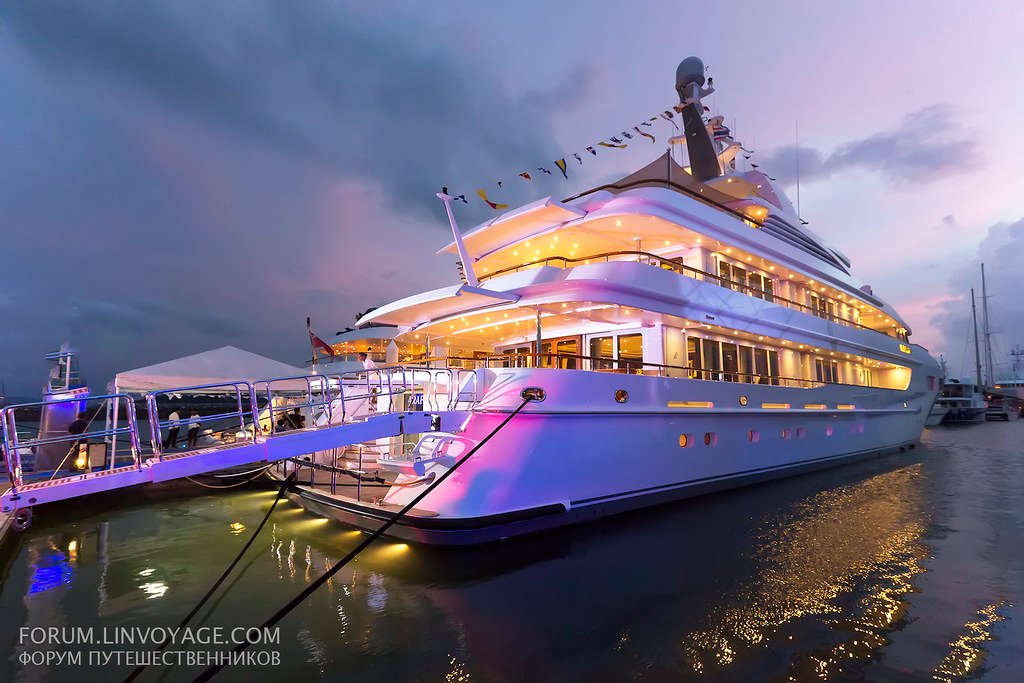
Luxury yachts are becoming a key investment for family offices, blending leisure and asset appreciation.
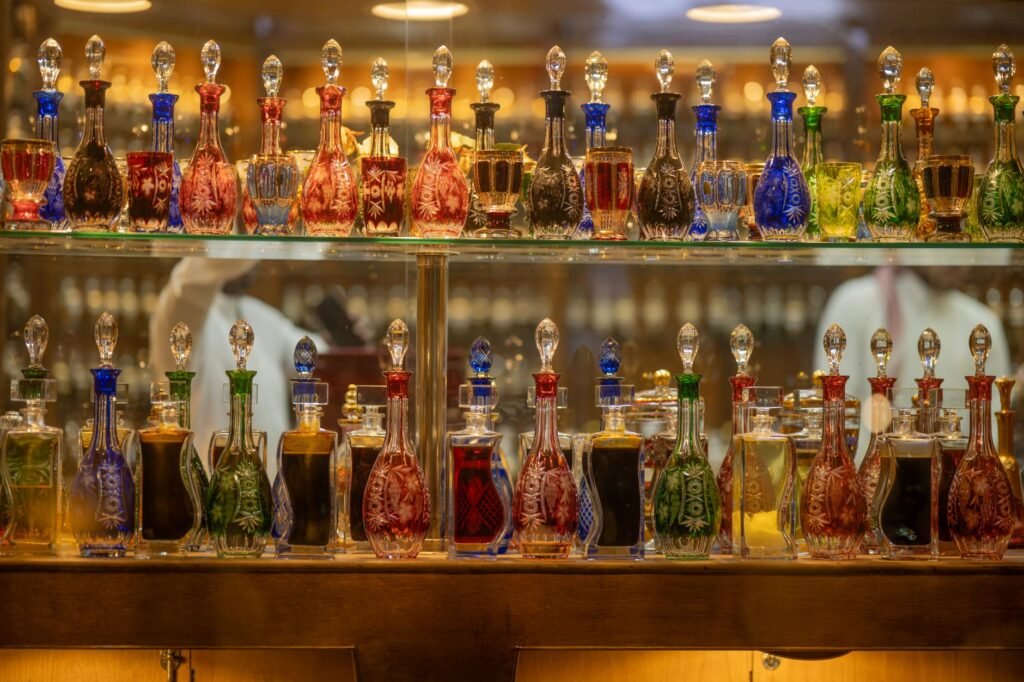
Discover how luxury collectibles are becoming essential assets for family offices in 2026.
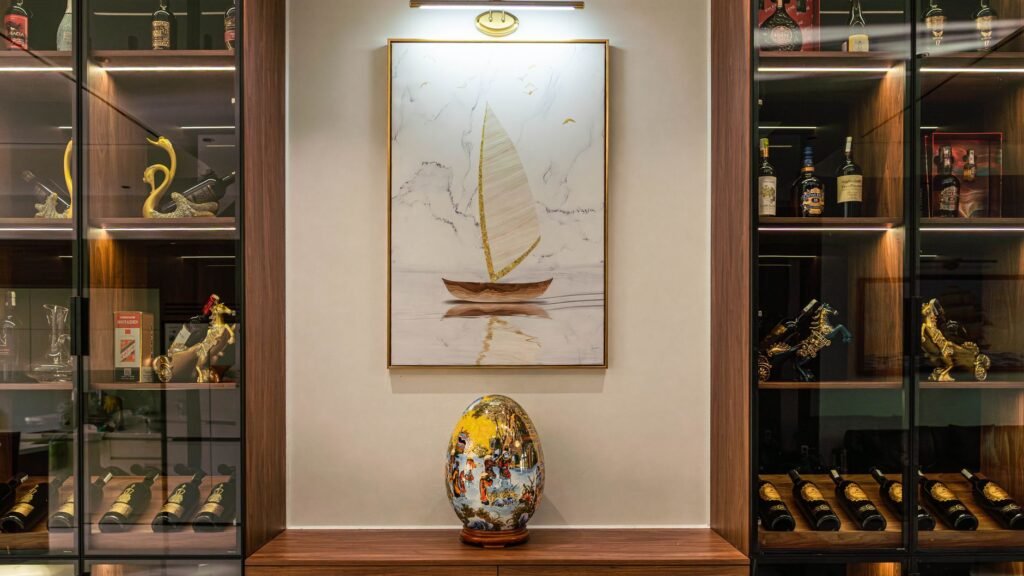
Discover why luxury collectibles are becoming essential assets for family offices.
Protected by reCAPTCHA — the Google Privacy Policy and Terms of Service apply.
Join the discussion
Comments are open to signed-in members. Sign in to add yours, or apply to join the network.
Sign in Apply for FON+