The Allure of Luxury Yachts: A Family Office Investment Perspective
Luxury yachts are becoming a key investment for family offices, blending leisure and asset appreciation.

The growing interest in collectible assets has prompted many family offices to reassess their portfolios. Understanding how to evaluate these holdings is crucial for maximizing their value.
Collectible assets encompass a wide range of items, including art, vintage watches, rare wines, classic cars, and fine jewelry. Each category presents unique characteristics that impact their valuation and liquidity. Understanding these nuances is essential for family offices aiming to integrate such assets into their broader financial strategies.
Beyond aesthetic appeal, collectible assets often serve as investment vehicles. Their value can appreciate significantly over time, though this is not guaranteed. Due diligence in provenance and authenticity is vital when acquiring such items, as these factors can drastically influence market value.
When assessing collectible assets, family offices should consider several key performance indicators. These include historical price appreciation, market trends, and the asset’s liquidity. A diversified portfolio within collectibles can mitigate risk, ensuring that the volatility of one asset class doesn’t disproportionately affect overall wealth.
Collectibles typically do not function like traditional investments, and their valuation can be subjective. Engaging with experts in the relevant fields, such as art appraisers or wine specialists, can provide invaluable insights into the current market landscape and assist in accurate valuation.
The importance of provenance cannot be overstated. Provenance refers to the history of ownership of a particular asset and is crucial in establishing authenticity and value. Family offices must have a robust system in place for verifying provenance, including obtaining certificates of authenticity and documentation of prior ownership.
In the realm of collectibles, the story behind an item can significantly enhance its appeal. For instance, an artwork with a well-documented history of ownership may command a higher price than a similar piece without such a background. Engaging with reputable authentication services can reduce the risk of acquiring forgeries or items lacking significant provenance.
Insuring collectible assets properly is essential for safeguarding family wealth. Family offices should seek specialized insurance policies tailored to collectibles, which often provide coverage for theft, damage, and loss. It is advisable to conduct regular appraisals to adjust coverage limits as values fluctuate.
Storage is another critical consideration. Collectibles often require specific environmental conditions to maintain their condition. For example, fine art may need climate-controlled environments, while wines require optimal temperature and humidity levels. Collaborating with specialized storage facilities can ensure that assets are preserved in their best condition.
Regular valuation of collectible assets is necessary to maintain an accurate understanding of their worth. Family offices should establish a routine appraisal schedule to reflect market changes and individual asset performance. Engaging accredited appraisers with expertise in specific collectible genres will enhance the accuracy of these valuations.
Succession planning for collectible assets involves more than just financial considerations; it requires thoughtful engagement with the next generation. Family offices should ensure that heirs understand the value and significance of the collectibles, both financially and culturally. This can involve educational initiatives, such as workshops or guided discussions about the assets and their histories.
Establishing clear policies regarding the distribution or management of collectible assets is crucial in ensuring that family members remain aligned with the family’s vision for these items. Comprehensive estate planning documents should include provisions for collectible assets to avoid disputes among heirs.
Consider historical price trends, market demand, and the asset’s liquidity. Engage with experts to obtain accurate valuations.
Utilize reputable authentication services and secure certificates of authenticity to verify the provenance of collectibles.
Look for specialized insurance policies that cater specifically to collectibles, which include coverage for theft, damage, and loss.
Engage your heirs in discussions about the collectibles, offer educational opportunities, and ensure clear succession planning in your estate documents.
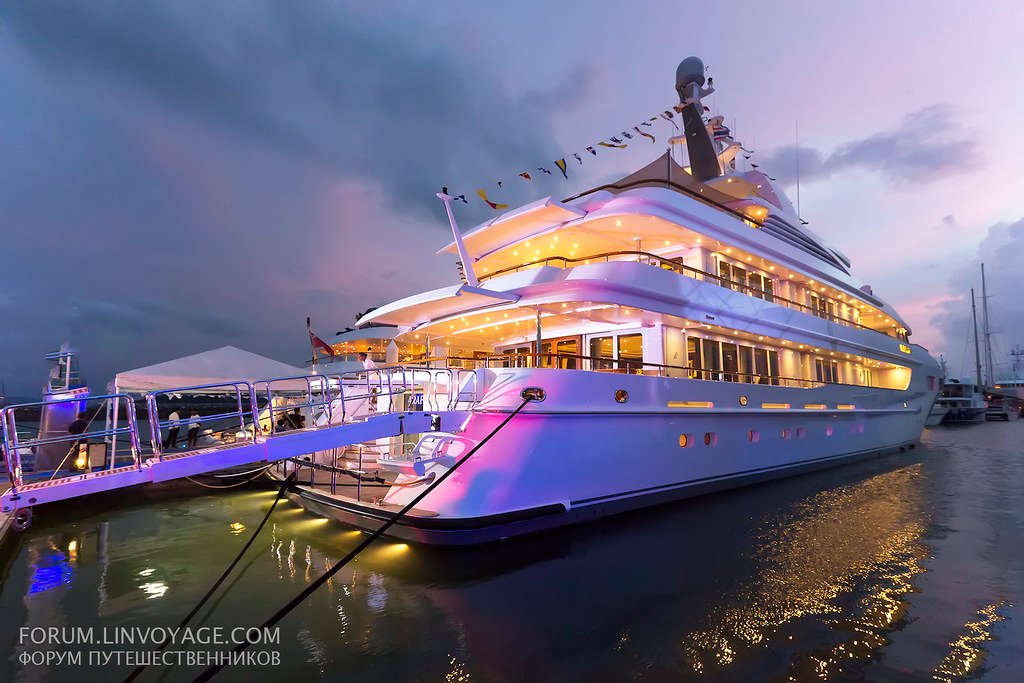
Luxury yachts are becoming a key investment for family offices, blending leisure and asset appreciation.

Discover how luxury collectibles are becoming essential assets for family offices in 2026.
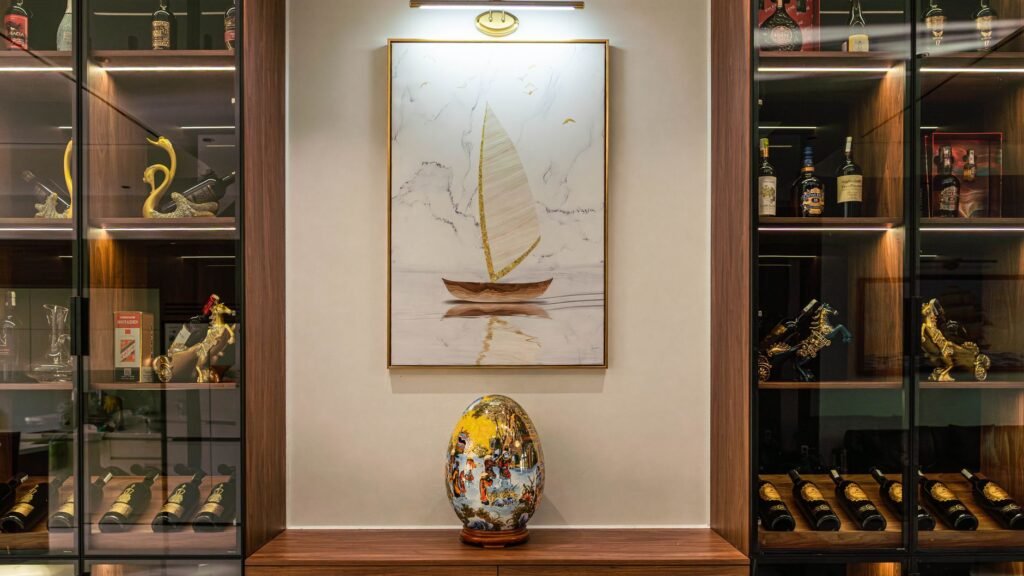
Discover why luxury collectibles are becoming essential assets for family offices.
Protected by reCAPTCHA — the Google Privacy Policy and Terms of Service apply.
Join the discussion
Comments are open to signed-in members. Sign in to add yours, or apply to join the network.
Sign in Apply for FON+