The Allure of Luxury Yachts: A Family Office Investment Perspective
Luxury yachts are becoming a key investment for family offices, blending leisure and asset appreciation.

Provenance is a critical aspect of art collection that affects both value and authenticity. Understanding how to verify an artwork’s history of ownership ensures that collectors make informed decisions and protect their investments.
Provenance refers to the documented history of an artwork’s ownership and transfer. This documentation traces the journey of the piece from its creation to the present day and includes details about previous owners, exhibitions, and sales. Provenance serves as a foundation for establishing authenticity, which is paramount in the art world.
The history of an artwork adds to its narrative and can significantly influence its market value. An established provenance can enhance a piece’s desirability, particularly if it has been owned by notable collectors or exhibited in prestigious galleries. Therefore, collectors should prioritize thorough provenance documentation.
Verification of provenance involves several steps, each critical for ensuring the authenticity and value of an artwork. Here are key methods to verify provenance:
Provenance verification is not without its challenges. Many artworks lack complete documentation, especially those with a long history. Additionally, forgeries and misattributions complicate the provenance landscape. Here are some common challenges:
Once provenance is established, collectors must consider the practical aspects of ownership, including insurance and storage. Proper insurance protects against loss, theft, or damage, while secure storage ensures that artworks maintain their condition. Key considerations include:
Valuation is another essential aspect of art collection that is closely tied to provenance. Regular appraisals help determine the current market value of the collection, which can fluctuate based on demand and market trends. When considering succession planning, collectors should take the following steps:
While art is a primary focus for many collectors, other passion assets—such as classic cars, watches, wine, and jewelry—also require careful attention to provenance. Each category has unique considerations:
Managing a diverse collection of passion assets requires a strategic approach, balancing enjoyment with investment potential. The most astute collectors maintain detailed records, engage with experts, and remain informed about market dynamics.

Luxury yachts are becoming a key investment for family offices, blending leisure and asset appreciation.

Discover how luxury collectibles are becoming essential assets for family offices in 2026.
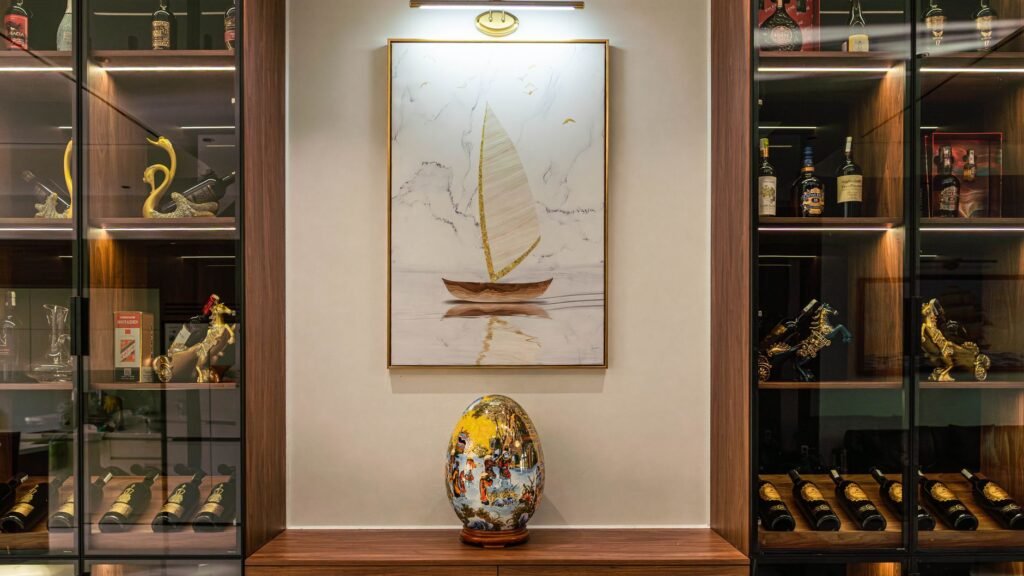
Discover why luxury collectibles are becoming essential assets for family offices.
Protected by reCAPTCHA — the Google Privacy Policy and Terms of Service apply.
Join the discussion
Comments are open to signed-in members. Sign in to add yours, or apply to join the network.
Sign in Apply for FON+