The Allure of Luxury Yachts: A Family Office Investment Perspective
Luxury yachts are becoming a key investment for family offices, blending leisure and asset appreciation.

Navigating the auction process can be daunting. Understanding the mechanics of buying and selling collectibles is crucial for families looking to enhance their asset portfolios with passion assets.
The auction landscape for collectibles has evolved significantly, offering a variety of platforms, from traditional auction houses to online marketplaces. Each venue has its advantages and disadvantages, shaping the experience for both buyers and sellers.
Traditional auction houses often provide a tactile experience, with the ability to inspect items in person and engage with experts. However, online platforms have democratized access, allowing buyers and sellers from around the world to participate without geographical limitations.
Auction types vary and can influence the buying and selling experience:
Provenance refers to the history of ownership of a collectible and is crucial in determining its value. Collectors should ensure that items have clear, documented provenance to avoid issues of authenticity. Experts often conduct rigorous checks to establish authenticity, especially for high-value items such as art and rare collectibles.
It is wise to ask the following questions before purchasing:
Valuation is essential in both buying and selling at auction. Collectibles should be appraised regularly to reflect current market conditions. Engaging with experienced appraisers who specialize in specific asset types—like fine art, classic cars, or jewelry—ensures accurate valuations.
Insurance is another critical layer of protection for valuable collectibles. Family offices should consider:
Proper storage and care are vital to maintaining the value of collectible assets. Each category of collectible has specific requirements. For instance, art needs to be stored in climate-controlled environments, while wine collections require specific temperature and humidity conditions.
Consider the following care guidelines:
Succession planning is often overlooked in the context of tangible assets. Family offices should develop strategies to ensure collectibles are passed down appropriately while retaining their value. This includes:
Understanding market dynamics is crucial for successful auction participation. Collectors must stay informed about trends in their specific collectible categories, recognizing that values fluctuate based on demand, rarity, and cultural significance.
Each collectible asset class may experience different market trends, such as:
When preparing to participate in an auction, set clear goals and limits. Here are steps to guide the process:
Examine provenance, authenticity, condition, and market value before placing a bid.
Engage with an insurance provider that specializes in collectibles and regularly appraise your items.
Document each item’s details, involve family members in discussions, and create a plan for future ownership.
Yes, online auctions offer broader access and convenience, but ensure you research the platform’s reliability and fees.
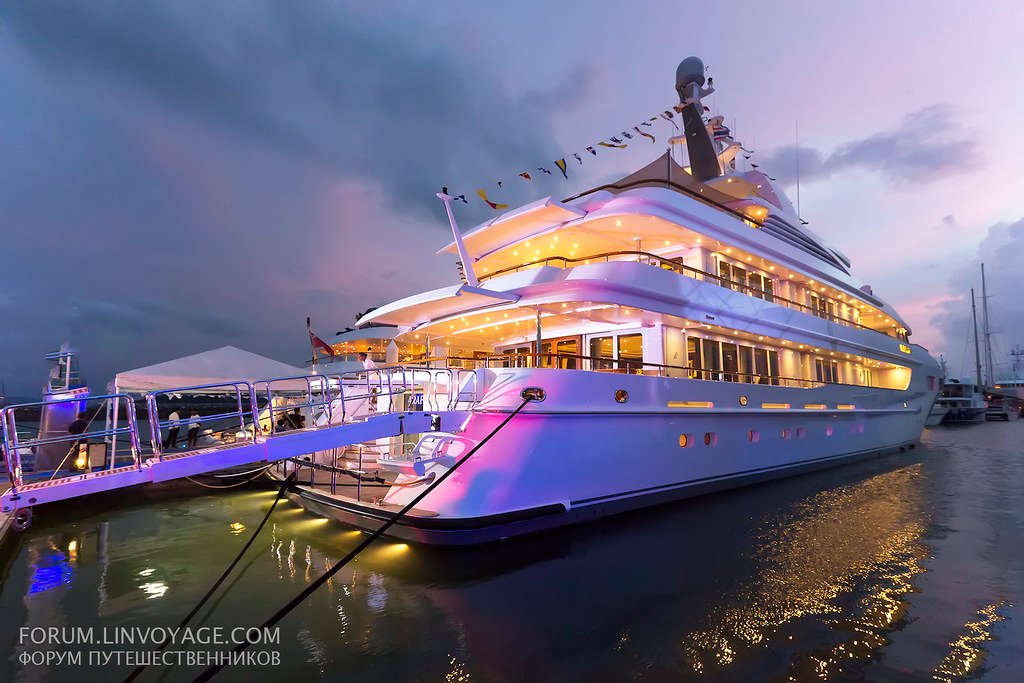
Luxury yachts are becoming a key investment for family offices, blending leisure and asset appreciation.

Discover how luxury collectibles are becoming essential assets for family offices in 2026.
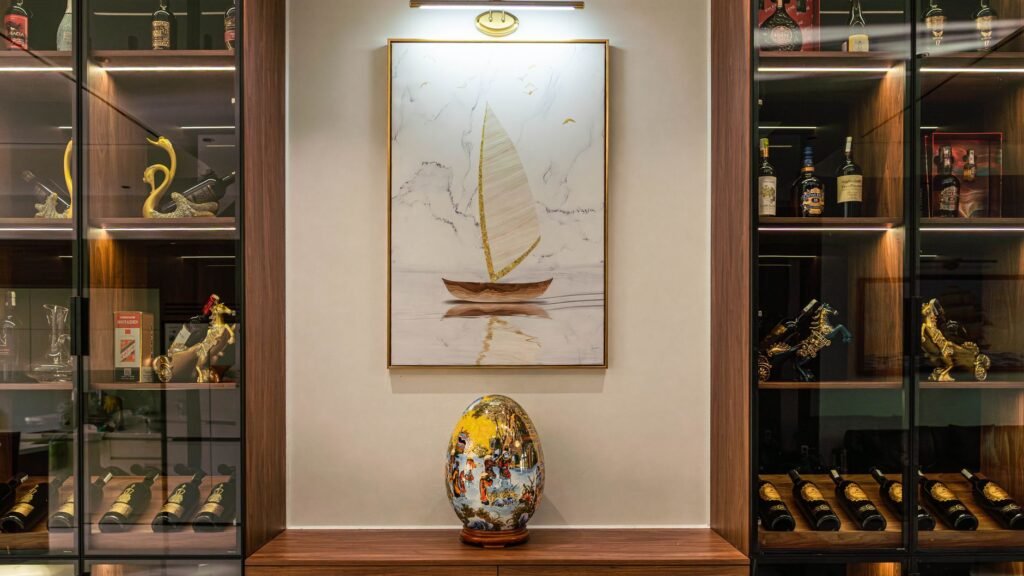
Discover why luxury collectibles are becoming essential assets for family offices.
Protected by reCAPTCHA — the Google Privacy Policy and Terms of Service apply.
Join the discussion
Comments are open to signed-in members. Sign in to add yours, or apply to join the network.
Sign in Apply for FON+