Maximizing Family Office Travel Through Private Aviation Strategies
Explore how private aviation strategies can enhance family office travel experiences.

Understanding the economics of private aviation is essential for family offices considering charter flights versus ownership. A clear assessment can lead to significant cost savings and operational efficiencies.
Charter flights provide flexibility and convenience, appealing to many ultra-high-net-worth individuals and family offices. However, determining whether chartering is more cost-effective than owning an aircraft involves analyzing several factors.
Factors to consider include:
The decision between chartering and ownership often hinges on the frequency of travel and specific usage patterns. A charter flight can be arranged quickly and provides access to a variety of aircraft without the commitment of ownership. For family offices that travel occasionally, chartering is often a more prudent choice.
On the other hand, for those who travel extensively or require the aircraft for business operations, ownership may justify the fixed costs. Evaluating your travel requirements can help delineate which option is more financially viable.
Fractional ownership models allow multiple parties to share the cost and use of an aircraft, offering a middle ground between chartering and full ownership. This approach can mitigate some of the expenses associated with outright ownership, such as maintenance and operational management.
It’s important to evaluate:
Owning an aircraft entails significant operational costs that can vary widely based on the type of aircraft, usage, and ownership structure. Key considerations include:
When evaluating charter flights versus ownership, understanding the regulatory landscape is crucial. Regulations vary significantly based on the aircraft’s registration and the flag chosen. Different jurisdictions have varying requirements regarding maintenance, operations, and tax implications.
Key questions to consider include:
If ownership is pursued, some family offices consider chartering their aircraft when not in use to generate revenue. This can offset operational costs, but it requires careful management to ensure compliance with regulations and safety standards.
Aspects to manage include:

Explore how private aviation strategies can enhance family office travel experiences.
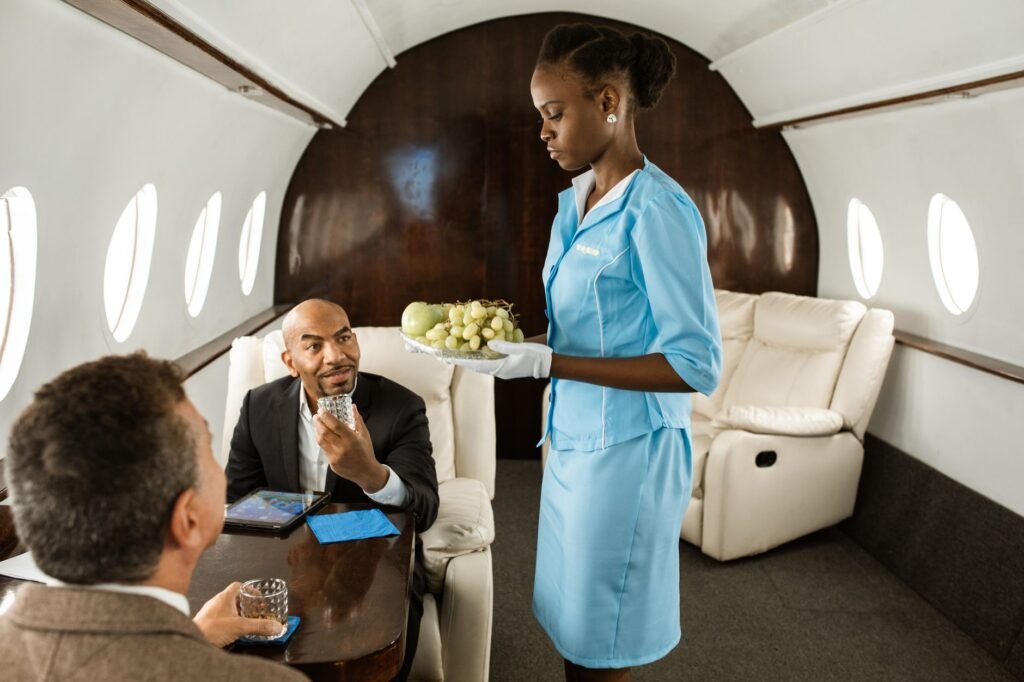
Explore how luxury travel trends are reshaping family office aviation strategies in 2026.

Discover how private aviation is transforming travel for family offices in 2026.
Protected by reCAPTCHA — the Google Privacy Policy and Terms of Service apply.
Join the discussion
Comments are open to signed-in members. Sign in to add yours, or apply to join the network.
Sign in Apply for FON+