The Allure of Luxury Yachts: A Family Office Investment Perspective
Luxury yachts are becoming a key investment for family offices, blending leisure and asset appreciation.

Navigating the complex world of collectible asset insurance requires an understanding of unique asset characteristics and specific coverage needs. Identifying the right insurance coverage can protect your passion investments.
Collectible assets encompass a wide range of items such as art, classic cars, watches, wine, and jewelry. Each category carries distinct attributes that influence insurance requirements. Owners must recognize what makes their collectibles unique and how that uniqueness affects coverage.
For instance, art pieces often require policies that cover not just loss or damage but also factors like depreciation and market value fluctuations. Similarly, classic cars may need specialized policies that account for their condition, mileage, and rarity. Understanding these nuances is crucial when selecting insurance.
When seeking insurance for collectible assets, several factors warrant careful consideration:
There are several types of insurance policies available for collectible assets:
Choosing the right insurance provider is as important as selecting the right coverage. Look for firms that specialize in collectible asset insurance and have a strong reputation in the industry.
Consider the following criteria when evaluating providers:
Regularly reviewing and updating your insurance policy is essential. As collectibles appreciate or depreciate in value, it’s vital to adjust coverage accordingly. Regular appraisals should coincide with this review to ensure that your policy reflects the current status of your assets.
Additionally, maintaining accurate records and documentation for all collectible assets can expedite the claims process, ensuring a smoother experience should a loss occur.
The cost of insuring collectible assets varies widely based on several factors including the type of asset, the total value, and the specific coverage options chosen. While it may be tempting to opt for the cheapest policy, it’s crucial to consider the adequacy of coverage provided. Sometimes, a slightly higher premium can offer significantly better protection.
First, contact your insurance provider immediately to report the loss or damage and follow their claims process. Ensure you have documentation ready, such as appraisals, photographs, and any other relevant records.
It’s advisable to have collectibles appraised every few years or whenever significant changes occur in the market or the condition of the items.
Insurance can protect you from financial loss due to unexpected events. Given the potential appreciation of collectible assets, having proper coverage is typically worth the investment.
Common collectibles that often require specialized insurance include fine art, classic cars, jewelry, rare wines, and high-end watches.
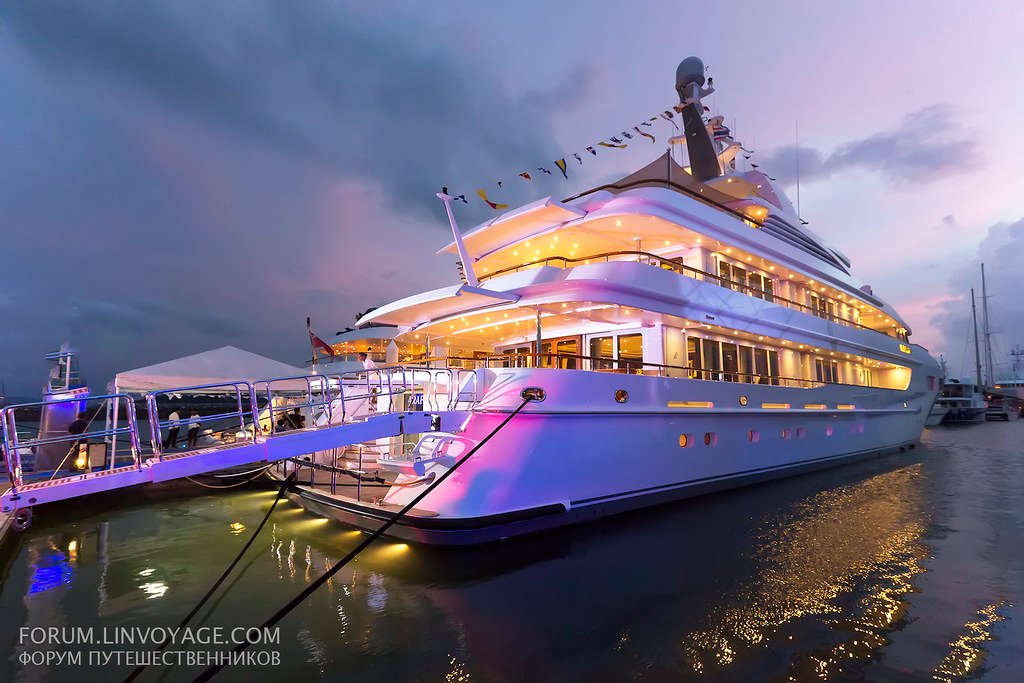
Luxury yachts are becoming a key investment for family offices, blending leisure and asset appreciation.

Discover how luxury collectibles are becoming essential assets for family offices in 2026.
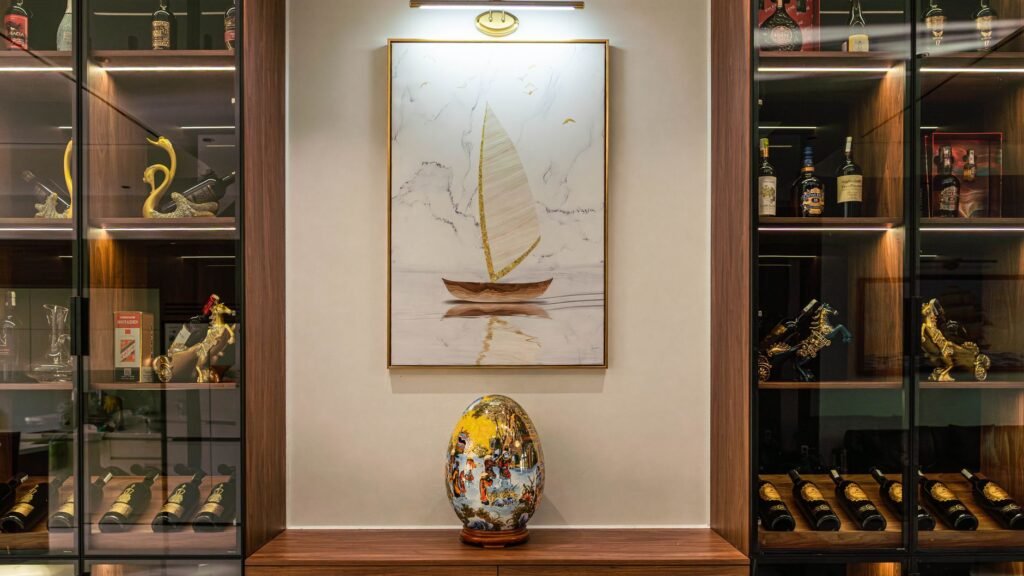
Discover why luxury collectibles are becoming essential assets for family offices.
Protected by reCAPTCHA — the Google Privacy Policy and Terms of Service apply.
Join the discussion
Comments are open to signed-in members. Sign in to add yours, or apply to join the network.
Sign in Apply for FON+