The Allure of Luxury Yachts: A Family Office Investment Perspective
Luxury yachts are becoming a key investment for family offices, blending leisure and asset appreciation.

Collecting valuable assets comes with a set of ethical responsibilities that extend beyond mere ownership. Understanding these implications is crucial for effective stewardship of art, collectibles, and other passion assets.
Provenance refers to the history of ownership of a particular item. Establishing provenance is essential for determining authenticity and value. Without clear documentation of an asset’s history, collectors risk investing in forgeries or stolen goods.
When acquiring pieces, collectors should ask the following questions:
Insuring collectibles can be more complex than standard assets due to their unique nature and varying valuations. It is crucial to understand the right coverage options to protect against loss, theft, or damage.
Valuation should be conducted by qualified experts who understand the specific market dynamics of the asset class. Over time, the market for collectibles can fluctuate significantly, impacting insurance needs.
When considering insurance for collectibles, collectors should ensure the following:
Proper storage and preservation of collectibles are vital for maintaining their value and integrity. Factors such as temperature, humidity, and light exposure can significantly impact various types of assets.
For example:
Collectors should consider investing in professional storage solutions designed for their specific asset types. This not only preserves value but also enhances the asset’s appeal for future transactions.
The transition of collectible assets across generations can be fraught with challenges, particularly if there is no clear plan in place. Succession planning for collectibles is essential to ensure that assets retain their value and are appreciated by future generations.
Key considerations for succession planning include:
Creating a succession plan not only preserves the integrity of the collection but also strengthens family bonds through shared appreciation of the assets.
Ethical considerations extend to the way collectibles are sourced and acquired. Collectors should prioritize transparency and integrity in their transactions. This encompasses:
As more collectors integrate valuable assets into their family balance sheets, the ethical dimensions of ownership become increasingly significant. By focusing on provenance, insurance, storage, succession, and ethical sourcing, collectors can navigate the complexities associated with these passion investments.
Begin by researching the types of assets that interest you, ensuring you understand their value, provenance, and market trends. Consult experts to guide your acquisitions.
Work with reputable dealers and seek third-party authentication services to validate your collectibles’ origins and history.
Regularly review your insurance policy and update valuations at least once a year or whenever significant changes occur in the market or your collection.
Educate heirs about the collection’s value and significance, and involve them in discussions about future ownership and care.
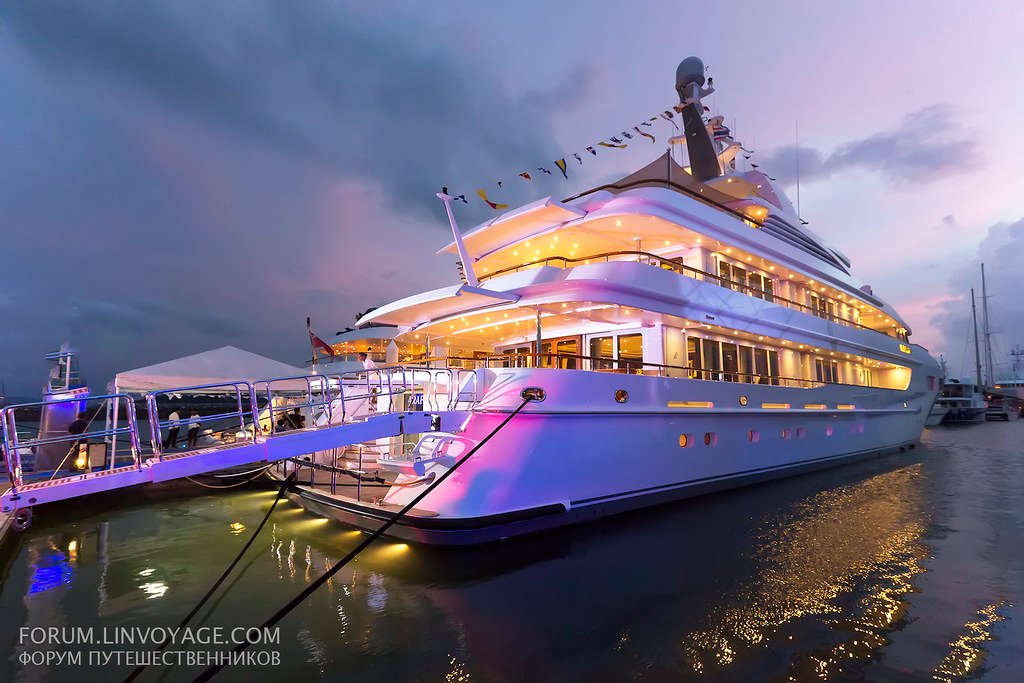
Luxury yachts are becoming a key investment for family offices, blending leisure and asset appreciation.

Discover how luxury collectibles are becoming essential assets for family offices in 2026.
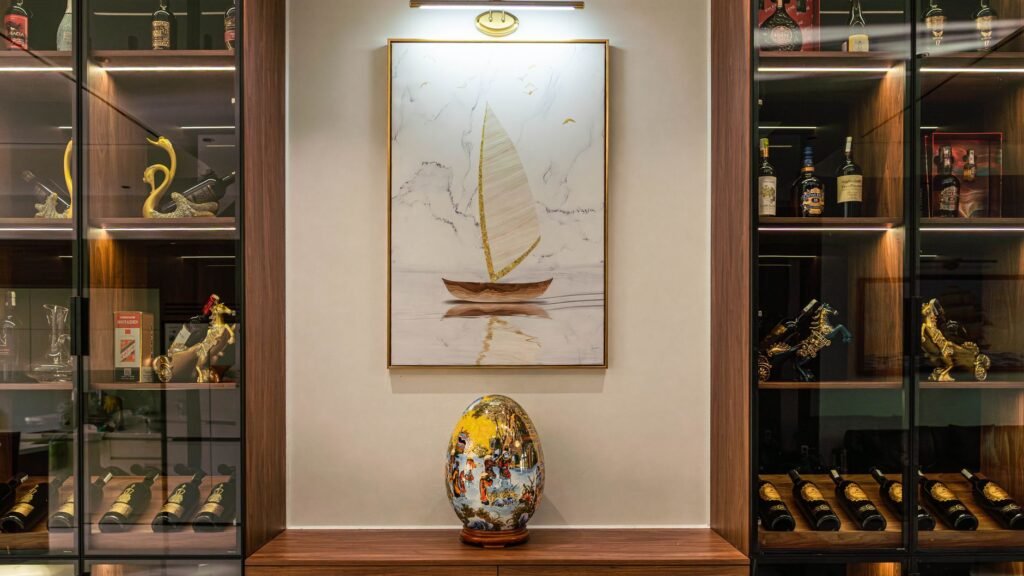
Discover why luxury collectibles are becoming essential assets for family offices.
Protected by reCAPTCHA — the Google Privacy Policy and Terms of Service apply.
Join the discussion
Comments are open to signed-in members. Sign in to add yours, or apply to join the network.
Sign in Apply for FON+