The Allure of Luxury Yachts: A Family Office Investment Perspective
Luxury yachts are becoming a key investment for family offices, blending leisure and asset appreciation.
Collecting vintage watches can be a rewarding pursuit, combining passion with investment potential. Understanding key factors is essential for a successful collection.
Vintage watches are defined not just by their age but also by their craftsmanship, history, and the stories they tell. Collectors often seek pieces that are rare, iconic, or have a significant historical background. A watch that marked a milestone in horological innovation or represented a notable era can dramatically increase its desirability and value.
When starting a collection, it’s vital to consider the historical context of each piece. For example, watches that were worn by notable figures or used in significant events can hold greater allure. Researching the provenance of a watch can reveal its past and add to its value. Additionally, certain brands have established a reputation for quality and innovation, which can impact the desirability of their vintage models.
The brand of a watch plays a crucial role in determining its market value. Renowned brands such as Rolex, Patek Philippe, and Audemars Piguet have dedicated followings and their vintage models often fetch high prices. Understanding the nuances of brand heritage, production techniques, and model variations can guide collectors in making informed decisions. Engaging with the community of collectors and experts can provide insights into the most sought-after brands and models.
Ensuring the authenticity of a vintage watch is paramount. Counterfeit watches are prevalent in the market, and a discerning collector should be familiar with the telltale signs of authenticity. This includes examining the watch’s movements, materials, and overall craftsmanship. Engaging a reputable appraiser or professional who specializes in vintage watches can provide peace of mind.
Provenance refers to the history of ownership of a particular watch. A well-documented history can significantly enhance a watch’s value. For instance, a watch that comes with its original box, papers, and service history is often more desirable than one without. Collectors should strive to acquire pieces with clear and verifiable provenance to ensure their investment’s integrity.
Proper storage is essential for maintaining the condition of vintage watches. Humidity, temperature fluctuations, and exposure to light can all degrade a timepiece over time. Using a dedicated watch box or display case can protect watches from environmental factors and reduce the risk of damage.
Insurance is a critical component of managing a vintage watch collection. Collectors should consider insuring their pieces to protect against loss, theft, or damage. Working with an insurance provider that understands the unique value of vintage watches can ensure appropriate coverage. Regular appraisals can help keep insurance policies updated in line with market values.
Understanding the valuation of vintage watches can be complex. The market is influenced by trends, collector demand, and the overall economy. Regularly consulting market reports and auction results can provide valuable insights into current values. However, personal sentiment and connection to specific pieces also play a crucial role in determining what collectors are willing to pay.
As with any valuable asset, succession planning is essential for vintage watch collections. Collectors should consider how their collection will be managed or passed down to future generations. This involves documenting the collection, its value, and any relevant history. Engaging family members in the collection process can ensure a continued appreciation for these pieces and help maintain their value over time.
Owning vintage watches requires practical considerations beyond acquisition. Regular maintenance is essential to keep watches in good working order. This may include periodic servicing by a qualified watchmaker, which can also affect the watch’s value. Collectors should also be aware of the costs associated with maintenance and repairs when evaluating the overall investment.
Joining watch enthusiast groups can enhance a collector’s knowledge and provide networking opportunities. Engaging with other collectors, attending watch shows, and participating in online forums can offer insights into market trends and best practices for preserving collections. Building relationships with reputable dealers can also facilitate access to rare finds and insider knowledge.
As vintage watches continue to gain traction among collectors, the dynamics of the market will evolve. Those who stay informed and connected will be better positioned to navigate the complexities of collecting these timeless pieces. The most successful collectors are those who blend passion with strategic insight, continuously seeking knowledge and understanding of both the art of horology and the nuances of the market.
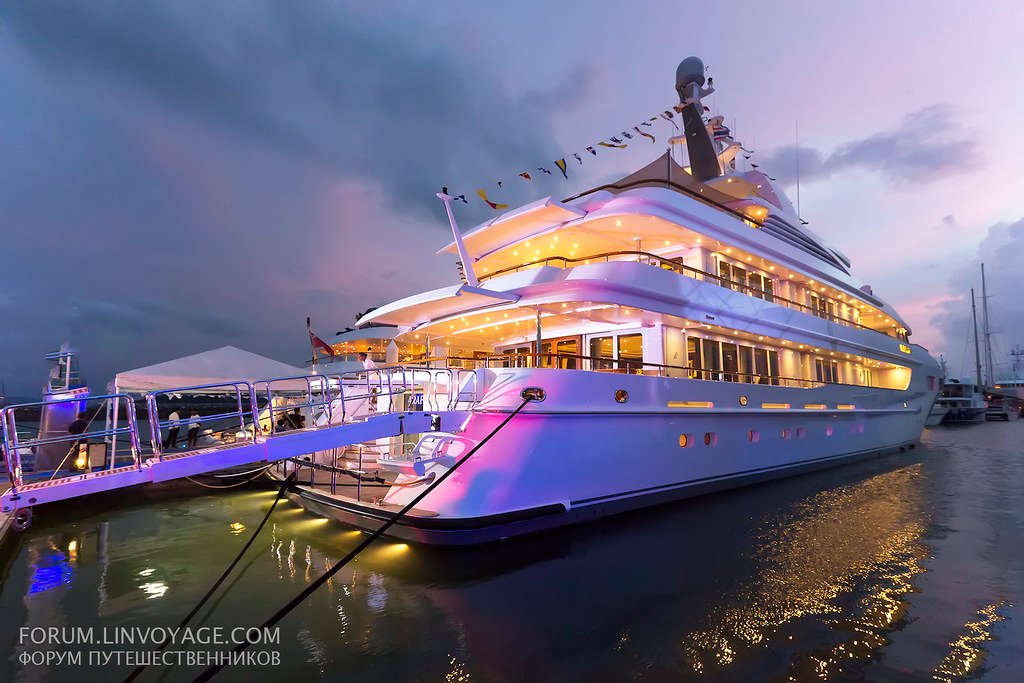
Luxury yachts are becoming a key investment for family offices, blending leisure and asset appreciation.
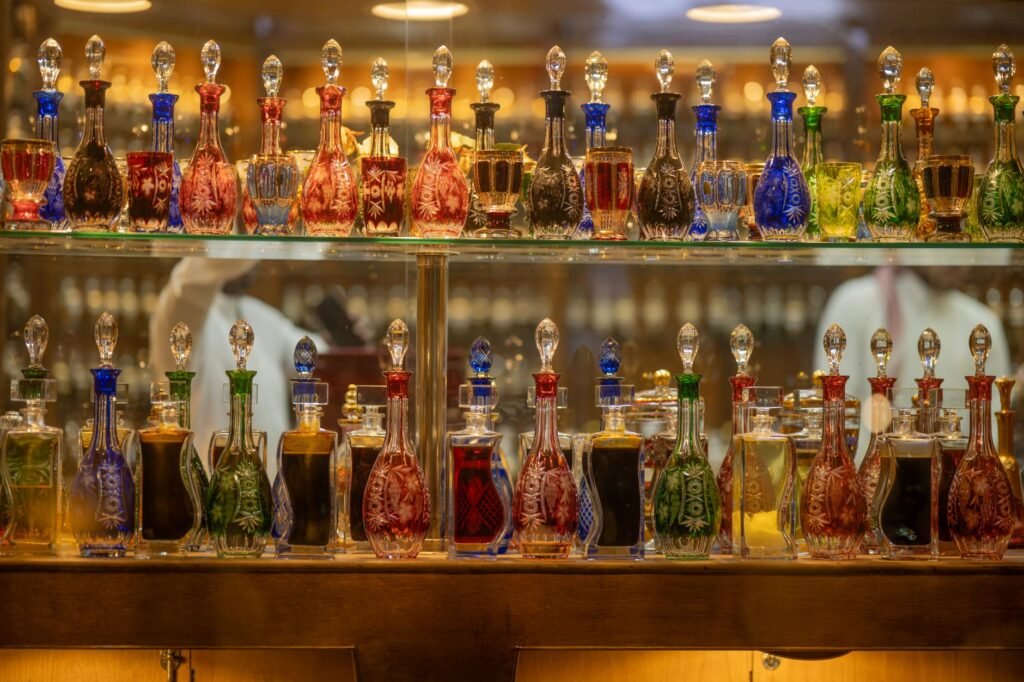
Discover how luxury collectibles are becoming essential assets for family offices in 2026.
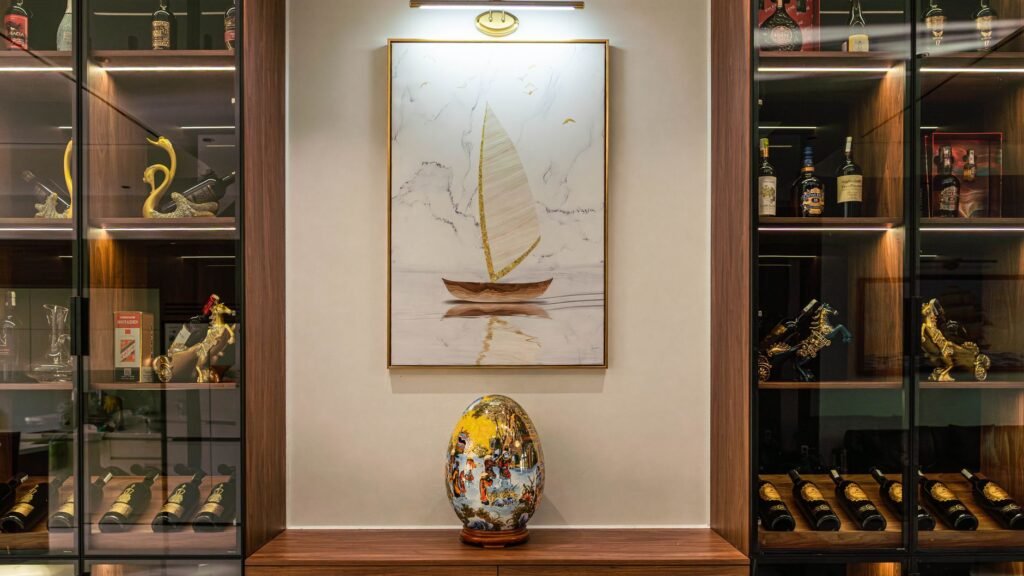
Discover why luxury collectibles are becoming essential assets for family offices.
Protected by reCAPTCHA — the Google Privacy Policy and Terms of Service apply.
Join the discussion
Comments are open to signed-in members. Sign in to add yours, or apply to join the network.
Sign in Apply for FON+