The Allure of Luxury Yachts: A Family Office Investment Perspective
Luxury yachts are becoming a key investment for family offices, blending leisure and asset appreciation.

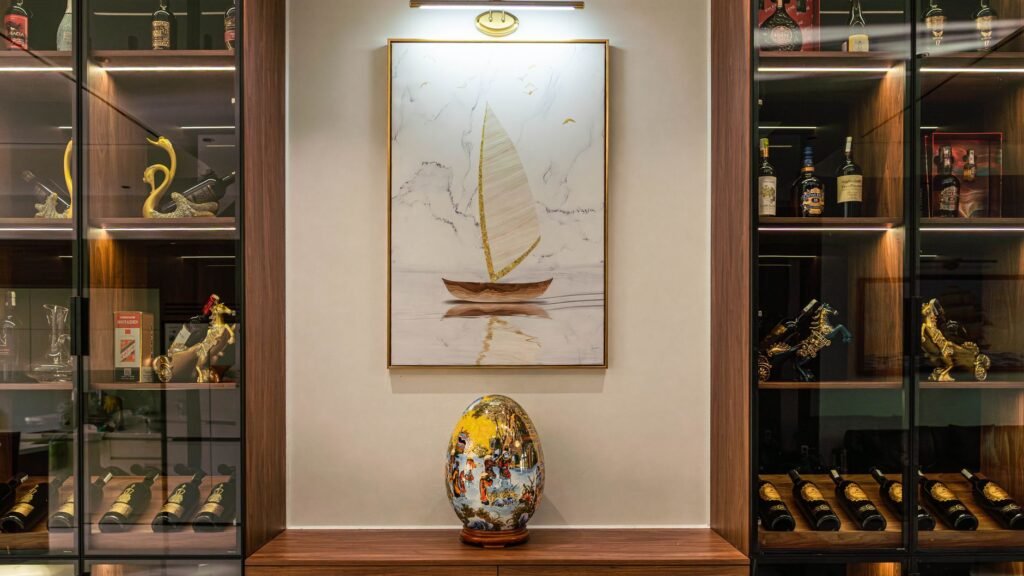
Wine is an investment that requires special care, and climate-controlled storage is essential for preserving its value and quality. Understanding how to create the perfect environment can significantly impact your wine collection.
Wine is a delicate asset that is significantly affected by its storage conditions. Temperature, humidity, light exposure, and vibration can all alter the quality of wine over time. The ideal storage environment for wine typically includes:
Creating a climate-controlled storage solution requires careful planning. Here are key considerations for designing the environment:
Choosing a suitable location for your wine storage is fundamental. Common locations include basements, dedicated wine rooms, or specially designed wine cellars. Each location should be away from direct sunlight and sources of heat.
Investing in climate control systems is vital for maintaining the ideal storage conditions. Options include:
Installing monitoring devices is essential for tracking the climate conditions within your storage area. Consider the following tools:
How you organize your wine collection can enhance your storage experience and help maintain the integrity of your assets. Here are strategies for effective organization:
Wine racks should be designed to hold bottles securely at an angle, keeping the cork moist and preventing air from entering. Options include:
Develop a system for categorizing and labeling your wine. Options include:
As with any collectible asset, having a clear understanding of your wine’s value and ensuring it is properly insured is critical. Consider the following steps:
As with any asset, planning for the future of your wine collection is crucial. Involve family members in discussions about the collection and establish guidelines for its future. Consider the following:
Creating a climate-controlled storage solution for wine not only protects a valuable asset but also enhances the enjoyment and appreciation of this collectible. As the market for collectible wines continues to evolve, family offices are increasingly recognizing the importance of proper storage and management.

Luxury yachts are becoming a key investment for family offices, blending leisure and asset appreciation.

Discover how luxury collectibles are becoming essential assets for family offices in 2026.
Discover why luxury collectibles are becoming essential assets for family offices.
Protected by reCAPTCHA — the Google Privacy Policy and Terms of Service apply.
Join the discussion
Comments are open to signed-in members. Sign in to add yours, or apply to join the network.
Sign in Apply for FON+