Strategic Allocation Trends for Family Offices in 2026
Discover the latest strategic allocation trends shaping family offices in 2026.

In recent years, the landscape of women’s business ownership in America has undergone a profound transformation. This shift not only highlights the growing presence of female entrepreneurs but also signals significant implications for wealth transfer between generations.
Women-owned businesses in the United States have become a force to be reckoned with, employing 12.9 million people, which accounts for about 9.6% of the total workforce. These businesses generate a staggering $1.9 trillion in annual revenue, reflecting their critical role in the economy, as reported by EntrepreneursHQ.
From 2019 to 2024, female entrepreneurs were responsible for an impressive 49% of all new businesses, marking a 69% increase in just five years, according to Empower. This surge in entrepreneurship among women indicates not only a shift in business ownership but also a change in societal attitudes towards women in leadership roles.
The rise of women-owned businesses is set to influence wealth transfer significantly. As more women become business owners, they are accumulating wealth that will eventually be passed down to the next generation. This generational shift in wealth is essential, as it may lead to a more equitable distribution of resources and opportunities.
Furthermore, revenue from women-owned businesses grew 53.8% between 2019 and 2024, according to EntrepreneursHQ. This financial growth equips women with the means to invest in their families and communities, setting the stage for a new paradigm in wealth management and philanthropy.
Despite the positive trends, female entrepreneurs continue to face unique challenges that can impact their businesses and wealth accumulation. Access to capital remains a significant barrier, as women often receive less funding than their male counterparts. This discrepancy can limit growth opportunities and the scaling of successful businesses.
However, the rise of networks and platforms dedicated to supporting women entrepreneurs is changing the narrative. Organizations focused on mentorship, funding, and resources are helping to bridge the gap, allowing more women to thrive in the business landscape.
Family offices can play a pivotal role in supporting women entrepreneurs by providing capital, mentorship, and strategic advice. As Andrew Schneider, Founder & CEO of Family Office Networks, emphasizes, “The best opportunities in this world are never advertised — they move through relationships.” This highlights the importance of building networks that connect female entrepreneurs with resources and opportunities that can help them succeed.
Moreover, as family offices look to diversify their investment portfolios, investing in women-owned businesses aligns with both financial and ethical objectives. Supporting female entrepreneurs not only fosters innovation but also contributes to societal change. For instance, direct investing strategies can be tailored to support these businesses effectively.

The future of women-owned businesses looks promising as more women step into leadership roles and drive change. The increasing visibility of female entrepreneurs in various industries serves as inspiration for the next generation of business leaders.
Additionally, as wealth continues to transfer to women, the focus on philanthropy and impact investing is expected to grow. Women are more likely to invest in social causes and community-driven initiatives, which can lead to significant societal benefits.
In a recent report, it was noted that women entrepreneurs are more likely to prioritize sustainable business practices, which aligns with the growing demand for corporate responsibility.
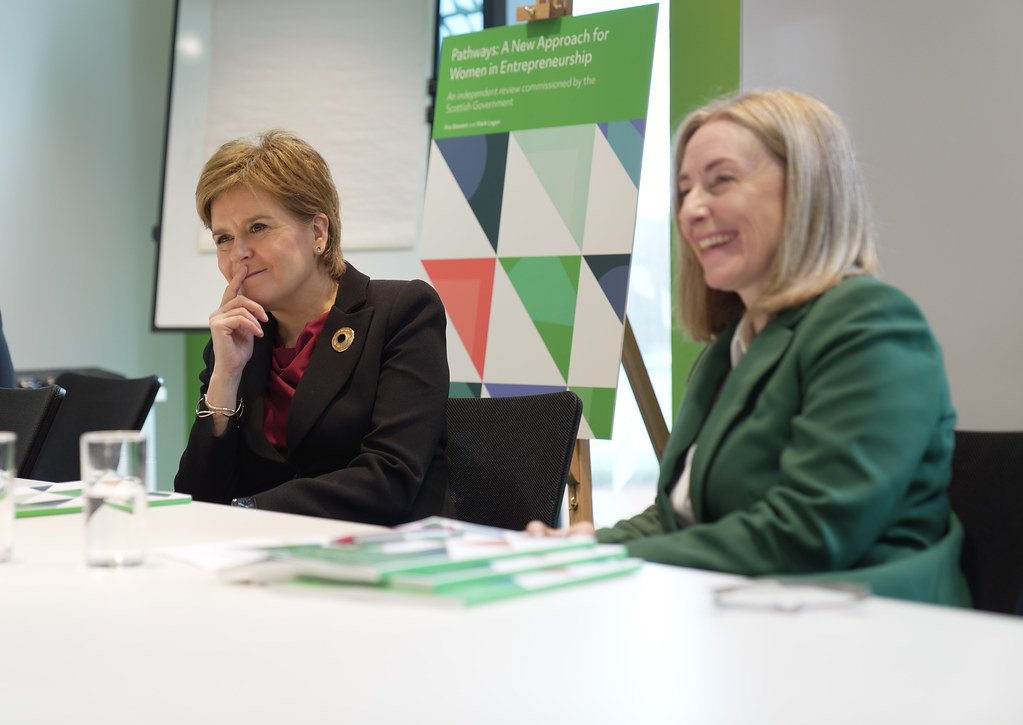
The shift towards greater women’s business ownership is not just a trend; it represents a fundamental change in how wealth is generated and transferred in America. As women continue to build and lead successful businesses, their influence will extend beyond the boardroom, shaping future generations and fostering a more equitable society.
Women-owned businesses employ 12.9 million people and generate $1.9 trillion in annual revenue, representing a significant part of the U.S. economy.
Female entrepreneurs accounted for 49% of all new businesses from 2019 to 2024, reflecting a substantial increase in women’s participation in entrepreneurship.
Women entrepreneurs often encounter barriers to capital access, which can limit their growth and scaling opportunities.
Family offices can provide capital, mentorship, and strategic advice, helping to bridge the gap for women-owned businesses. Additionally, understanding the evolving landscape of private credit can enhance their support.

Discover the latest strategic allocation trends shaping family offices in 2026.

Explore how direct investment trends are transforming family office strategies in 2026, driving flexibility and innovation in capital allocation.

Explore how flexibility in family office investing can enhance capital allocation strategies and lead to better opportunities.
Protected by reCAPTCHA — the Google Privacy Policy and Terms of Service apply.
Join the discussion
Comments are open to signed-in members. Sign in to add yours, or apply to join the network.
Sign in Apply for FON+