Emerging Trends in Real Estate for Family Offices
Discover emerging trends in real estate for family offices and how they adapt to dynamic markets.
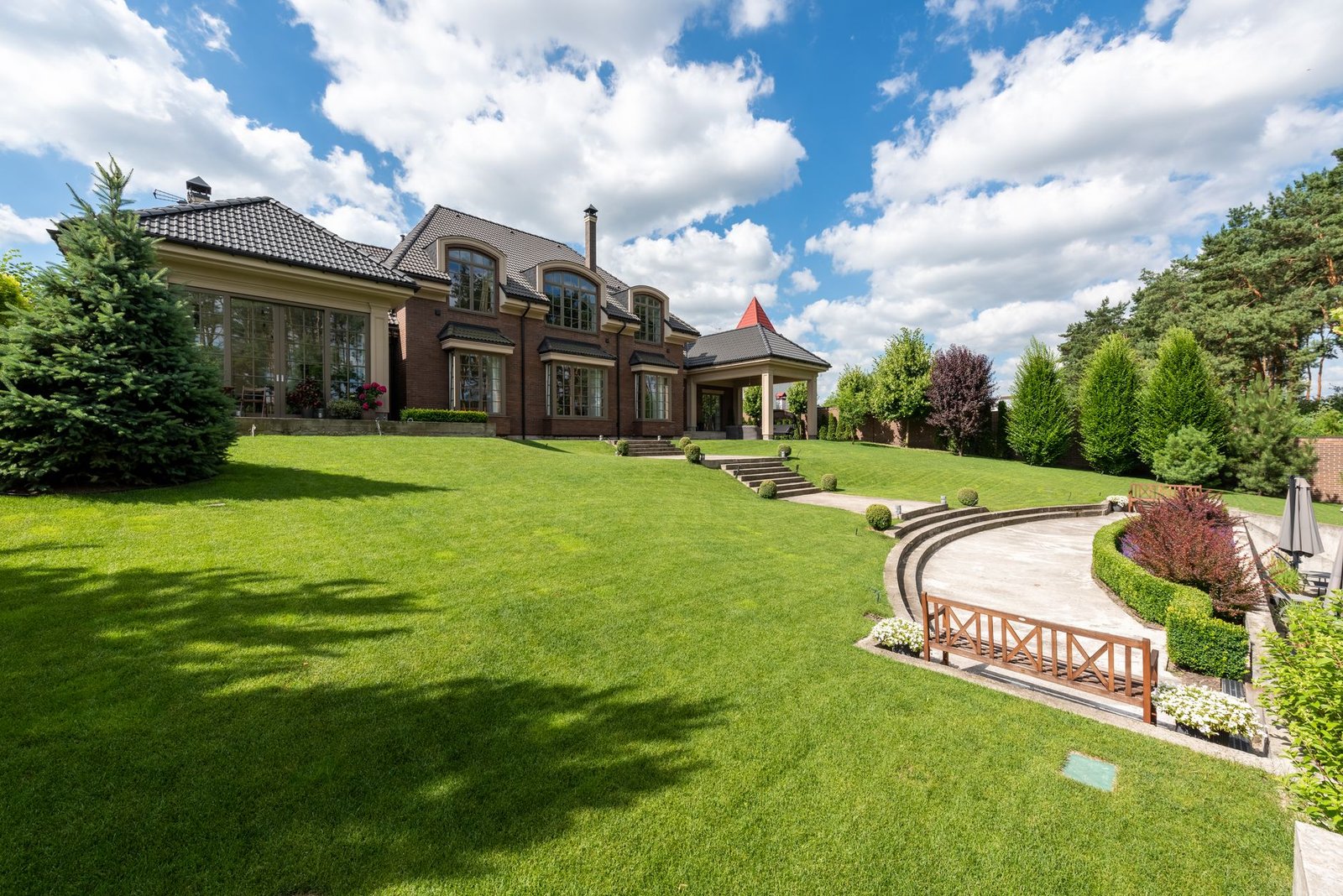
Family offices are increasingly drawn to trophy real estate investments, reshaping their portfolios to include high-value properties that offer both prestige and potential returns. In today’s market, this trend is more pronounced than ever, driven by changing wealth dynamics and a desire for stable, tangible assets.
Trophy real estate refers to high-quality, prestigious properties located in prime locations. These assets typically include luxury residential buildings, iconic commercial properties, and expansive estates. Not only do they carry a significant price tag, but they also come with a storied history or unique architectural features that appeal to ultra-high-net-worth individuals (UHNWIs).
Factors that contribute to a property being classified as trophy include:
As reported in a recent piece by Family Office Networks, the ultra-luxury real estate market has seen a remarkable surge in interest from family offices. This uptick is partly due to the ongoing recovery from the pandemic, which has prompted a re-evaluation of investment strategies.
Family offices are increasingly prioritizing real estate as a hedge against market volatility, especially in light of rising inflation and fluctuating stock markets. As they seek stability, trophy properties provide not only a safe investment but also a way to enhance legacy and status. Additionally, luxury real estate is becoming a growing frontier for family offices looking to diversify their portfolios.

When considering trophy real estate, family offices must navigate several strategic factors to ensure they are making informed investment decisions. Here are key considerations:
Wealth does not come with an instruction manual. The closest thing is a community of principals who have already navigated what you are facing.
— Priya Harrington, Head of Direct Investments, Family Office
The landscape of trophy real estate is often characterized by a lack of transparency and limited availability. As Andrew Schneider, Founder & CEO of Family Office Networks, puts it,
This emphasizes the importance of networking and building relationships within real estate circles.The best opportunities in this world are never advertised — they move through relationships. Our job is to be the room where those relationships form.
— Andrew Schneider, Founder & CEO, Family Office Networks
Family offices that leverage their networks can gain access to off-market deals and exclusive properties that would not be available through traditional channels. Engaging with trusted advisors, real estate agents, and fellow investors can open doors to valuable insights and opportunities. Understanding the importance of due diligence in real estate transactions is crucial for making informed decisions.
Looking ahead, the trophy real estate market is poised for continued growth. Recent reporting highlights how shifting demographics and the rise of remote work are influencing residential preferences, leading to increased interest in suburban trophy properties.
Additionally, family offices are recognizing the value of sustainable and eco-friendly properties, aligning their investments with broader trends in sustainability and social responsibility.
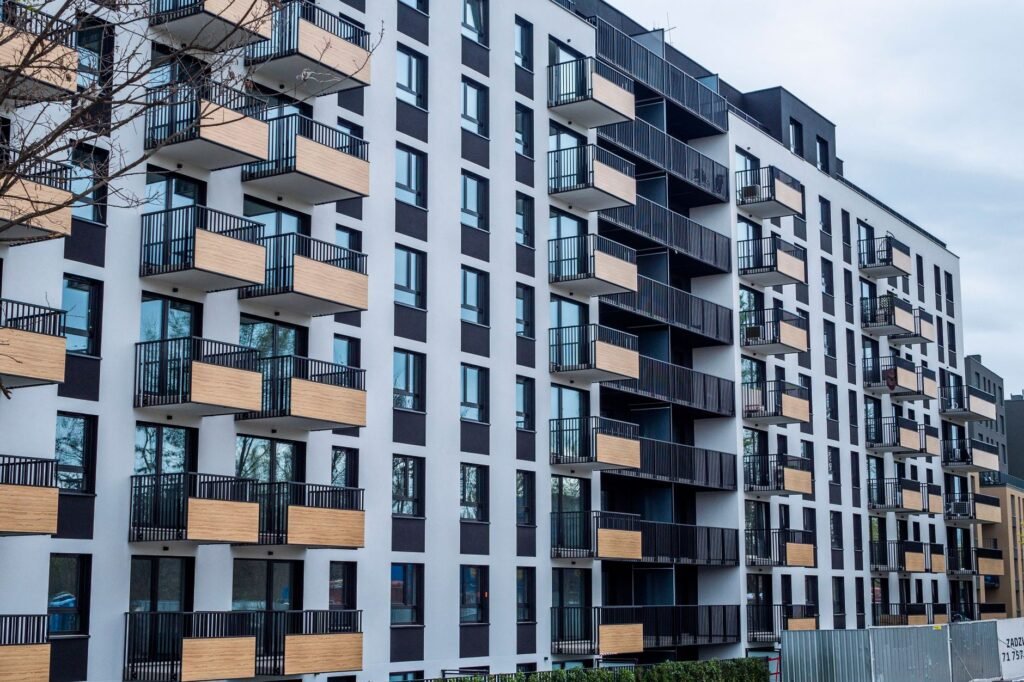
Despite the allure of trophy real estate, family offices must also be aware of potential challenges:
Trophy real estate refers to prestigious properties in prime locations that carry significant value and appeal to UHNWIs.
Family offices can access trophy real estate deals through strong networks, relationships with real estate professionals, and participation in exclusive investment groups.
Key risks include market fluctuations, high maintenance costs, regulatory changes, and potential emotional decision-making.

Discover emerging trends in real estate for family offices and how they adapt to dynamic markets.

Discover how family offices are strategically investing in trophy real estate.

Explore how family offices are adapting their trophy real estate strategies in 2026.
Protected by reCAPTCHA — the Google Privacy Policy and Terms of Service apply.
Join the discussion
Comments are open to signed-in members. Sign in to add yours, or apply to join the network.
Sign in Apply for FON+