Collecting Luxury Assets: Family Offices Embrace New Trends
Discover how family offices are redefining luxury asset investments in 2026.
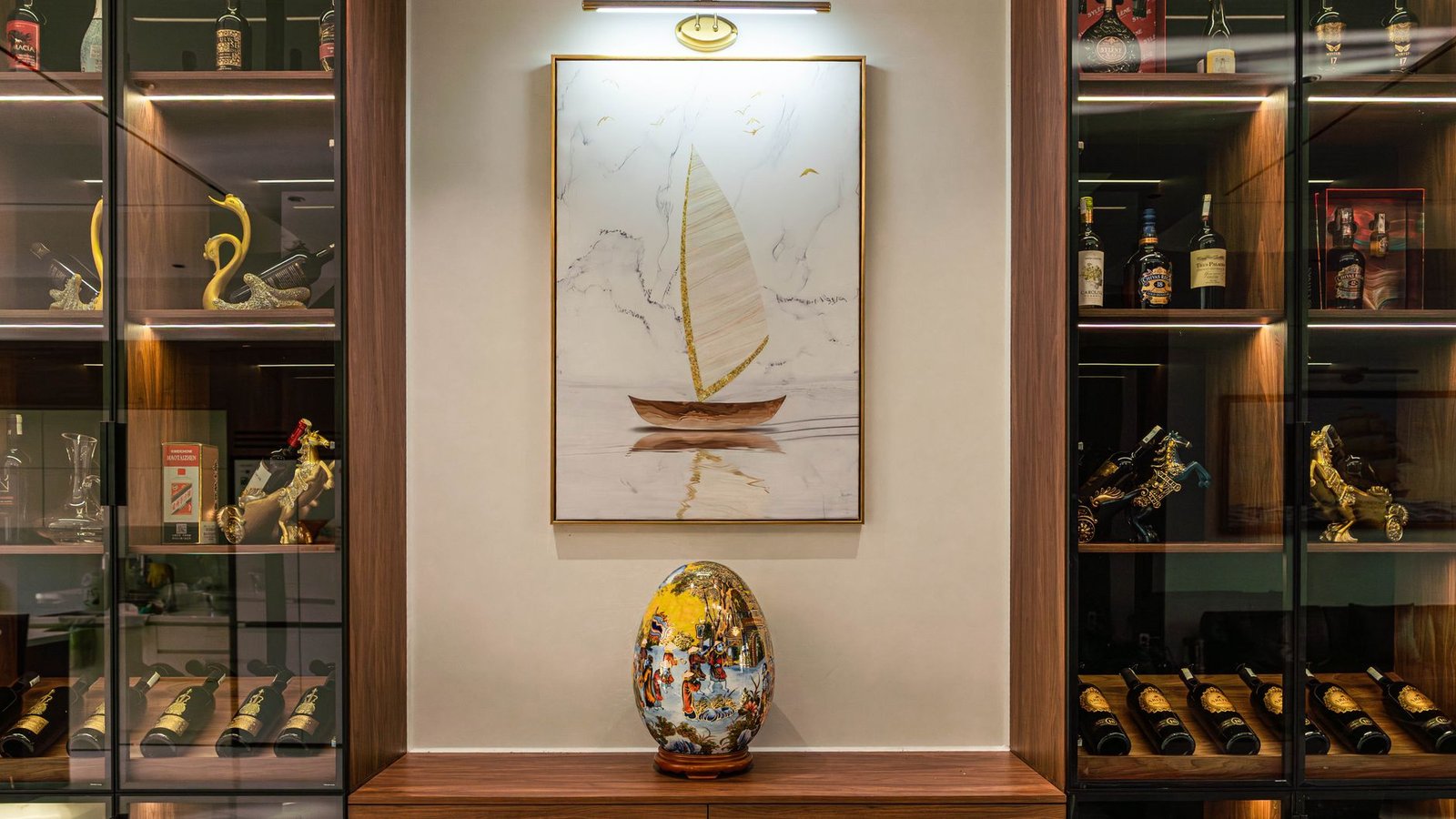
Luxury collectibles are increasingly viewed as strategic investments for family offices looking to diversify their portfolios and safeguard wealth. This trend is driven by evolving market dynamics and the desire for tangible assets that appreciate over time.
As we navigate 2026, the landscape of luxury collectibles has transformed significantly. Family offices are increasingly recognizing the potential of these assets not just for enjoyment, but as viable investment vehicles. From fine art to rare automobiles, the appeal of luxury collectibles is multifaceted, combining aesthetic pleasure with financial prudence.
Luxury collectibles provide a unique opportunity to invest in tangible assets that often appreciate in value over time. Unlike traditional investments, collectibles can offer emotional satisfaction and a sense of legacy. Family offices are especially well-positioned to acquire high-value items due to their access to exclusive markets and networks.
Recent reporting from Family Office Networks highlights how family offices are increasingly diversifying their portfolios with luxury collectibles. This trend includes not just traditional items like fine art and rare wines, but also modern additions such as collectible sneakers and vintage watches. Additionally, family offices are shaping the luxury market through fine art ownership, which continues to be a significant area of investment.

As family offices explore new avenues, several categories of collectibles are gaining traction:
For family offices contemplating entering the world of luxury collectibles, strategic planning is essential. Here are several best practices to consider:
As technology continues to evolve, family offices are leveraging it to enhance their collecting strategies. Digital platforms enable easier access to markets, while advanced analytics assist in assessing value trends.
Moreover, recent developments indicate that family offices are increasingly utilizing AI to identify collectible trends and forecast value appreciation. This analytical approach allows for more informed investment decisions, particularly in fast-moving markets.

As Andrew Schneider, Founder of Family Office Networks, emphasizes, “The best opportunities in this world are never advertised — they move through relationships.” Building a trusted network is critical in the luxury collectibles market, where access to exclusive items often hinges on personal connections.
Family offices should prioritize networking within this niche, attending auctions, exhibitions, and private viewings. Engaging with other collectors can yield insights and opportunities that are not widely available.
While luxury collectibles can be profitable, they also come with risks and challenges. Market volatility can impact values, and liquidity can be an issue depending on the collectible. Additionally, the need for ongoing maintenance, storage, and insurance can add to the total cost of ownership.
Family offices must weigh these factors carefully, ensuring they have the necessary expertise and resources to navigate the complexities of the luxury collectible market.
Family offices are investing in fine art, rare wines, luxury watches, classic automobiles, and even digital collectibles like NFTs.
They assess factors such as rarity, provenance, market demand, and condition, and often engage experts for appraisals.
Networking opens doors to exclusive opportunities and insights that can significantly enhance investment strategies.
Risks include market volatility, liquidity issues, and ongoing costs for maintenance and insurance.

Discover how family offices are redefining luxury asset investments in 2026.

Family offices are redefining fine art ownership, merging investment with passion and heritage.

Family offices are increasingly investing in luxury yachts as unique assets. Discover the dynamics driving this trend.
Protected by reCAPTCHA — the Google Privacy Policy and Terms of Service apply.
Join the discussion
Comments are open to signed-in members. Sign in to add yours, or apply to join the network.
Sign in Apply for FON+