The Allure of Luxury Collectibles: A Family Office Perspective
Discover why luxury collectibles are becoming essential assets for family offices.
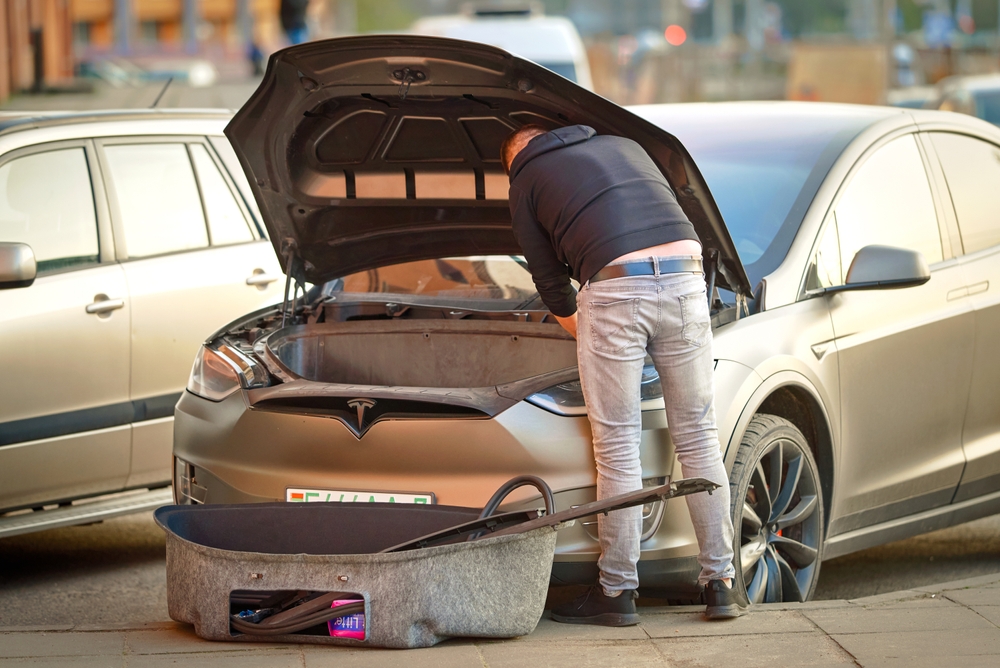
You’ve probably heard all the hype about electric vehicles being the future of transportation. But before you rush out to trade in your trusty gas-guzzler, you might want to pump the brakes. EVs aren’t all they’re cracked up to be, and recent events have exposed some serious flaws. Remember Hurricane Hellen? It left EV owners stranded with dead batteries and no way to charge up. Despite the government’s push, consumers just aren’t buying into the electric dream. Sales are falling flat, and for good reason. From range anxiety to sky-high prices, EVs come with a laundry list of drawbacks that’ll make you think twice about going electric.
When it comes to electric cars, there’s a lot of hype – but also some serious drawbacks. Let’s take an honest look at why electric vehicles might not be the automotive savior they’re made out to be.
One of the biggest issues with electric cars is their limited range and lack of charging infrastructure. According to a recent study, 52% of consumers cite lack of charging stations as the top reason for not considering an EV. Unreliable electric cars can leave you stranded if you can’t find a working charger.
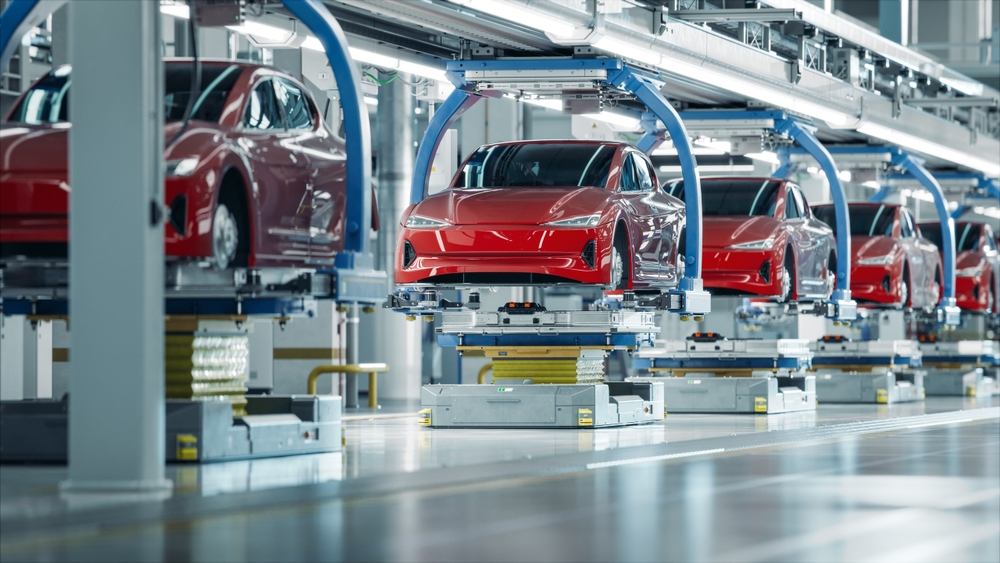
Despite government incentives, EVs remain significantly more expensive than gas-powered cars. The average EV costs about $18,000 more than a comparable gas vehicle. This steep price tag has led to underperforming sales, with consumer interest in EVs declining for four straight months. The negative aspects of electric vehicles are becoming harder for consumers to ignore.
You might be wondering why electric cars are bad in some people’s eyes. One major issue is reliability, especially during emergencies. According to a recent report, EV batteries drain quickly in cold weather, leaving drivers stranded. This unreliability makes many hesitant to switch from trusty gas-powered vehicles.
The high price tag of electric vehicles is another turn-off. A Pew Research study found that only 38% of Americans would seriously consider an EV for their next purchase, down from last year. Many doubt the country can build enough charging stations to support widespread EV adoption. There are also concerns about the environmental impact of battery production and electricity generation for charging.
Negative electric vehicle perceptions often stem from “range anxiety” – the fear of running out of power mid-trip. While improving, current EV ranges and charge times still can’t match the convenience of quick gas fill-ups for long journeys. This limitation makes some view EVs as impractical for their lifestyle needs.
You’ve probably heard all the hype about electric vehicles (EVs) being the future of transportation. But what they’re not telling you is the whole truth. Let’s pull back the curtain on some of the misleading claims.
While EVs are touted as eco-friendly, the reality is more complex. According to a study, many consumers choose EVs for reputation rather than true environmental concern. The production and charging of electric cars are bad for the environment too, often creating more emissions than gas-powered vehicles.
Don’t be fooled by government subsidies. EVs still cost about $18,000 more than gas cars on average. Add in potentially expensive repairs and unreliable electric cars during disasters like hurricanes, and the true cost skyrockets.
Despite the push for EVs, charging infrastructure remains a major hurdle. Range anxiety is real, and long-distance travel can be a nightmare. The truth is, we’re far from ready for a full transition to electric.
The negative aspects of electric vehicles are often glossed over, but it’s crucial to consider all factors before making the switch.

When disaster strikes, electric cars are bad news. During events like Hurricane Helen, electric vehicles prove unreliable. With power outages common, charging becomes impossible, leaving you stranded. According to the BBC, the scarcity of public charging stations exacerbates this issue, making EVs a risky choice in crisis situations.
While government policies push for EV adoption, consumers aren’t getting excited. The high upfront costs and hidden expenses are major turnoffs. The Hill reports that taxpayers bear a hefty burden, with subsidies costing around $50,000 per vehicle sold. Moreover, the environmental benefits are questionable. The production of EV batteries often involves unethical labor practices and environmental damage. Even the “zero-emission” label is misleading, as most electricity still comes from fossil fuels.
Despite the hype, negative electric vehicles sentiment is reflected in underwhelming sales figures. Consumers prefer the convenience and reliability of gas-powered cars. The hassle of charging, reduced range in cold weather, and limited model options contribute to the lukewarm reception. Until these issues are addressed, many will continue to view EVs as an impractical and unreliable electric cars alternative.
As electric vehicles (EVs) gain popularity, you might wonder how the power grid will keep up. The truth is, unreliable electric cars could strain our energy infrastructure more than you think.
According to experts, widespread EV adoption could increase electricity demand by a whopping 20% by 2030. That’s a massive jump compared to the mere 5% growth we’ve seen in the last decade. Imagine the stress on an already aging grid!
The surge in EV charging could lead to overloading, voltage instability, and even frequency variations. Translation? More blackouts and unreliable power supply. It’s clear that electric cars are bad news for grid stability.
Sure, there are proposed fixes like “smart charging” and “vehicle-to-grid” technology. But let’s be real – these are just band-aids on a much bigger problem. The negative aspects of electric vehicles extend far beyond your driveway, potentially impacting entire communities’ access to reliable power.
When considering electric cars, it’s crucial to look beyond the vehicle itself. Sure, electric vehicles (EVs) produce no direct tailpipe emissions, but the electricity powering them isn’t always clean. This is where negative electric vehicles start to show their true colors.
You might think you’re driving a zero-emission vehicle, but if your electricity comes from coal-fired power plants, you’re just moving the pollution upstream. According to the EPA, the carbon footprint of an EV depends heavily on how your local grid generates electricity. In regions relying on fossil fuels, electric cars are bad for the environment, potentially negating their supposed benefits.
For EVs to truly shine, we need a greener grid. But transitioning to renewable energy sources isn’t happening overnight. Until then, unreliable electric cars continue to draw power from a dirty grid, making their environmental impact questionable at best. It’s a classic case of “out of sight, out of mind” – the emissions are just happening somewhere else.
You might have heard that electric cars are bad, but is there truth to this claim? According to a Consumer Reports survey, electric vehicles (EVs) are indeed less reliable on average than their gas-powered counterparts. Owners frequently report issues with batteries, charging systems, and even body panels. While reliability is improving as manufacturers gain experience, these concerns persist.
Beyond reliability, there are other factors making EVs a hard sell. The Heritage Foundation points out that EVs tend to be pricier than equivalent gas cars. Plus, recharging can be time-consuming, especially if you can’t charge at home. Throw in reduced range in cold weather, and you’ve got a recipe for consumer hesitation.
Despite government incentives, EV sales are falling short of ambitious targets. Industry experts note that unreliable electric cars are taking twice as long to sell compared to earlier in 2023. With supply outpacing demand, some automakers are even scaling back production plans. It seems the road ahead for EVs might be bumpier than expected.
So, there you have it – the not-so-rosy reality of electric vehicles. While the government keeps pushing them, it’s clear that EVs still have a long way to go before they’re ready for prime time. From their unreliability during disasters to lackluster sales, these eco-friendly rides are facing some serious roadblocks. Look, we all want to do our part for the environment, but at what cost? Until EVs can match the convenience, reliability, and affordability of good ol’ gas guzzlers, it might be best to pump the brakes on that electric dream. For now, stick with what works and let’s see how this EV experiment plays out.

Discover why luxury collectibles are becoming essential assets for family offices.

Discover how family offices are redefining luxury asset investments in 2026.

Family offices are redefining fine art ownership, merging investment with passion and heritage.
Protected by reCAPTCHA — the Google Privacy Policy and Terms of Service apply.
Join the discussion
Comments are open to signed-in members. Sign in to add yours, or apply to join the network.
Sign in Apply for FON+