The Allure of Luxury Yachts: A Family Office Investment Perspective
Luxury yachts are becoming a key investment for family offices, blending leisure and asset appreciation.

Understanding market demand for collectibles is essential for optimizing buying and selling strategies across various asset classes. The landscape of collectible assets is nuanced and requires a strategic approach to ensure value preservation and growth.
Collectibles, often categorized as passion assets, encompass a range of items from fine art and classic cars to rare wines and luxury watches. These assets can form a significant part of a family’s investment portfolio, providing both enjoyment and potential financial returns. However, the valuation of collectibles is not straightforward, as it depends heavily on market demand, provenance, and condition.
Provenance refers to the history and documentation of an item, detailing its origin and ownership lineage. Items with verifiable provenance tend to command higher prices due to their authenticity and historical significance. Buyers should scrutinize the provenance of a collectible to assess its legitimacy and potential resale value.
Before purchasing any collectible, proper authentication is crucial. Engaging reputable experts or third-party platforms can help confirm an item’s authenticity. Valuation should be based on current market trends, historical sales data, and condition assessments. Collectors often leverage auction results and market reports to inform their decisions.
Understanding market trends is vital for making informed decisions regarding buying and selling collectibles. Various factors can influence demand, including cultural shifts, economic conditions, and changes in consumer preferences. Observing trends over time can offer insights into which categories of collectibles are gaining traction or losing appeal.
Different categories of collectibles exhibit unique market dynamics. For instance, fine art has seen a surge in interest from younger collectors, driven by digital platforms that facilitate access to previously exclusive markets. Similarly, classic cars have become a popular investment as enthusiasts seek vehicles with historical significance and rarity. Evaluating which categories resonate with current collectors can guide purchasing strategies.
Proper storage solutions are essential for preserving the condition of collectibles. Environmental factors such as temperature, humidity, and light exposure can significantly affect an asset’s integrity. Additionally, securing adequate insurance coverage is critical to mitigate potential losses. Insurers typically require detailed documentation and appraisals to assess risk accurately.
Succession planning is essential for families with significant collectible assets. Establishing a clear strategy for passing on these items can help maintain their value and significance across generations. Families should consider creating a formal plan that includes:
Next-generation involvement can increase the longevity and appreciation of a collectible portfolio. Educating younger family members about the significance of each asset can foster a deeper connection and appreciation. This involvement may also lead to innovative approaches to expanding or diversifying the collection.
Owning collectibles entails various practical considerations beyond acquisition. Family offices must implement effective management practices to ensure these assets are preserved and valued appropriately. This includes continuous market research, networking within collector communities, and adapting to shifts in demand.
Working with specialists in the collectible market can offer significant advantages. Advisors can provide insights into emerging trends, assist with appraisals, and facilitate transactions. Developing relationships with auction houses, galleries, and dealers can also open doors to exclusive opportunities.
While collectibles can enhance a family’s balance sheet, it is important to maintain a diversified investment strategy. Balancing collectible investments with more traditional asset classes can mitigate risks associated with market fluctuations. A holistic view of asset allocation will help ensure that collectibles serve their intended role within a broader financial plan.
Investors should consider provenance, market trends, storage, insurance, and potential resale value. Understanding these factors can significantly impact investment decisions.
Engaging reputable experts or third-party authentication services can help verify the authenticity of collectibles before purchase.
Store collectibles in controlled environments, paying attention to temperature, humidity, and light exposure, to preserve their condition.
Involve heirs in discussions about the collection, educate them about its significance, and consider their preferences when planning for succession.
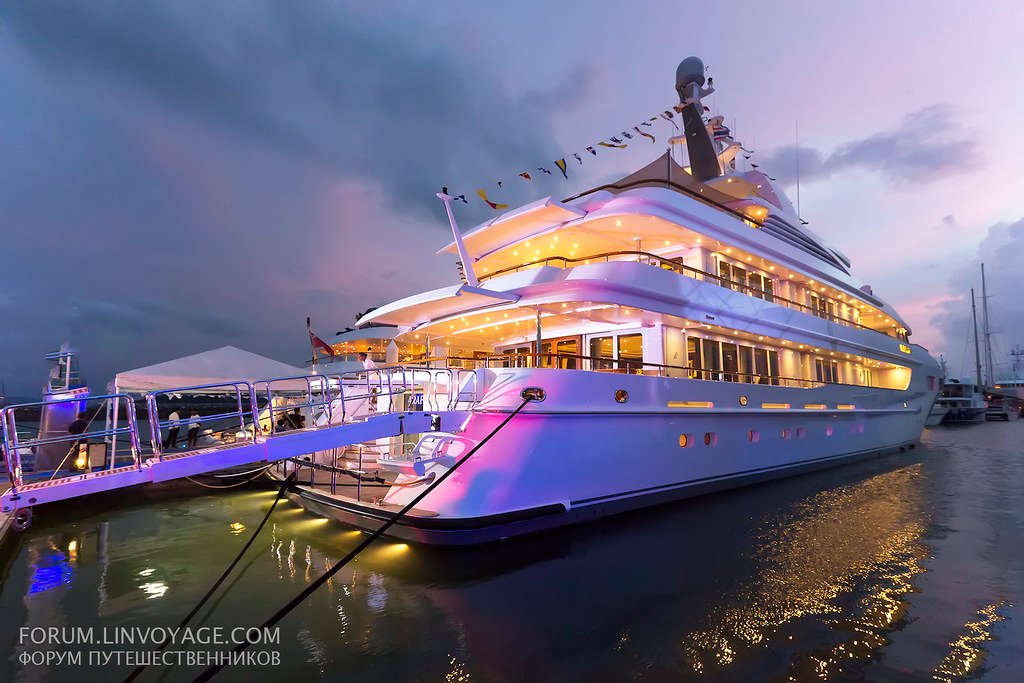
Luxury yachts are becoming a key investment for family offices, blending leisure and asset appreciation.

Discover how luxury collectibles are becoming essential assets for family offices in 2026.
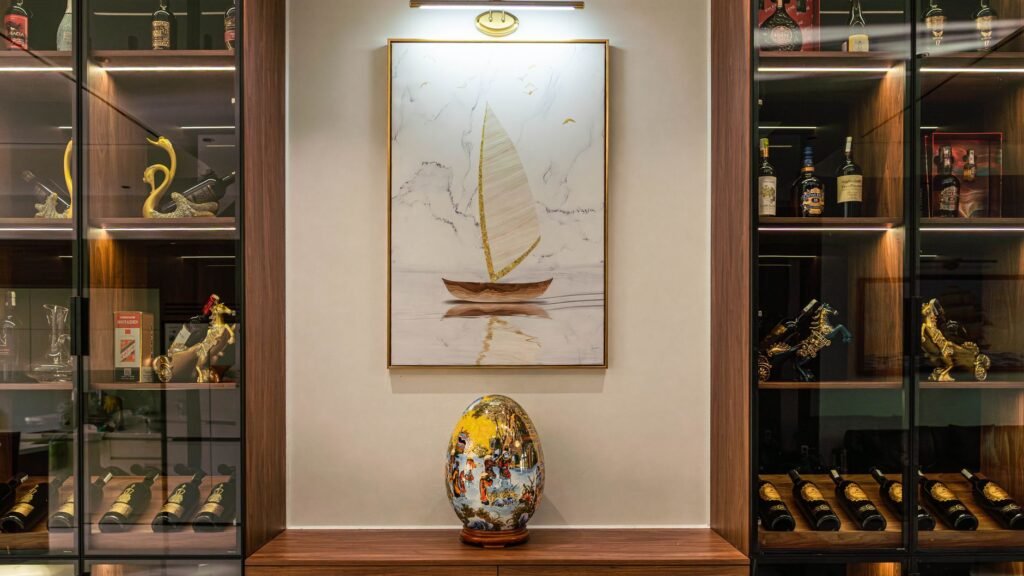
Discover why luxury collectibles are becoming essential assets for family offices.
Protected by reCAPTCHA — the Google Privacy Policy and Terms of Service apply.
Join the discussion
Comments are open to signed-in members. Sign in to add yours, or apply to join the network.
Sign in Apply for FON+