The Allure of Luxury Yachts: A Family Office Investment Perspective
Luxury yachts are becoming a key investment for family offices, blending leisure and asset appreciation.
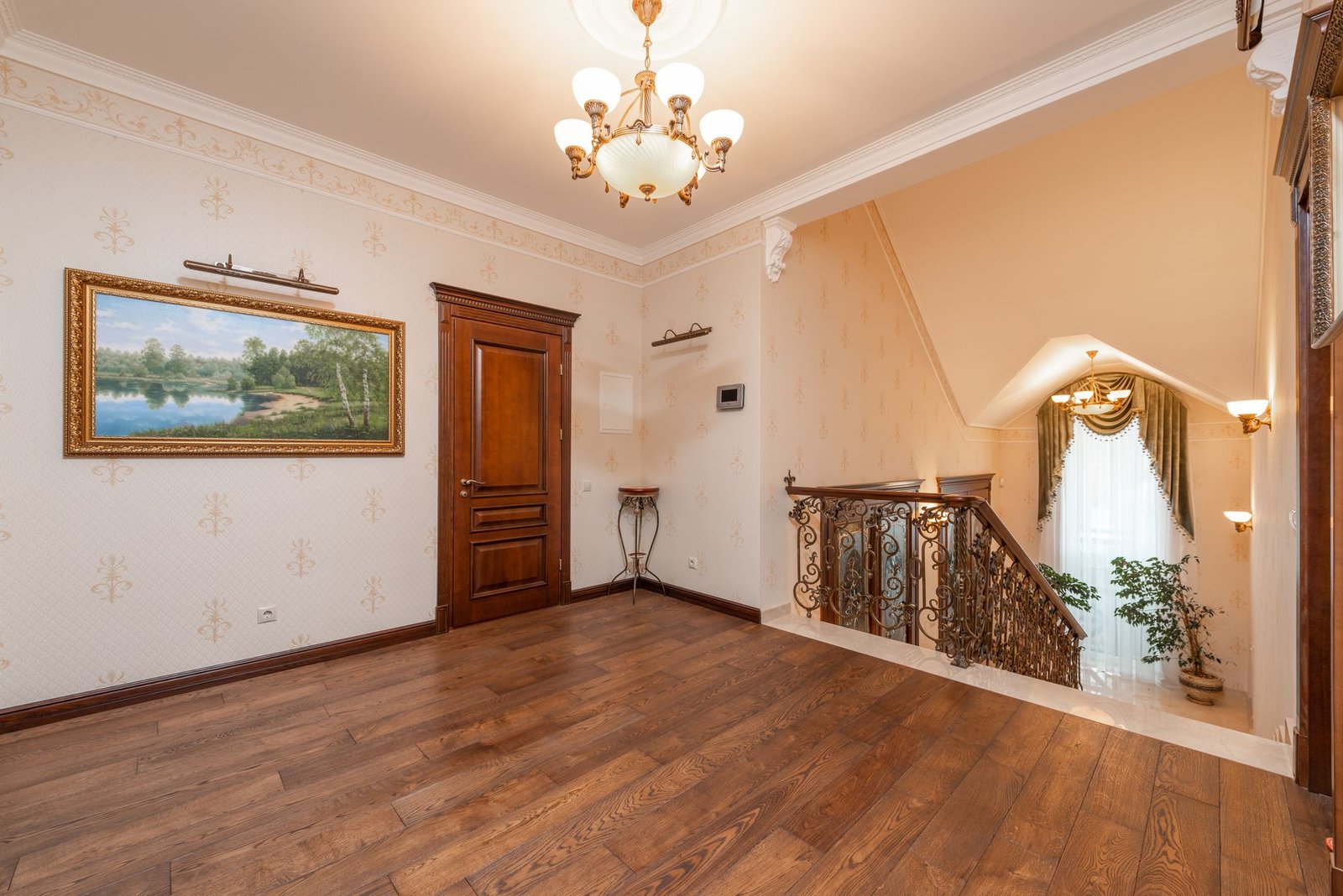
The condition of an artwork can significantly impact its value and marketability. Understanding how to assess and maintain this condition is crucial for collectors and family offices managing passion assets.
Evaluating the physical condition of an artwork requires a combination of visual inspection and scientific analysis. The main factors include surface integrity, structural stability, and material degradation. Art conservators typically use various techniques to assess these conditions, which can inform owners about necessary restoration efforts and overall value.
Visual inspection is the foundational step in assessing an artwork’s condition. This process involves looking for signs of damage, wear, or changes in appearance. Key aspects to examine include:
Notably, the condition of the frame, if applicable, can also play a role in the overall evaluation.
In addition to visual inspection, scientific methodologies enhance the accuracy of condition assessments. Common techniques include:
These methods provide insights that go beyond what the naked eye can detect, making them invaluable for serious collectors.
The physical condition of artworks directly influences their valuation. Buyers often factor in the state of the artwork when determining a price, as well as potential restoration costs. Understanding how to maintain and improve condition can be a significant part of a family office’s asset management strategy.
Provenance, or the history of ownership, is pivotal in establishing an artwork’s value. However, its significance is heightened when integrated with condition reports. A thorough documentation of condition assessments can enhance provenance by providing transparency regarding the artwork’s care and maintenance history. This may help in:
Insurance is another critical aspect connected to the condition of artworks. Insurers typically require detailed condition reports to assess risk and determine premiums. A well-maintained artwork with a documented condition history may qualify for lower premiums and more comprehensive coverage. Collectors should consider the following when insuring artworks:
Beyond valuation, owning artworks entails practical considerations regarding storage, display, and conservation. Family offices should develop a comprehensive approach to managing these assets.
Optimal storage conditions are essential for preserving artworks. Factors to consider include:
Artworks should be displayed thoughtfully, considering factors such as lighting and exposure. Proper framing and mounting techniques can further protect pieces from environmental damage.
Incorporating artworks into succession planning is vital for preserving family legacies. Clear documentation of each piece’s provenance, condition reports, and maintenance history can facilitate smoother transitions between generations. Family offices should aim to educate successors on the value of their collections and the importance of maintaining them.
The principles outlined for artworks extend to other collectibles, such as watches, wine, classic cars, and jewelry. Each category has unique considerations:
By applying best practices in condition assessment and maintenance across all passion assets, family offices can enhance their overall value and ensure these treasures are preserved for future generations.
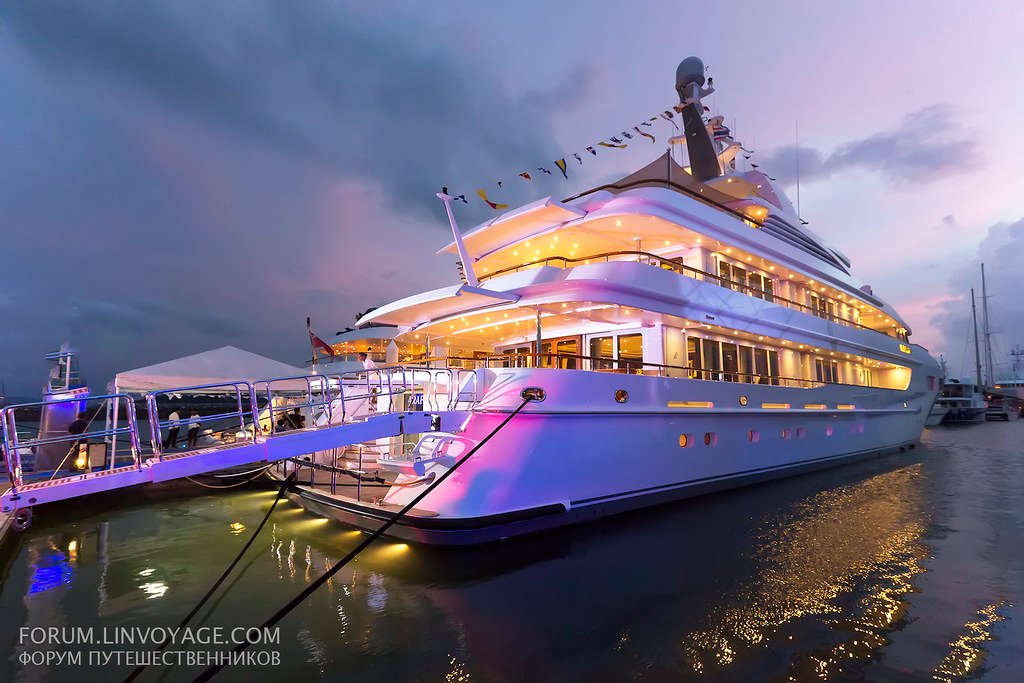
Luxury yachts are becoming a key investment for family offices, blending leisure and asset appreciation.
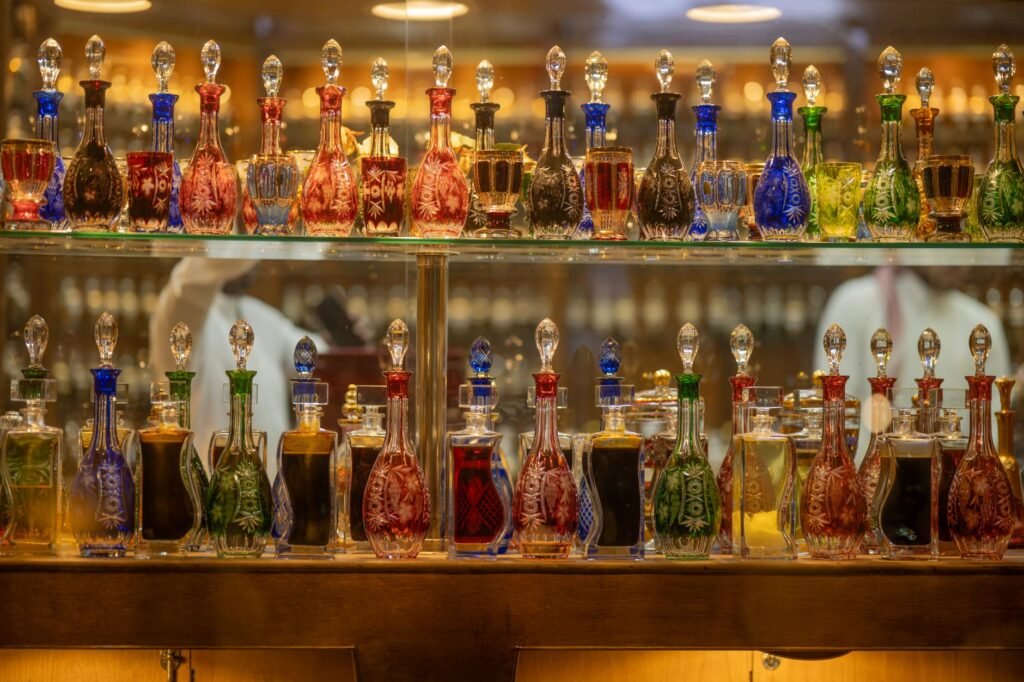
Discover how luxury collectibles are becoming essential assets for family offices in 2026.
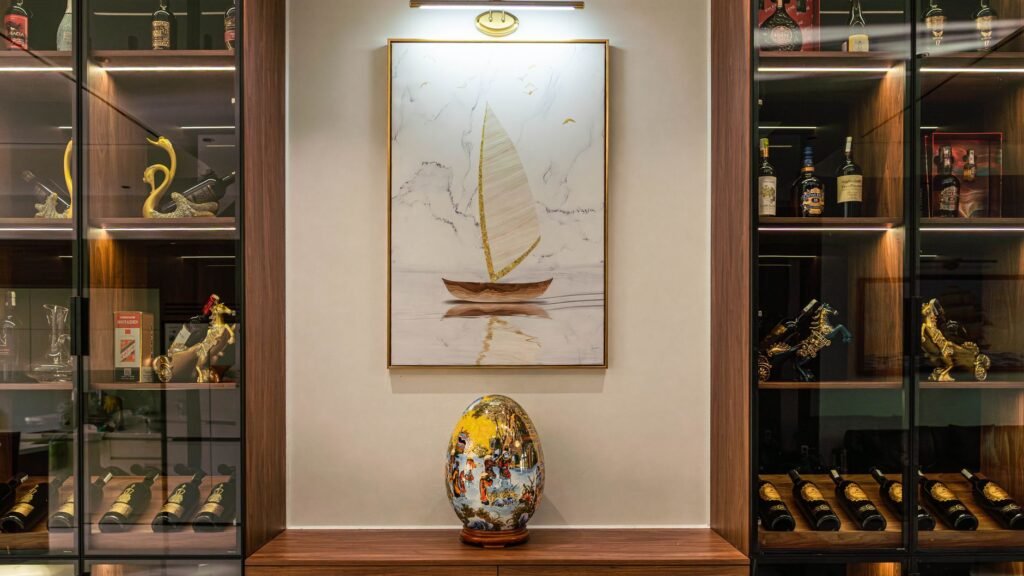
Discover why luxury collectibles are becoming essential assets for family offices.
Protected by reCAPTCHA — the Google Privacy Policy and Terms of Service apply.
Join the discussion
Comments are open to signed-in members. Sign in to add yours, or apply to join the network.
Sign in Apply for FON+