Private Aviation: A Key Component of Luxury Travel for Family Offices
Explore how private aviation is redefining luxury travel for family offices.
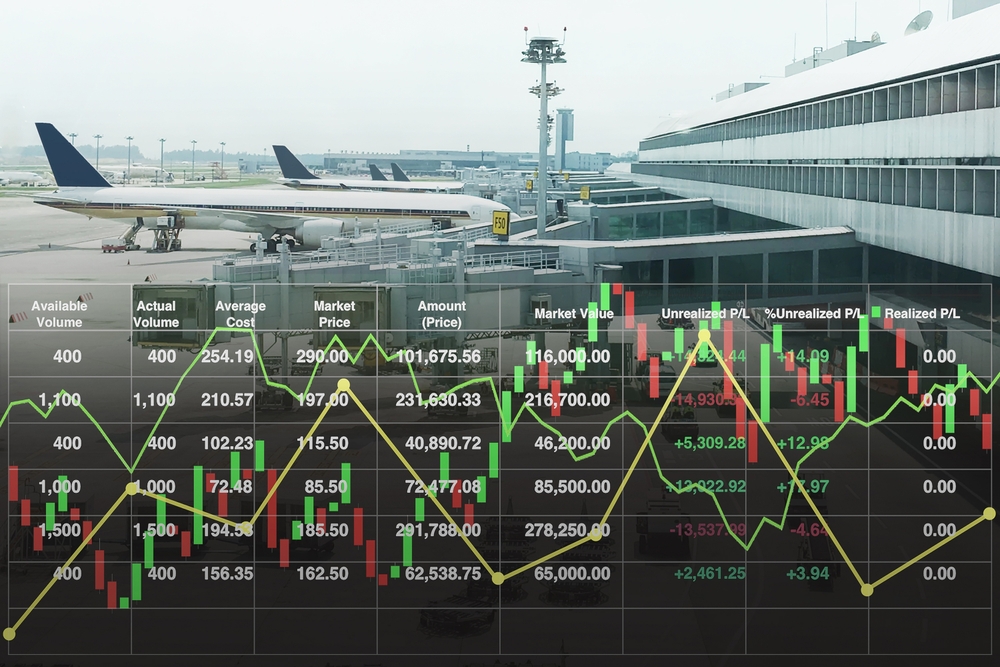
As you ponder your next investment move, consider the turbulent skies of the airline industry. Once a symbol of progress and luxury, airlines and aircraft manufacturers now struggle to stay aloft financially. From regulation hurdles to sky-high capital costs, the sector faces unique challenges that have led to spectacular crashes—both literal and financial. Recent events, such as American Airlines’ removal from the S&P 500 and Boeing’s public relations nosedives, underscore the industry’s volatility. Yet, where some see turbulence, savvy investors spot opportunity. By taking short positions, you could potentially profit from the sector’s woes, much like Gordon Gekko’s fictional play against Blue Star Airlines. Let’s explore why airlines might leave your portfolio better off short.
The airline industry has long been notorious for its poor financial performance. According to a study, most major airlines have filed for bankruptcy at some point, highlighting the sector’s volatility. High fixed costs, labor-intensive operations, and fuel price fluctuations have consistently challenged profitability. Even fictional carriers like Blue Star Airlines from the movie “Wall Street” faced financial turbulence.
The industry’s woes persist in recent years. Boeing, a major aircraft manufacturer, reported a staggering $1.6 billion loss in Q3 2023, underscoring the ongoing challenges. American Airlines’ removal from the S&P 500 further exemplifies the sector’s struggles. These setbacks demonstrate that despite efforts to improve efficiency, airlines remain susceptible to external shocks and industry-wide challenges.
The airline industry’s poor financial performance can be partly attributed to its regulatory history. For decades, the U.S. government heavily regulated commercial aviation, controlling pricing, routes, and market entry. While the 1978 Airline Deregulation Act aimed to increase competition, remnants of regulation still impact the industry. Blue Star Airlines, the fictional carrier from “Wall Street,” exemplifies how regulation can stifle innovation and profitability.
Despite deregulation benefits, airlines continue to struggle with regulatory hurdles. Government management of air travel infrastructure often leads to inefficiencies, while antitrust laws can hinder necessary restructuring efforts. These factors contribute to the industry’s notoriously thin profit margins and volatile performance, making airline investments particularly risky.
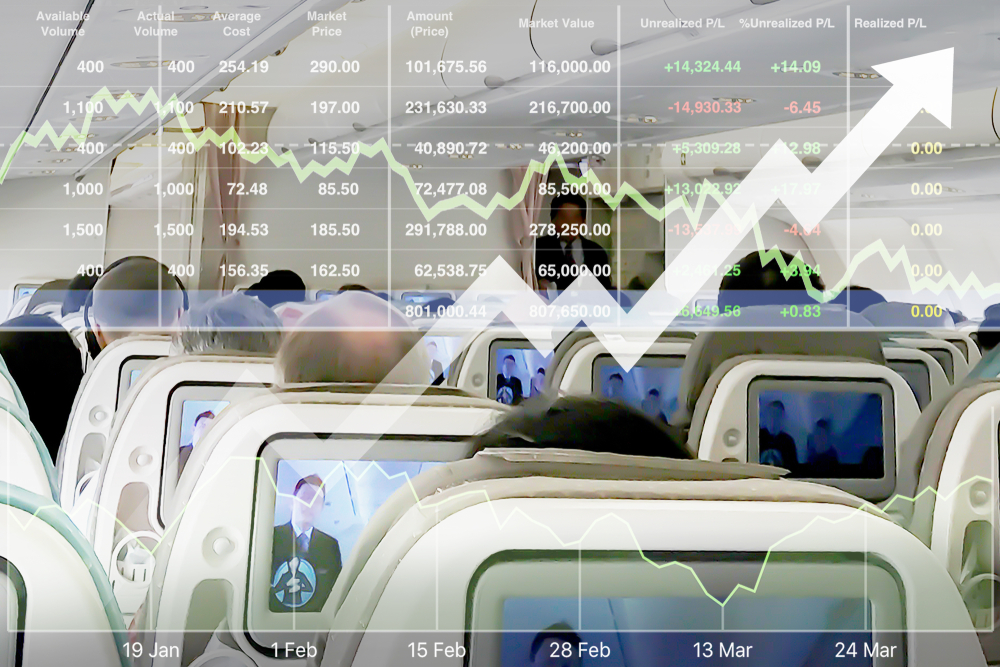
The airline industry is notoriously capital-intensive, requiring substantial upfront investments in aircraft, infrastructure, and technology. This heavy reliance on capital contributes significantly to the poor airline performance often observed in the sector. Airlines must constantly balance the need for fleet modernization with financial stability, a challenge exemplified by the fictional Blue Star Airlines in the movie “Wall Street.”
Operating costs in the airline industry are predominantly fixed, including aircraft leases, maintenance, and labor. This cost structure makes it challenging for airlines to adjust quickly to market fluctuations, often resulting in thin profit margins or losses during economic downturns.
Stringent safety regulations and environmental standards further increase operational costs, adding to the financial pressures faced by airlines. These factors combine to create a challenging environment for investors and contribute to the industry’s historically poor financial performance.
The airline industry has seen its share of turbulence, with numerous carriers facing financial ruin. PanAm, once an icon of American aviation, went bankrupt in 1991, succumbing to rising fuel costs and fierce competition from low-cost carriers. TWA, another giant, followed suit in 1992, crushed under the weight of massive debt. Even fictional airlines like Blue Star from the movie “Wall Street” couldn’t escape this harsh reality.
Eastern Air Lines’ demise in 1991 stemmed from labor disputes, while Braniff International’s colorful fleet couldn’t outshine its financial woes in 1982. These collapses underscore the industry’s vulnerability to economic fluctuations, high operating costs, and regulatory challenges. The poor airline performance trend continues, as evidenced by American Airlines’ recent removal from the S&P 500.
The struggling airline industry has long been a target for short sellers. Take Blue Star Airlines from the movie “Wall Street” as a fictional example of poor airline performance. Like many real-world counterparts, Blue Star faced operational challenges and safety concerns that made it vulnerable to short selling.
In reality, major players like Boeing and American Airlines have faced significant hurdles. Boeing’s recent public relations debacles, including plane accidents and the Starliner capsule failure, have made it an attractive target for short sellers. Meanwhile, American Airlines’ removal from the S&P 500 reflects broader industry challenges.
Savvy investors have capitalized on these struggles through short positions. Some perceive shorting airline stocks as a strategy to profit from anticipated decreases in travel demand or increases in fuel prices. However, this approach carries risks and requires careful analysis of industry trends and individual company performance.

The fictional Blue Star Airlines, featured in Oliver Stone’s 1987 film “Wall Street,” serves as a poignant example of the poor airline performance plaguing the industry. According to the movie’s plot, Blue Star operated a fleet of 80 narrow-body jets, including Boeing 737s, primarily serving routes in the Northeast, Canada, Florida, and the Caribbean. The airline’s struggles mirror real-world challenges faced by carriers, including high operational costs and fierce competition.
A pivotal moment in the film revolves around corporate raider Gordon Gekko’s attempt to acquire and liquidate Blue Star, highlighting the vulnerability of airlines to predatory financial practices. This fictional scenario eerily reflects the real-world pressures that continue to plague the airline industry, where companies often grapple with thin profit margins and the constant threat of bankruptcy or hostile takeovers.
American Airlines, once a titan of the airline industry, has faced turbulent times, leading to its removal from the prestigious S&P 500 index. This move reflects the struggling airline’s declining market capitalization, which has plummeted to around $7 billion – a stark contrast to competitors like United ($15 billion) and Delta ($27 billion).
The poor airline performance of American has been evident in its stock price, which has nosedived by 60% over the past five years. Analysts attribute this decline to various factors, including ineffective leadership, lack of product improvements, and high debt levels. This scenario is reminiscent of the fictional Blue Star Airlines from the movie “Wall Street,” highlighting the volatile nature of the airline industry.
Boeing, once a titan of the aerospace industry, has faced a series of public relations nightmares that have severely damaged its reputation. The company’s poor airline performance has been highlighted by several high-profile incidents. A recent incident involving a 787 Dreamliner experiencing a sudden mid-air drop has further eroded public trust. This event, coupled with ongoing issues with the 737 Max jets, has put Boeing under intense scrutiny. The situation is reminiscent of the fictional Blue Star Airlines from the movie “Wall Street,” whose fortunes were similarly affected by safety concerns. Boeing’s troubles have not only impacted its own operations but have also led to disruptions for airlines and potentially higher airfares for travelers. As the company grapples with these challenges, investors and industry observers are closely watching to see how Boeing will navigate this turbulent period.
Investors have historically profited from the poor airline performance by taking short positions. One notable example occurred during the COVID-19 pandemic, when airline stocks plummeted. Savvy traders made thousands by shorting major carriers like Delta Air Lines and American Airlines.
Even fictional scenarios, like Blue Star Airlines from the movie “Wall Street,” highlight the volatility of the industry. In reality, Boeing’s recent safety issues and American Airlines’ removal from the S&P 500 underscore the sector’s challenges.
However, shorting airlines carries significant risks. Market timing is crucial, and holding short positions through dividend payments can result in losses. Investors should approach airline shorts cautiously, recognizing the industry’s unpredictable nature and potential for sudden shifts in fortune.
As you’ve seen, the airline industry’s turbulent history offers valuable lessons for investors. While companies like Blue Star Airlines may soar in fiction, real-world carriers often struggle to stay aloft financially. The recent removal of American Airlines from the S&P 500 and Boeing’s ongoing PR crises underscore the sector’s volatility. Savvy investors who’ve taken short positions against struggling airlines have reaped substantial rewards, capitalizing on the industry’s inherent challenges. As you consider your investment strategy, remember that in this high-stakes sector, those who bet against the headwinds have often found themselves flying high. The skies may be friendly, but for airlines, profitability remains an elusive destination.

Explore how private aviation is redefining luxury travel for family offices.

Private aviation is reshaping luxury travel for UHNW families in 2026. Discover the latest trends and insights.

Discover how private aviation is transforming travel for ultra-wealthy families in 2026. Learn the latest trends and insights.
Protected by reCAPTCHA — the Google Privacy Policy and Terms of Service apply.
Join the discussion
Comments are open to signed-in members. Sign in to add yours, or apply to join the network.
Sign in Apply for FON+