Family Offices Reshape Sports Investments in 2026
Family offices are transforming sports investments, from leagues to athlete ventures.

In our last piece, we explored the global sports gold rush — the institutionalization of sports ownership and the convergence of sports properties with technology. The question we heard most from our family office community in response wasn't whether to allocate to sports. It was how.
That question matters more than it might seem. Sports is not an asset class that rewards tourists. The families generating real outcomes in this space are increasingly doing it the same way they access biotech, enterprise software, or private credit: through specialized fund partners with dedicated sourcing, sector expertise, and operating capability.
The most attractive opportunities in sports rarely trade in the open. Emerging league stakes, structured team investments, and the technology companies being adopted across global sport are sourced through relationships — with league offices, player associations, athlete executives, and founders who choose their capital partners carefully.
A family office approaching this ecosystem cold faces a paradox: the deals it can easily see are often the deals everyone else has already passed on. Specialized funds solve this by living inside the ecosystem. Their deal flow is a function of years of trust built across the sports value chain, not a banker's process.
“Network in sports is everything,” notes David Foster, General Partner & General Counsel of TFO Sports. “We have assembled a team of industry veterans and professional athlete executives to open up doors and execute growth strategies for our portfolio companies.” That same network that accelerates portfolio companies is what surfaces the opportunities in the first place.
Sports assets carry idiosyncratic risks that generalist diligence frameworks miss. League governance and approval rights, media rights cycles, collective bargaining dynamics, athlete relationships, and the operational realities of franchises and venues all shape outcomes in ways that don't show up in a standard quality-of-earnings review.
Specialized managers underwrite these variables as a core competency. They know which technology categories leagues will actually adopt, which emerging properties have durable commercial models, and — just as importantly — which shiny opportunities are structurally challenged. For a family office, partnering with that expertise converts an unfamiliar asset class into an institutional allocation.
Many families enter sports through a single trophy asset — a minority stake in a club, a piece of a team in a league they love. There is nothing wrong with passion. But a single concentrated position is not a strategy.
A specialized fund offers what a one-off deal cannot: diversification across the sports value chain — properties, technology, media, performance, and fan engagement — across geographies and across stages. Matt Sherman, Managing Partner of TFO Sports, frames the fund's construction this way:
“Technology portfolio companies deploy through the leagues, teams, and venues we back — adoption is designed in, not sold in. On the other hand, our leagues, teams, and venues become more valuable operators in their markets.”
— Matt Sherman, Managing Partner, TFO Sports
The dual-sided model matters. When a fund holds relationships with both the leagues hungry for innovation and the technology companies seeking adoption, each side of the portfolio compounds the other — sports properties gain an innovation pipeline, and technology companies gain the distribution and validation that only global sport provides.
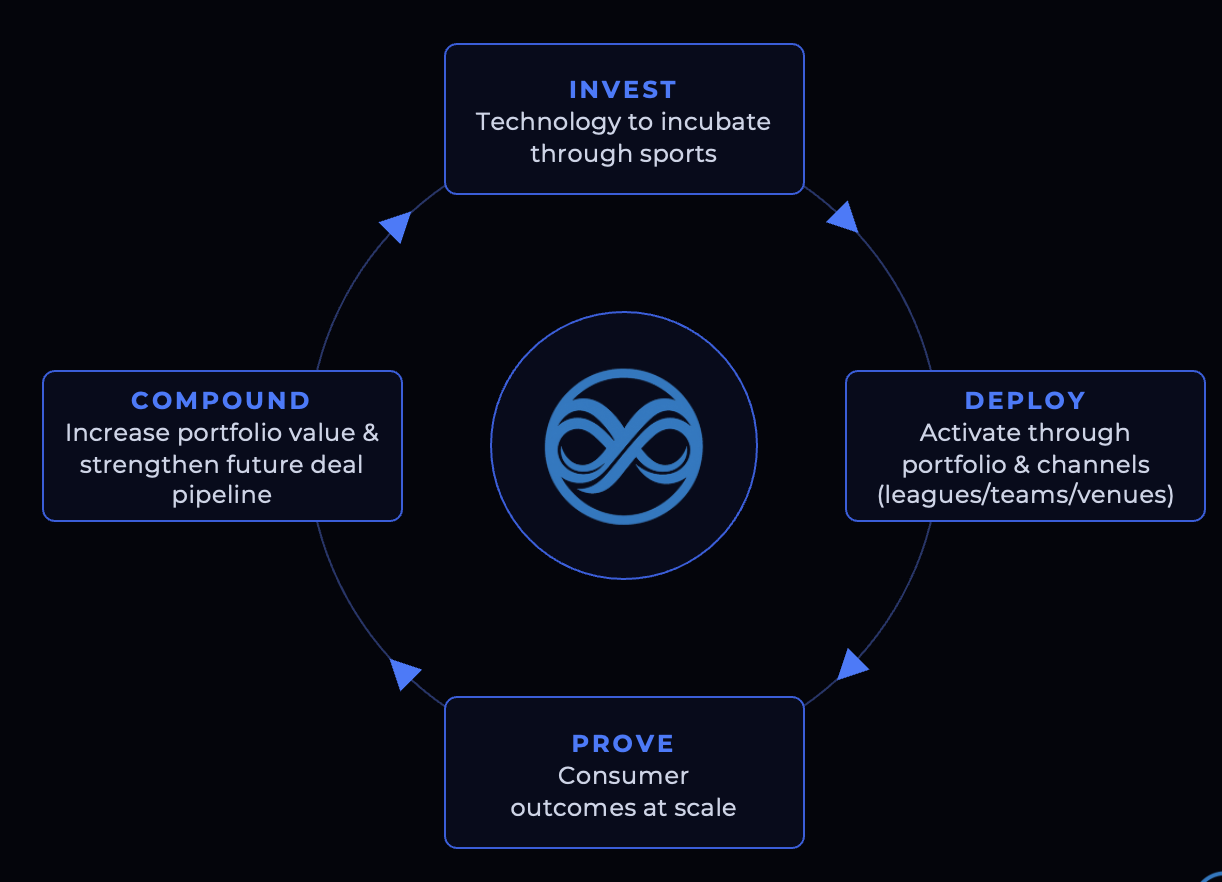
Sports is an operator's market. Value creation comes from commercial execution — sponsorship, media, ticketing, fan data, athlete partnerships — and the specialized funds that win are those that function as operating partners, not passive check-writers.
For family offices, this is leverage. Rather than building an in-house sports team, the family gains a dedicated operating bench through its fund partner, while retaining the option to co-invest alongside the fund in the situations that fit the family's own passions and expertise. Co-investment rights, in fact, are becoming one of the most valued features of the specialized fund model: the fund does the sourcing, structuring, and heavy diligence; the family selectively deepens exposure where conviction is highest.
The macro backdrop makes the partnership model especially timely. Global sport is entering an extraordinary catalyst window — a period of marquee global events, expanding media rights, surging women's sports valuations, and accelerating institutional capital formation. Specialized managers are positioned to move through this window with prepared pipelines and established relationships. Families building capability from scratch will spend the window learning what their fund partners already know.
As sports matures into a core alternative allocation alongside private equity, venture capital, and real estate, the families that outperform will be the ones that treat it with the same discipline they bring to every other asset class — which, for most, means partnering with managers who live in the ecosystem full time.
The gold rush is real. But in every gold rush, the reliable returns went to those with the maps, the tools, and the relationships. In sports, that is the specialized fund.
To learn more about the TFO Sports Fund contact info@tfoequity.com

Family offices are transforming sports investments, from leagues to athlete ventures.

Family offices are reshaping sports investments, leveraging unique opportunities in ownership and finance.
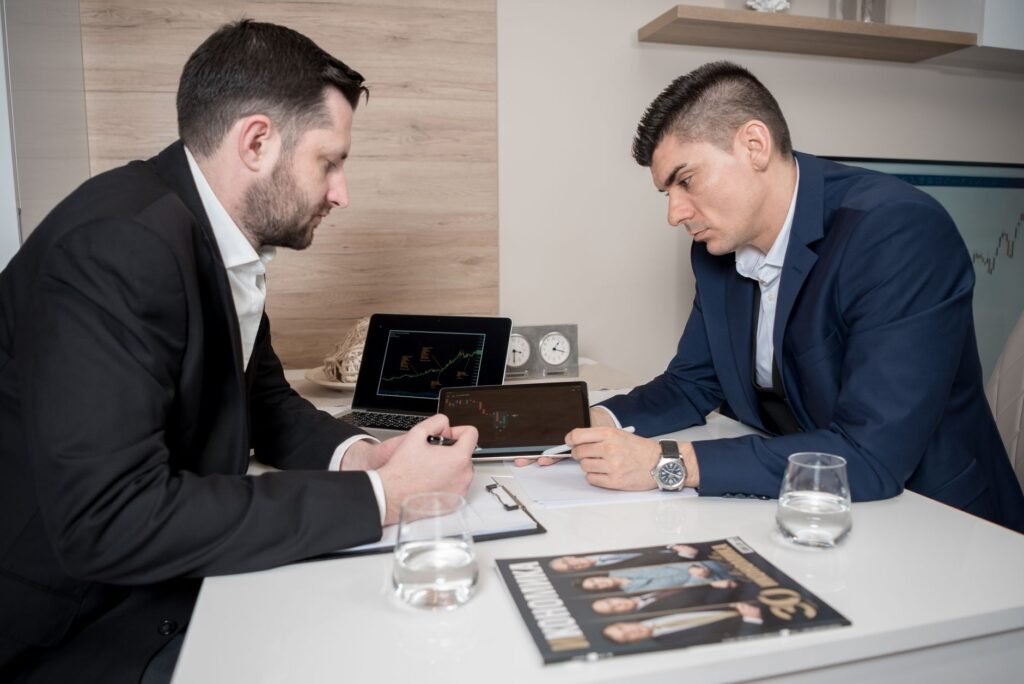
Family offices are reshaping sports ownership and investment strategies.
Protected by reCAPTCHA — the Google Privacy Policy and Terms of Service apply.
Join the discussion
Comments are open to signed-in members. Sign in to add yours, or apply to join the network.
Sign in Apply for FON+