The Allure of Luxury Collectibles: A Family Office Perspective
Discover why luxury collectibles are becoming essential assets for family offices.
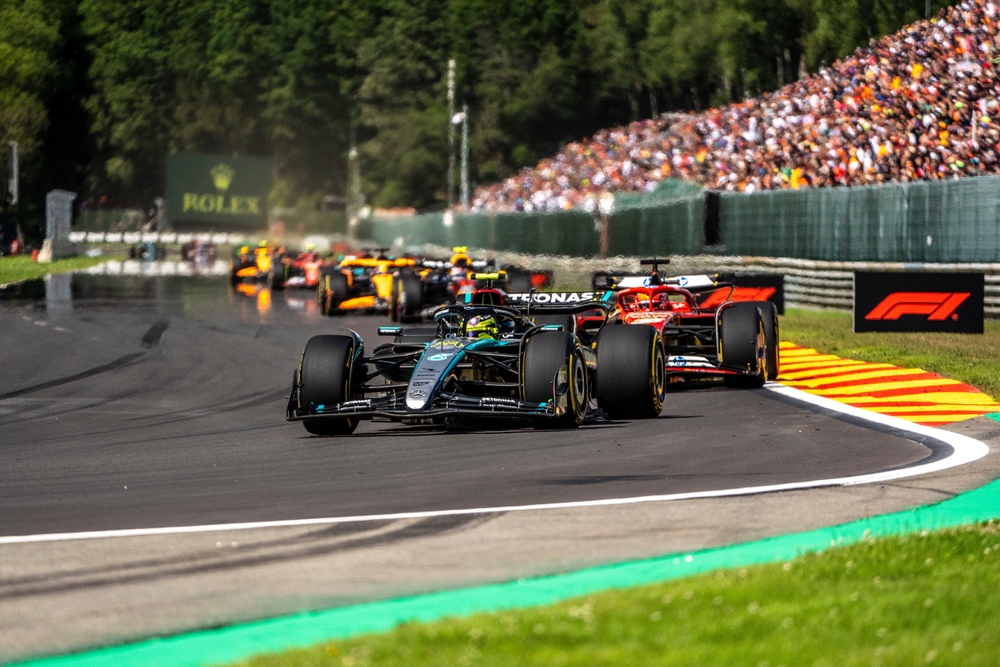
As you delve into the world of Formula 1, you’ll discover a realm where billions of dollars fuel high-octane excitement and cutting-edge technology. This pinnacle of motorsport attracts not only the world’s finest drivers but also some of its wealthiest individuals and corporations. From the glamorous Grand Prix events to the intricacies of team ownership, Formula 1 represents a unique intersection of sport, business, and luxury. In this article, you’ll explore the staggering amounts of money invested in Formula 1 teams and drivers, uncover the allure of Grand Prix weekends for affluent attendees, and examine the financial dynamics of owning a Formula 1 team in today’s competitive landscape.
Formula 1 is synonymous with opulence, attracting some of the world’s wealthiest individuals as team owners, drivers, and attendees. The money behind Formula 1 is staggering, with team values soaring to unprecedented heights. According to recent valuations, the 10 current teams are worth a cumulative $15.3 billion, with Ferrari leading at $3.13 billion.
Team ownership has become a playground for billionaires. Lawrence Stroll, owner of Aston Martin F1 team, boasts a net worth of $3.9 billion. These wealthy owners pour millions into their teams, seeking both prestige and profit. However, the relationship between team performance and financial returns is complex. Research indicates that while higher rankings correlate with increased revenues, they don’t always translate to higher net profits due to the substantial costs involved in maintaining a competitive edge.
Formula 1 Grand Prix events are not just about high-speed racing; they’re also magnets for the world’s wealthiest individuals. The money behind Formula 1 is staggering, with teams and drivers commanding astronomical sums. According to Forbes, F1’s popularity has skyrocketed, with record profits and attendance in 2022.
Grand Prix events cater to affluent spectators with luxurious offerings. At the Las Vegas Grand Prix, Paddock Club access costs a whopping $15,000 per person, while skyboxes go for $10,000 each. These packages include gourmet dining, pit lane access, and encounters with F1 legends.
For those with even deeper pockets, owning a Formula 1 team is the pinnacle of involvement. Privately owned teams represent significant investments, with team dollar values often reaching into the billions. Wealthy owners pour vast sums into their passion, hoping to compete at the highest level of motorsport.
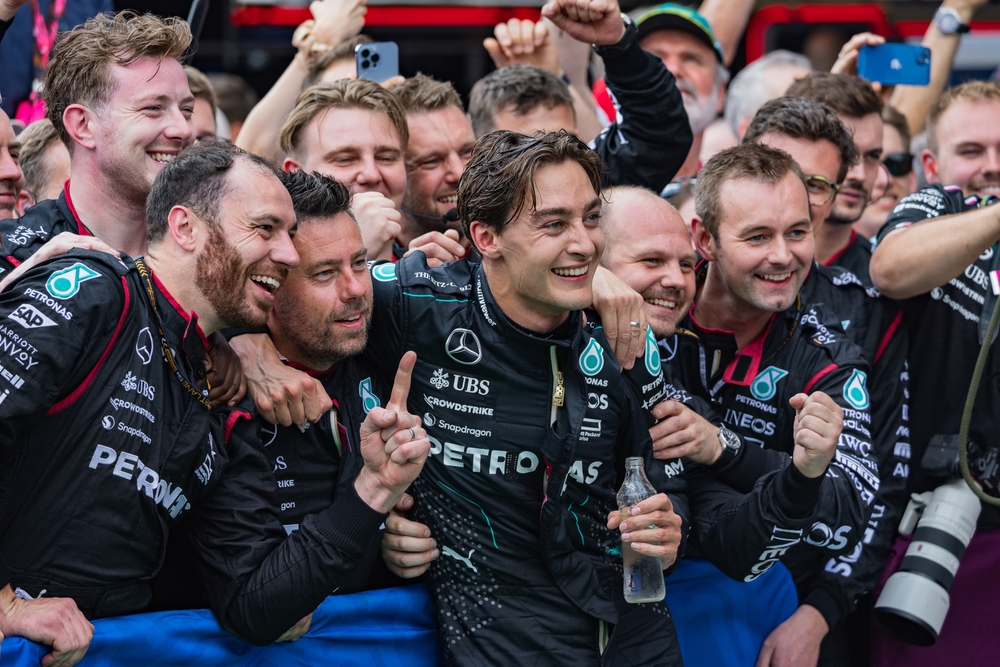
Formula 1 teams represent some of the most valuable assets in sports, with top teams now worth over $1 billion each. Ferrari leads the pack at $3.9 billion, closely followed by Mercedes at $3.8 billion. The money behind Formula 1 is truly astronomical, attracting wealthy owners and investors from around the globe.
Many F1 teams are privately owned by successful entrepreneurs or large corporations. For example, Red Bull Racing is owned by the Red Bull GmbH conglomerate, while Williams Racing was acquired by US investment firm Dorilton Capital. These wealthy attendees and owners pour hundreds of millions into their teams annually, aiming for both on-track success and long-term financial gains.
Formula 1 teams operate within a complex financial ecosystem, relying on diverse revenue streams to fund their high-stakes operations. According to Investopedia, the primary sources of income for F1 teams include prize money, sponsorships, and investments from car manufacturers. The money behind Formula 1 is substantial, with the sport generating $2.57 billion in revenue in 2022.
The value of Formula 1 teams can be astronomical, reflecting the sport’s global appeal and the wealthy attendees it attracts. However, profitability remains a challenge for many teams. As reported by SportsBoom, F1 introduced budget caps to level the playing field, with the 2023 cap set at $135 million per team. This measure aims to control costs while maintaining the sport’s allure for wealthy owners and drivers.
In the high-stakes world of Formula 1, performance on the track directly translates to financial rewards for teams. The sport’s prize money structure, which distributes over $900 million annually, is intricately tied to race results and championship standings. Top-performing teams can earn up to 14% of the total prize pot, while even the lowest-ranked team receives 6%. This system ensures that success breeds further success, as wealthy teams can reinvest their earnings into cutting-edge technology and talent acquisition. The money behind Formula 1 teams is substantial, with top organizations like Ferrari and Mercedes boasting team dollar values exceeding $3 billion. For wealthy owners and attendees, Formula 1 offers not just thrilling races, but also a chance to be part of an elite, high-performance ecosystem where financial prowess and on-track dominance go hand in hand.
Formula 1 is a sport that thrives on big money and cutting-edge technology. The money behind Formula 1 teams comes from various sources, with team dollar value often reaching astronomical figures. In 2022, F1 generated a staggering $2.57 billion in revenue, fueled by record attendance and expanded global viewership.
Grand Prix events attract wealthy attendees who are drawn to the glamour and excitement of F1 racing. Some of these high-net-worth individuals take their passion a step further by becoming wealthy owners of F1 teams. These teams can cost hundreds of millions to operate annually, with expenses ranging from $445 million to $484 million per season before the introduction of budget caps.
F1 teams rely on multiple revenue streams to sustain their operations. Sponsorships play a crucial role, with deals ranging from €1 million to over €42 million per season. Prize money, manufacturer investments, and contributions from wealthy drivers also contribute significantly to team finances.
When it comes to the money behind Formula 1, driver salaries are in a league of their own. The sport’s wealthiest drivers command astronomical paychecks that reflect their elite status and marketability. According to recent estimates, Max Verstappen tops the list with a staggering $55 million annual salary from Red Bull Racing. Not far behind is Lewis Hamilton, earning $45 million per year at Mercedes.
While veteran champions rake in top dollar, emerging talents and rookies face a steeper climb. Younger drivers like Logan Sargeant and Yuki Tsunoda earn around $1 million annually, highlighting the vast disparity within the sport. However, as these rising stars prove their worth on the track, their value to wealthy team owners often skyrockets, leading to lucrative contract negotiations and escalating salaries.
Formula 1 teams have seen their value skyrocket in recent years, with the average team now worth a staggering $1.88 billion. This represents a massive increase from just $500 million in 2019. The most valuable team, Ferrari, is estimated to be worth $3.9 billion, followed closely by Mercedes at $3.8 billion.
Several factors have contributed to this explosive growth in team dollar value. The implementation of a cost cap in 2021 has allowed teams to become more profitable. Additionally, the sport’s increasing popularity, driven by the Netflix series “Drive to Survive” and new races in Miami and Las Vegas, has attracted more wealthy attendees and owners. These factors have made Formula 1 teams increasingly attractive investments for the ultra-wealthy.
As you’ve seen, Formula 1 represents the pinnacle of motorsport not only in terms of technology and competition, but also in sheer financial scale. From the lavish spending of VIP attendees at Grand Prix events to the billions invested by team owners, F1 operates in a realm of extreme wealth. While some teams do turn a profit, for many owners the value lies in the prestige and global marketing platform. As F1 continues to evolve and expand its reach, the astronomical sums involved are likely to grow even further. Whether you’re a die-hard fan or casual observer, the world of Formula 1 offers a fascinating glimpse into the intersection of sport, business, and luxury.

Discover why luxury collectibles are becoming essential assets for family offices.

Discover how family offices are redefining luxury asset investments in 2026.

Family offices are redefining fine art ownership, merging investment with passion and heritage.
Protected by reCAPTCHA — the Google Privacy Policy and Terms of Service apply.
Join the discussion
Comments are open to signed-in members. Sign in to add yours, or apply to join the network.
Sign in Apply for FON+