Direct Investment Trends Shaping Family Office Strategies
Explore how direct investment trends are transforming family office strategies in 2026, driving flexibility and innovation in capital allocation.
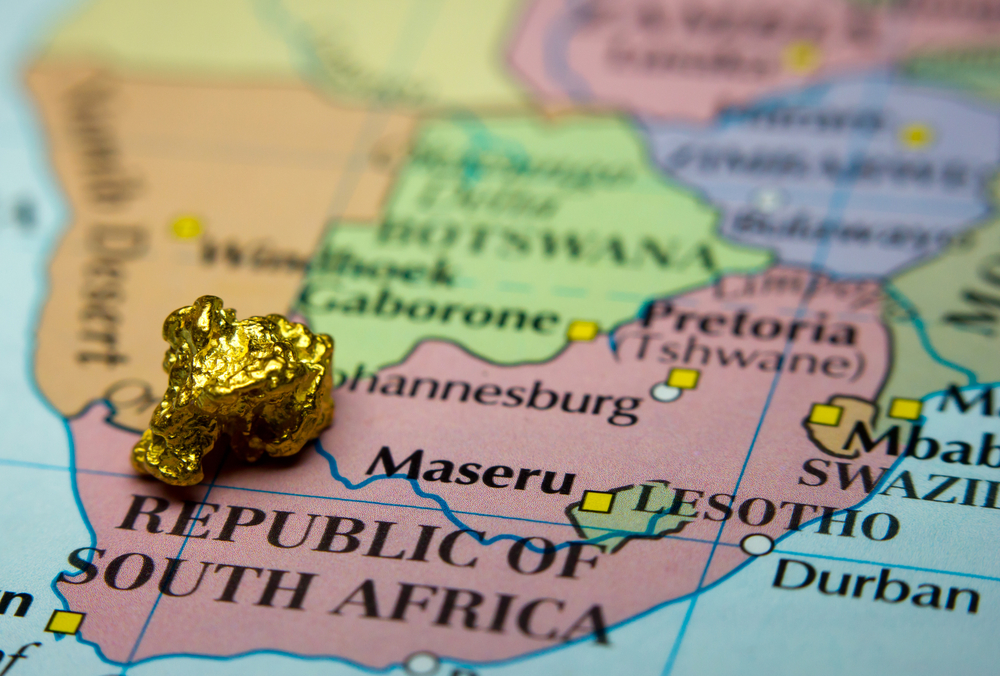
Welcome, dear readers of “Obscenely Wealthy Quarterly”, to our latest exposé on where to park your millions—or better yet, make a few more. Today, we’re taking a jolly jaunt through the fascinating world of African oil and gas projects. Prepare yourselves for a tale of geological jackpots, political minefields, and enough irony to lubricate a continent-sized engine of industry.
Africa, that vast cradle of humanity, has apparently decided that having been the birthplace of our species wasn’t enough. No, it’s now vying for the title of “World’s Favourite Petrol Station”. How utterly darling of it to finally join the fossil fuel party, fashionably late by only a century or so.
But before we dive into this veritable ocean of oil, let’s take a moment to appreciate the sheer audacity of it all. Here we have a continent that could power itself several times over with solar energy alone, choosing instead to punch holes in its ground to extract dinosaur juice. It’s rather like finding out your health-conscious aunt has a secret deep-fryer hidden behind her kale garden. Deliciously ironic, isn’t it?
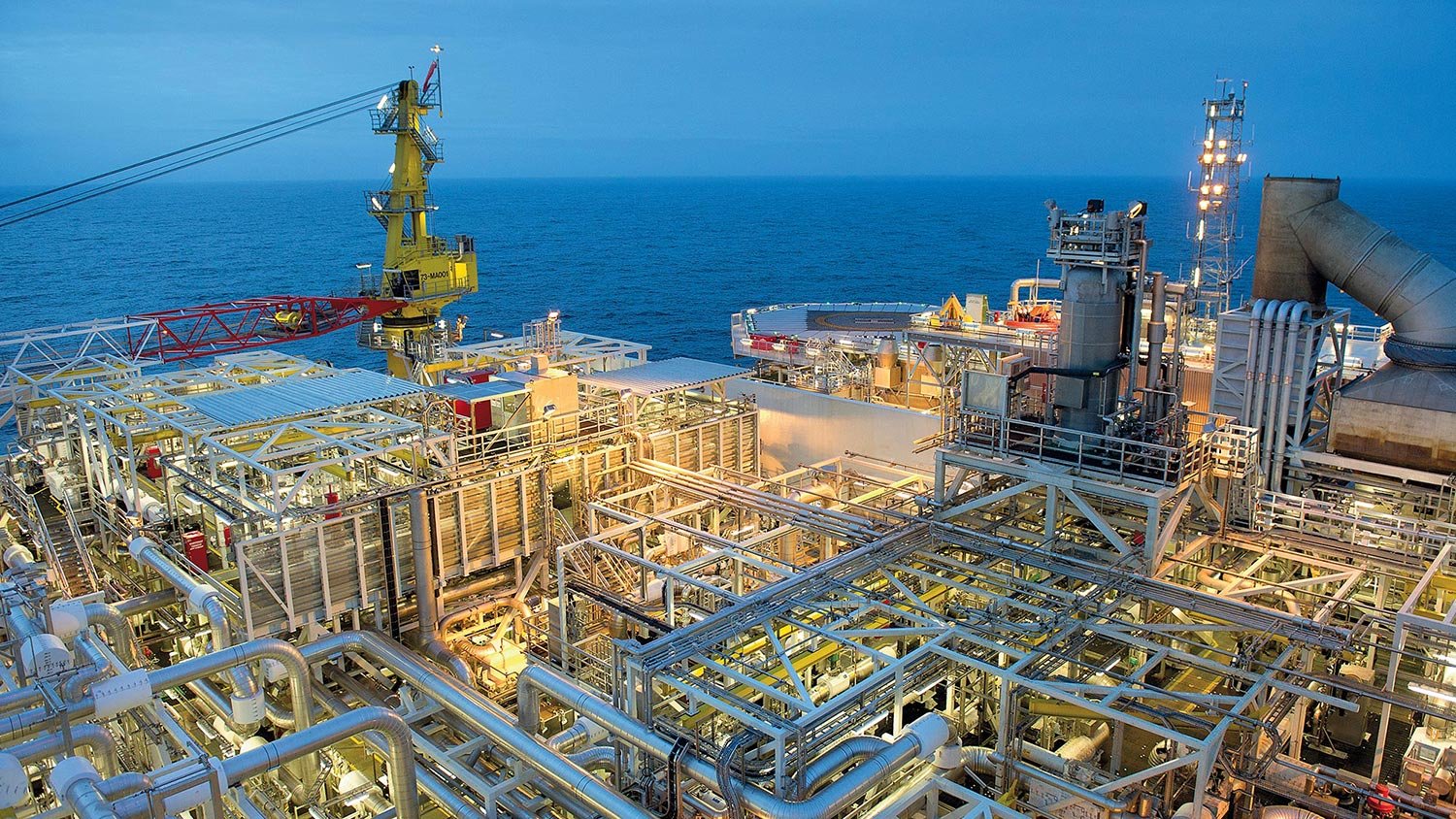
Ah, Nigeria. The grande dame of African oil production, and what a tempestuous old girl she is. Since the 1950s, this West African nation has been pumping out the black stuff faster than a Instagram influencer churns out sponsored content. It’s the continent’s largest producer, boasting reserves that would make a Saudi prince’s eyes water (though that might just be the desert sand).
The Niger Delta, Nigeria’s oil-producing region, is a masterclass in how to turn natural wealth into a socio-economic nightmare. It’s as if someone looked at the phrase “resource curse” and said, “Hold my palm wine, I’ll show you a curse.” Environmental degradation? Check. Economic inequality? Double-check. Militant groups with names that sound like rejected heavy metal bands? Oh, you’d better believe that’s a check.
But fear not, dear investors! The Nigerian government has assured us that everything is under control. And if you can’t trust a government with a track record as spotless as a leopard’s coat, who can you trust?
Speaking of comebacks, let’s turn our attention to Angola, shall we? After emerging from a civil war that lasted longer than most Hollywood marriages, Angola decided that the best way to rebuild was to sell off its natural resources. How novel!
Angola’s offshore oil fields are the envy of the continent. Well, they would be if the average African had any idea of the wealth bubbling beneath the waves off their coast. The country has become Africa’s second-largest oil producer, which is rather like being the second-largest iceberg in the Sahara – impressive, but context is key.
The Angolan government has made solemn promises about using oil revenues to benefit its people. One can’t help but admire their optimism. It’s rather like watching a toddler promise to clean their room – adorable, but one shouldn’t hold one’s breath.
Now, let’s welcome the newest member of Africa’s fossil fuel fraternity: Mozambique. This Southeast African nation recently discovered enough natural gas to make Texas blush. It’s as if Mother Nature decided to play a cosmic joke: “You’ve finally sorted out that pesky civil war? Here, have some highly volatile hydrocarbons to keep things interesting!”
The Rovuma Basin, off Mozambique’s northern coast, is estimated to hold over 100 trillion cubic feet of natural gas. To put that in perspective, it’s enough to keep every gas-guzzling SUV in Chelsea running for the next century. Naturally, this has attracted the attention of every oil and gas company worth its salt (or should we say, worth its methane?).
International energy giants are falling over themselves to get a piece of the Mozambican pie. It’s like watching a group of impeccably dressed vultures circling a particularly juicy carcass. But let’s not be too cynical – I’m sure they all have the best interests of the Mozambican people at heart. Right after shareholder dividends, of course.
Across the continent, oil companies are pushing the boundaries of engineering and common sense with deep-water drilling projects. It’s as if they looked at the Mariana Trench and thought, “Bet there’s oil down there.”
Take, for instance, the Egina oil field off the coast of Nigeria. Developed by Total (now TotalEnergies, because adding “Energies” to your name instantly makes you eco-friendly), this project is a marvel of modern engineering. The floating production, storage and offloading (FPSO) vessel used in this field is longer than three football pitches. Because if you’re going to drill for oil in water deeper than Mount Kilimanjaro is tall, you might as well do it with style.
These deep-water projects are not for the faint of heart or light of wallet. They cost billions to develop and operate. But when you’re in the business of selling a finite resource that’s cooking the planet, why not go big or go home, right?
No discussion of African oil and gas would be complete without mentioning pipelines. These metal serpents, slithering across borders and ecosystems, are the lifeblood of the industry. They’re also about as popular with local communities as a fox in a henhouse.
Take the East African Crude Oil Pipeline (EACOP), set to stretch from Uganda to Tanzania. At 1,443 kilometres long, it’s practically begging to be turned into a Guinness World Record attempt for “World’s Longest Oil Slick Waiting to Happen”. Environmental groups are up in arms about the potential risks to ecosystems and local communities. But come now, what’s a little environmental degradation between friends?
The pipeline’s backers assure us that it will be a boon for the region, bringing jobs and economic development. And if history has taught us anything, it’s that large multinational corporations always have the best interests of local African communities at heart. Always.
In the realm of “things that seemed like a good idea at the time”, we have gas flaring. For the uninitiated, gas flaring is the process of burning off excess natural gas during oil production. It’s rather like setting fire to piles of money, if money also happened to accelerate global warming.
Nigeria, ever the overachiever, has been a world leader in gas flaring for decades. The practice lights up the Niger Delta night sky so brightly that astronauts could probably read by it. It’s a touching tribute to inefficiency and environmental disregard that brings a tear to the eye. Though that might just be from all the pollutants in the air.
To their credit, many African countries have pledged to reduce gas flaring. It’s a bit like an arsonist promising to only set fire to every other building, but progress is progress, I suppose.
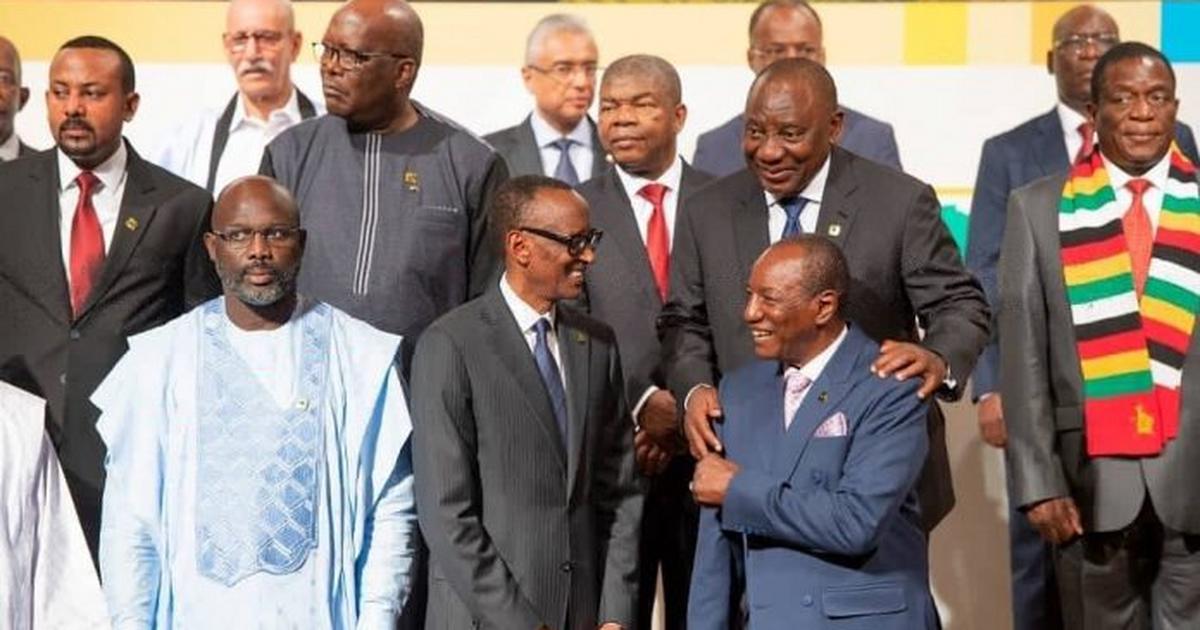
If you thought the technical challenges of oil and gas extraction were complicated, just wait until we delve into the politics. African oil and gas is a game where the rules are written in disappearing ink, the referee is blindfolded, and the goalposts are mounted on high-speed rail.
Let’s start with the time-honoured tradition of contract negotiations. In most industries, a contract is a simple agreement between two parties. In African oil and gas, it’s more like a complex mating ritual performed by particularly temperamental scorpions.
Take, for example, the saga of the Production Sharing Contracts (PSCs) in Nigeria. These agreements, which determine how oil revenues are shared between companies and the government, have been the subject of more reviews than a West End musical. The government wants a bigger slice of the pie, the companies want to keep their slice and maybe get a bit of someone else’s, and everyone involved seems to have forgotten that pies are meant to be eaten, not argued over until they go mouldy.
But wait, there’s more! Just when you think you’ve got a handle on the contracts, along comes a new government with bright ideas about “resource nationalism”. Suddenly, those carefully negotiated agreements aren’t worth the paper they’re printed on. It’s enough to make a oil executive reach for the smelling salts.
Now, I know what you’re thinking, dear reader. “Surely,” you say, adjusting your monocle, “in an industry dealing with such vast sums of money, there must be some corruption?” Well, clutch your pearls and brace yourself, because I’m about to shock you: there is indeed corruption in African oil and gas. I know, I know, take a moment to recover from your fainting couch.
From Nigeria’s infamous oil swap deals to Angola’s “Luanda Leaks”, the industry has seen more scandals than a tabloid newspaper. It’s as if someone took the plot of every John Grisham novel, mixed it with a hefty dose of magical realism, and set it in Africa.
But fear not! African governments are taking decisive action against corruption. Why, just look at all the strongly worded statements they’ve issued! Any day now, I’m sure we’ll see corruption disappear entirely, much like those millions of dollars in oil revenues that seem to vanish into thin air every year.
As if domestic politics weren’t exciting enough, African oil and gas also finds itself at the centre of a global geopolitical chess game. And much like actual chess, it’s a game where the pawns tend to get sacrificed first.
China, ever the opportunist, has been making significant inroads into African oil and gas. Their strategy seems to be “We’ll build you a shiny new stadium if you let us have first dibs on your oil”. It’s a bit like a very expensive game of “I’ll scratch your back if you let me drill in your backyard”.
Not to be outdone, Western powers are also keen to maintain their influence. France, for instance, has been particularly active in its former colonies. It’s heartwarming to see that even in this age of conscious uncoupling, some relationships stand the test of time. Especially when those relationships involve large quantities of hydrocarbons.
Now, I know we’ve been having a jolly good time poking fun at the foibles of the African oil and gas industry, but there’s an elephant in the room. Or perhaps, given the subject matter, we should say there’s a melting icecap in the room.
Climate change, that most inconvenient of truths, poses something of a problem for the African oil and gas industry. It’s rather like planning an elaborate outdoor wedding only to realize you’ve scheduled it during hurricane season.
The irony, of course, is that Africa, which has contributed the least to global carbon emissions, stands to suffer the most from climate change. It’s as if the continent is hosting a party it never wanted, didn’t plan for, and will be left to clean up afterwards.
Some optimists suggest that natural gas could serve as a “bridge fuel” to a renewable energy future. It’s a lovely thought, rather like suggesting that one more drink will help you sober up. But who are we to argue? After all, the climate scientists warning us about the urgent need to reduce fossil fuel use probably just need to relax and take a nice, gasoline-fueled drive to clear their heads.
Africa is home to some of the world’s most diverse and fragile ecosystems. Naturally, the logical thing to do is to drill for oil right in the middle of them. The Virunga National Park in the Democratic Republic of Congo, for instance, has been eyed hungrily by oil companies. Because nothing says “nature preserve” quite like an oil rig, right?
But not to worry! Oil companies assure us that they can extract resources with minimal impact on the environment. It’s a bit like a bull promising to redecorate your china shop – technically possible, but I wouldn’t bet my Wedgwood on it.
As we gaze into the future of African oil and gas, one thing is clear: it’s about as predictable as a game of Russian roulette played with a semi-automatic. But let’s don our prognostication hats and take a wild stab at what the future might hold, shall we?
Renewable energy is the party crasher at the fossil fuel bash, and it’s getting harder to ignore. Some African countries are starting to flirt with solar and wind power, much to the chagrin of oil executives everywhere. It’s as if someone showed up to your caviar tasting with a bag of kale chips – horrifying, but possibly good for you.
Countries like Morocco and Kenya are making significant investments in renewable energy. It’s enough to make an oil baron reach for his smelling salts. But not to worry! I’m sure the transition to renewable energy will be managed with all the grace and foresight that has characterized the industry so far.
In a plot twist worthy of a telenovela, many African countries have decided that merely extracting oil isn’t enough – they want to refine it too! It’s a bit like deciding that simply owning a cow isn’t sufficient; one must also open a artisanal cheese shop.
Nigeria, in particular, has grand plans for new refineries. The Dangote Refinery, set to be Africa’s largest, promises to turn Nigeria from an importer of refined petroleum products to an exporter. It’s a beautiful dream, rather like planning to win the lottery as a retirement strategy.
But let’s not be too cynical. I’m sure these refineries will be up and running smoothly in no time. And if not, well, there’s always the option of turning them into very expensive modern art installations.
As if drilling in deep water and sensitive ecosystems wasn’t exciting enough, some visionaries in the industry are already eyeing the next frontier: ultra-deepwater and pre-salt reserves. It’s like deciding that bungee jumping isn’t thrilling enough, so you might as well do it over an active volcano.
These new frontiers promise untold riches, along with engineering challenges that would make NASA blush. But when has the minor inconvenience of technical impossibility ever stopped the oil and gas industry? Onwards and downwards, I say!
As we come to the end of our whirlwind tour of African oil and gas, what conclusions can we draw? Perhaps that the industry is a perfect microcosm of human ingenuity, greed, short-sightedness, and occasional bouts of accidental altruism.
Africa’s oil and gas sector is many things – a economic lifeline, a political powderkeg, an environmental nightmare – but boring it is not. It’s a high-stakes game where the winners take all, the losers are often an entire country’s worth of civilians, and the referee is taking kickbacks from both sides.
For the discerning investor, African oil and gas offers opportunities aplenty. Just be sure to pack your sense of humour along with your briefcase – you’re going to need it. And perhaps consider diversifying into renewable energy. You know, just in case this whole “climate change” thing turns out to be more than a pesky inconvenience.
In the end, Africa’s oil and gas industry is like a high-octane fuel itself – volatile, powerful, and probably not great for long-term planetary health. But as long as it keeps the economic engines running and the profits flowing, who are we to complain?
So here’s to African oil and gas – may it continue to provide us with energy, entertainment, and enough ethical dilemmas to keep philosophy departments busy for decades to come. Now, if you’ll excuse me, I need to go and calculate the carbon footprint of writing this article. Toodle-pip!

Explore how direct investment trends are transforming family office strategies in 2026, driving flexibility and innovation in capital allocation.

Explore how flexibility in family office investing can enhance capital allocation strategies and lead to better opportunities.
Explore how the permanent $15 million estate tax exemption impacts family offices and wealth planning strategies.
Protected by reCAPTCHA — the Google Privacy Policy and Terms of Service apply.
Join the discussion
Comments are open to signed-in members. Sign in to add yours, or apply to join the network.
Sign in Apply for FON+