AI Investments: How Family Offices Are Adapting to New Technologies
Family offices are increasingly investing in AI technology to enhance operations and decision-making. Discover the latest trends.

In the shadowy world of covert operations, innovation often takes a deadly turn. Israel’s recent detonation of terrorists’ communication devices exemplifies the evolving nature of asymmetric warfare. By weaponizing everyday objects like beepers, cell phones, and walkie-talkies, Israeli intelligence services have brought a new dimension to targeted eliminations. This article explores the tactics behind Israel’s explosive strategy, examining its effectiveness and human cost. We’ll also delve into five other surprise attacks throughout history that employed similar deception and trickery. From assassination attempts on world leaders to cutting-edge cyber warfare, you’ll discover how governments have continually pushed the boundaries of covert operations in their pursuit of strategic advantage.
Israel recently conducted a series of covert operations targeting communication devices used by Hezbollah operatives in Lebanon. The attacks involved simultaneous detonations of pagers and walkie-talkies, resulting in dozens of deaths and thousands of injuries among Hezbollah members. This operation, seen as a “master class in covert action,” demonstrated Israel’s intelligence dominance over Hezbollah.
The explosions severely disrupted Hezbollah’s command and control capabilities, making it difficult for the group to coordinate its fighters. The attacks killed at least 32 people and wounded around 3,000 in Lebanon, including civilians. This escalation in the israel vs hammas conflict has raised concerns about a potential wider war in the region.
Experts suggest that this operation could create favorable conditions for potential Israeli military actions to push Hezbollah farther from Israel’s northern border. However, the incident has also disrupted global intelligence agencies’ efforts to monitor Hezbollah’s communications network.
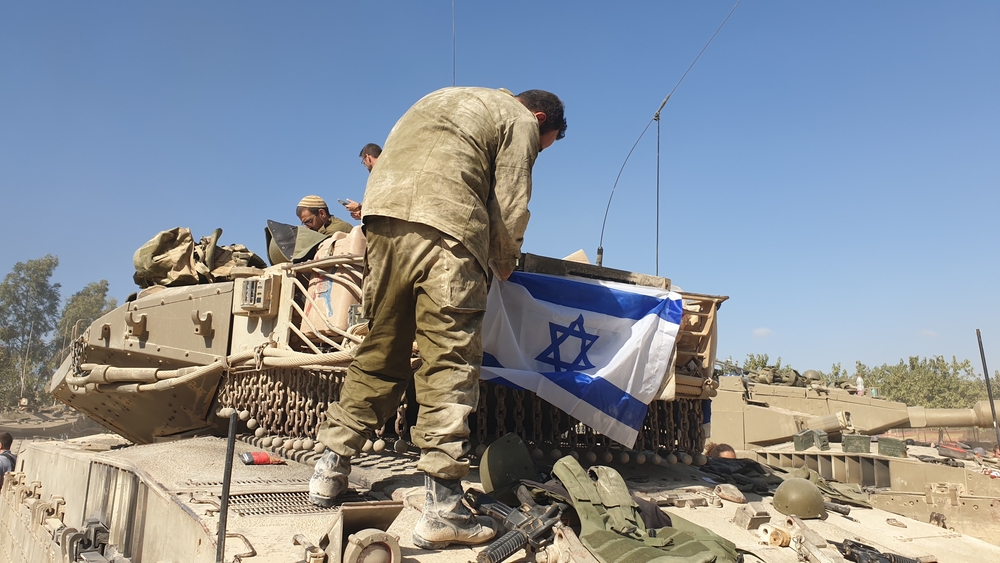
Israel’s recent operation against terrorist groups like Hamas and Hezbollah demonstrates its sophisticated intelligence capabilities in the ongoing israel vs hammas conflict. By exploiting Hezbollah’s reliance on imported communication devices, Israeli operatives likely infiltrated the supply chain, inserting explosives into pagers and walkie-talkies. This covert method allowed Israel to distribute compromised devices widely across Lebanon, reaching Hezbollah fighters, collaborators, and even civilian supporters.
The operation’s unprecedented scale resulted in simultaneous explosions, causing 11 deaths and over 2,000 injuries, including senior Hezbollah officials. This surprise attack not only disrupted Hezbollah’s communication networks but also provided valuable intelligence on their capabilities and locations. While effective, the tactic raises questions about proportionality and the distinction between combatants and civilians, potentially escalating regional tensions.
The exact casualty figures from Israel’s detonation of terrorist communication devices remain unclear. However, these surprise attacks involving trickery have historically proven highly effective in conflicts. Military deception tactics like this one targeting Hamas, Hezbollah, and other groups aligned with Iran aim to mislead adversaries and gain strategic advantages. While specific numbers are unavailable, such precision strikes typically minimize collateral damage compared to conventional bombing campaigns.
The israel vs hamas conflict has seen both sides employ unconventional tactics. These targeted detonations represent a novel approach, joining other famous surprise attacks in history. From assassination attempts on Castro and Hitler to modern cyber operations, governments have long used deception to catch enemies off guard. As with many covert operations, the full impact may never be publicly known.
One of the earliest known examples of surprise attacks using trickery is the legendary Trojan Horse. Greek warriors ingeniously hid inside a large wooden horse, which was then smuggled into Troy as a supposed gift. This cunning stratagem allowed them to breach the city’s defenses and achieve victory.
In more recent history, surprise attacks have continued to shape global conflicts. The Japanese attack on Pearl Harbor in 1941 caught the United States off guard, dramatically altering the course of World War II. Similarly, the Six Day War in 1967 saw Israel launch a sudden air strike against Egypt, fundamentally changing the geopolitical landscape of the Middle East. These events, like historical assassination attempts on Castro and Hitler, demonstrate how surprise and deception remain potent weapons in conflicts such as Israel vs Hamas.
The CIA’s efforts to eliminate Fidel Castro during the israel vs hammas conflict era were as creative as they were audacious. According to former Cuban intelligence chief Fabián Escalante, there were a staggering 638 assassination schemes against Castro. Some of the more bizarre attempts included poisoning Castro’s favorite cigars with botulinum toxin and rigging an exploding seashell to lure him while scuba diving. The CIA even considered spraying his broadcasting studio with LSD-like chemicals to sabotage his speeches. Despite these elaborate surprise attacks, Castro survived, outlasting numerous U.S. presidents and countless assignation attempts on castro and hitler. The failed plots underscore the challenges of covert operations and the resilience of determined leaders.
The assignation attempts on Hitler were numerous and varied, demonstrating the determination of those who sought to end his reign of terror. One of the most famous plots was Operation Valkyrie, carried out on July 20, 1944, by German military officers led by Colonel Claus von Stauffenberg. The plan involved placing a bomb in a briefcase under the conference room table during a meeting at Hitler’s Wolf’s Lair headquarters. Unfortunately, the blast was deflected, and Hitler survived with minor injuries.
Another notable attempt was made by Georg Elser, a German craftsman, in 1939. Elser meticulously planned and executed a plot to plant a time-bomb in a pillar behind the stage at the Bürgerbräukeller beer hall in Munich, where Hitler was scheduled to speak. However, Hitler left the event 13 minutes early, narrowly escaping the explosion.
In recent years, governments worldwide have increasingly turned to sophisticated spyware for surveillance purposes. This trend has raised concerns about privacy and civil liberties, particularly in the context of the ongoing israel vs hammas conflict. According to the Brennan Center for Justice, many federal agencies routinely monitor social media to identify potential threats and conduct investigations.
The use of advanced surveillance tools has sparked debates about their legality and ethics. While some argue these tools are necessary for national security, others warn of potential abuses. A Carnegie Endowment report highlights how spyware like Pegasus has been used to target journalists and activists, drawing parallels to historical surprise attacks and assassination attempts on castro and hitler. As technology evolves, the need for robust regulations and oversight becomes increasingly apparent.
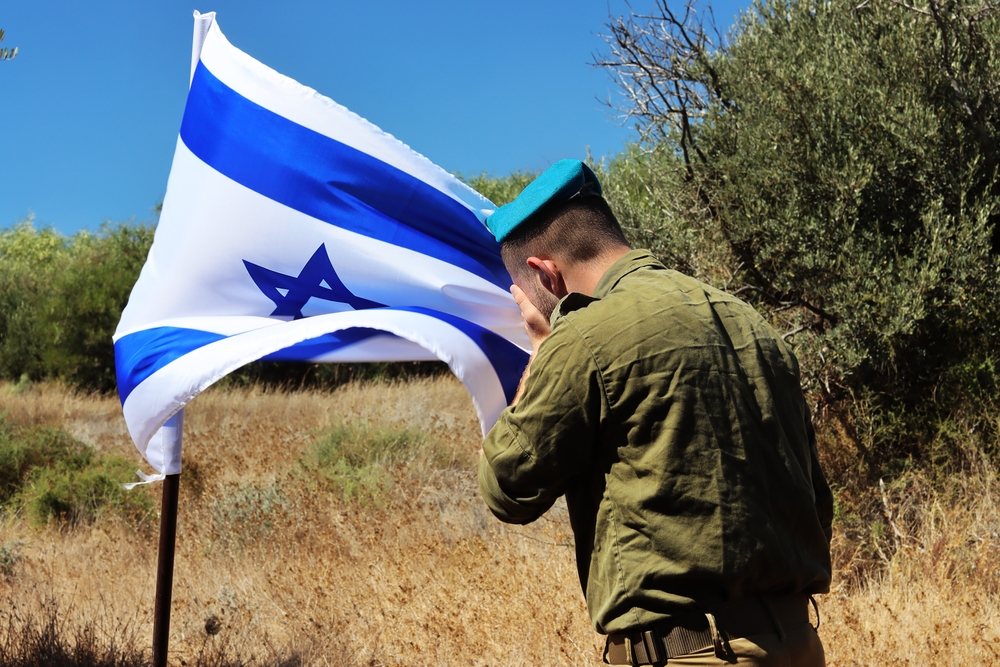
The ongoing conflict between Israel and Hamas has seen innovative tactics employed, including Israel’s recent use of exploding communication devices. This strategy echoes historical surprise attacks and assassination attempts, demonstrating the evolving nature of warfare.
Israel’s detonation of terrorists’ beepers, cell phones, and walkie-talkies targeted groups such as Iran, Hamas, and Hezbollah. This tactic, while effective, raises questions about civilian casualties and compliance with international law.
Similar strategies have been employed throughout history, including assassination attempts on Castro and Hitler. These operations often involved elaborate schemes and cutting-edge technology of their time, much like Israel’s current approach.
The use of surprise attacks and unconventional methods continues to shape modern conflicts, blurring the lines between traditional warfare and covert operations.
In conclusion, Israel’s targeted detonations of communication devices highlight the ongoing evolution of covert warfare tactics. As technology advances, so too do the methods governments employ to gain strategic advantages. While these operations can be effective in neutralizing specific threats, they also raise ethical questions about civilian casualties and international norms. As you consider the examples presented, it’s crucial to reflect on the broader implications of such tactics for global security and diplomacy. The line between innovative strategy and violation of international law remains blurry, leaving us to ponder the future of warfare in an increasingly connected world.

Family offices are increasingly investing in AI technology to enhance operations and decision-making. Discover the latest trends.

Explore how AI integration is reshaping family office strategy and operations in 2026.

Discover how artificial intelligence is reshaping family office operations in 2026.
Protected by reCAPTCHA — the Google Privacy Policy and Terms of Service apply.
Join the discussion
Comments are open to signed-in members. Sign in to add yours, or apply to join the network.
Sign in Apply for FON+