Private Aviation: A Key Component of Luxury Travel for Family Offices
Explore how private aviation is redefining luxury travel for family offices.
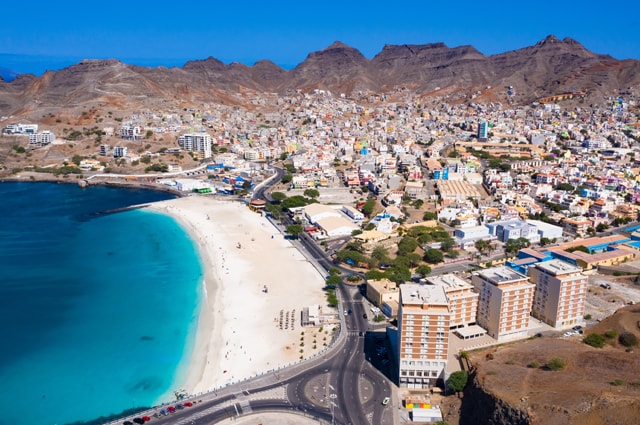
Darlings, gather ’round and put down those financial reports for a moment. It’s time we had a little tête-à-tête about a destination that’s about to make your St. Tropez villa look positively pedestrian. I’m talking, of course, about Cape Verde – that delightful archipelago off the coast of West Africa that you’ve probably never heard of, unless you’re particularly fond of obscure geography trivia or have a penchant for poking about on Google Earth after your third martini.
Now, I know what you’re thinking. “Cape Verde? Isn’t that where they make those lovely green vegetables?” No, dear heart, that’s kale. And please, do try to keep up. Cape Verde, or Cabo Verde if you’re feeling particularly continental, is a nation of ten islands and five islets floating in the Atlantic Ocean, approximately 570 kilometres off the coast of Senegal. It’s like someone took the best bits of the Caribbean, Africa, and Europe, threw them in a blender, and sprinkled the result across the ocean. Voila! Cape Verde.
But before you dismiss this as just another sun-soaked paradise (because heaven knows you’ve seen enough of those on your yacht trips), let me assure you that Cape Verde is so much more. It’s a place where business opportunities are as plentiful as the beaches, where the investment climate is as warm as the tropical breeze, and where you can finally use that “out of office” email without feeling guilty. Well, maybe just a little guilty.
So, fasten your seatbelts, adjust your monocles, and prepare for a journey that will make your last board meeting seem as exciting as watching paint dry. Welcome to Cape Verde, where business meets pleasure, and your accountant might finally stop sweating over your expense reports.
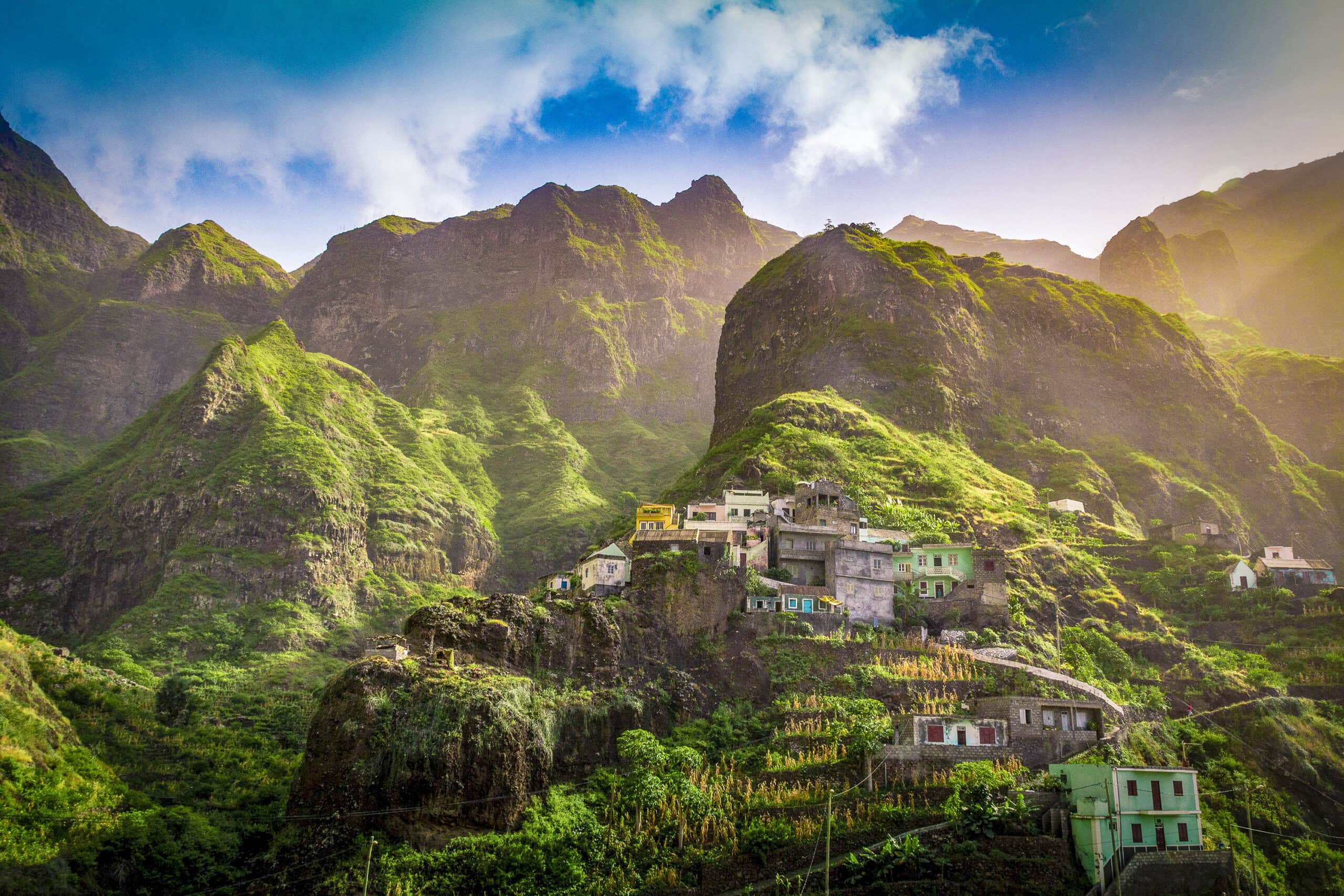
Let’s start with the basics, shall we? Cape Verde is a tiny nation, covering just over 4,000 square kilometres. That’s smaller than your average oligarch’s estate, but don’t let its diminutive size fool you. What Cape Verde lacks in landmass, it more than makes up for in diversity and charm.
The archipelago is divided into two groups: the Barlavento (windward) islands in the north, and the Sotavento (leeward) islands in the south. Each island has its own unique character, like a dysfunctional family at a reunion, but infinitely more pleasant.
There’s Santiago, the largest island and home to the capital city of Praia. Think of it as the responsible older sibling of the group, always trying to keep everyone in line while secretly wishing it could let loose once in a while.
Then you have Sal and Boa Vista, the beach bums of the family. These flat, sandy islands are where you’ll find most of the tourist resorts. They’re like the trust fund babies of the archipelago – beautiful, popular, but not particularly productive.
Fogo, with its active volcano, is the drama queen of the group. It’s always threatening to erupt and steal the spotlight. São Vicente, on the other hand, is the cool, artsy one, with its vibrant music scene and cultural festivals.
Santo Antão is the rugged outdoorsy type, with dramatic mountains and lush valleys. It’s where you go when you want to pretend you’re an intrepid explorer, without actually having to rough it too much.
And let’s not forget the smaller islands like Brava, Maio, and São Nicolau. They’re like the quiet cousins at the family gathering – often overlooked, but full of hidden charms if you take the time to get to know them.
Now, let’s talk about the weather, because I know how you financiers love your forecasts. Cape Verde boasts a tropical climate that’s more stable than most emerging market economies. With temperatures hovering between 20°C and 30°C year-round, it’s like someone took the best bits of the Mediterranean and the Caribbean and created a climate Frankenstein’s monster – but in a good way.
The islands experience two seasons: the dry season from November to July, and the rainy season from August to October. And when I say “rainy season,” I use the term loosely. We’re talking about occasional showers, not the kind of monsoons that would put a damper on your golf game or force you to actually use that umbrella you bought as a fashion accessory.
One thing to note: the islands can get quite windy, especially between October and March. It’s nature’s way of ensuring your designer hairdo doesn’t stay perfect for too long. Consider it a free styling service.
But here’s the real kicker: Cape Verde is one of the few places in the world where you can experience a “bruma seca” or dry mist. It’s a phenomenon caused by fine dust blown over from the Sahara. Think of it as a spa treatment for your lungs, courtesy of Mother Nature. Your personal trainer back home would probably charge you extra for that.
Now, I know history might not be your strong suit (unless we’re talking about the history of the FTSE 100), but bear with me. Cape Verde’s past is more intriguing than the plot of your favourite hedge fund manager’s insider trading trial.
The islands were uninhabited until the 15th century when Portuguese explorers stumbled upon them. Presumably, they were looking for India and got spectacularly lost, but their navigational incompetence turned out to be a stroke of luck for Portugal.
Cape Verde quickly became an important stopover point for slave ships crossing the Atlantic. Yes, darling, I’m afraid it’s not all sunshine and cocktails in the historical department. But before you start feeling too guilty, remember that your family’s wealth probably wasn’t built on altruism either.
The islands gained independence from Portugal in 1975, which in historical terms is practically yesterday. Since then, they’ve been working on building a stable democracy and economy. It’s like watching a start-up nation, only with better beaches and less Silicon Valley jargon.
Today, Cape Verde is known for its political stability, which in West African terms is like being known for your temperance at a City of London Christmas party. It’s all relative, darling.
Now we’re getting to the part you’ve all been waiting for. Put away your checkbooks for a moment and pay attention, because Cape Verde’s economy is more interesting than you might think – and I promise that’s not just the caipirinha talking.
Cape Verde’s economy is service-oriented, with commerce, transport, and public services accounting for about three-quarters of GDP. Tourism is the star performer, contributing about 25% to GDP. It’s like they’ve taken a page out of the Maldives’ playbook, only with more cultural depth and fewer overwater bungalows (for now).
The country has made impressive strides in economic development since independence. It’s graduated from Least Developed Country status to Lower Middle Income status, which in development terms is like moving from Primark to Marks & Spencer. Not quite Harrods yet, but definitely on the up and up.
But here’s where it gets interesting for you, my dear capitalists. Cape Verde is actively seeking foreign investment to drive its economic growth. The government has implemented a range of incentives for foreign investors, including tax breaks, streamlined bureaucracy, and the ability to repatriate profits. It’s like they’ve rolled out the red carpet, only instead of paparazzi at the end, there’s a team of eager government officials ready to fast-track your investment proposals.
Key sectors ripe for investment include tourism (obviously), renewable energy (they’re aiming for 50% renewable energy by 2030), blue economy initiatives (think sustainable fishing and marine tourism), and technology (they’re positioning themselves as a digital hub for Africa).
And let’s not forget about real estate. With its stunning landscapes and growing tourism sector, Cape Verde is a prime location for luxury resort development. It’s like getting in on the ground floor of the next Marbella, only with fewer Russian oligarchs (for now).
But a word of caution: while the investment climate is favourable, this is still an emerging market. Don’t expect the same level of infrastructure and support you’d find in Monaco or the Cayman Islands. Think of it as an adventure in frontier investing – with the added bonus of being able to write off your fact-finding trips to the beach as business expenses.
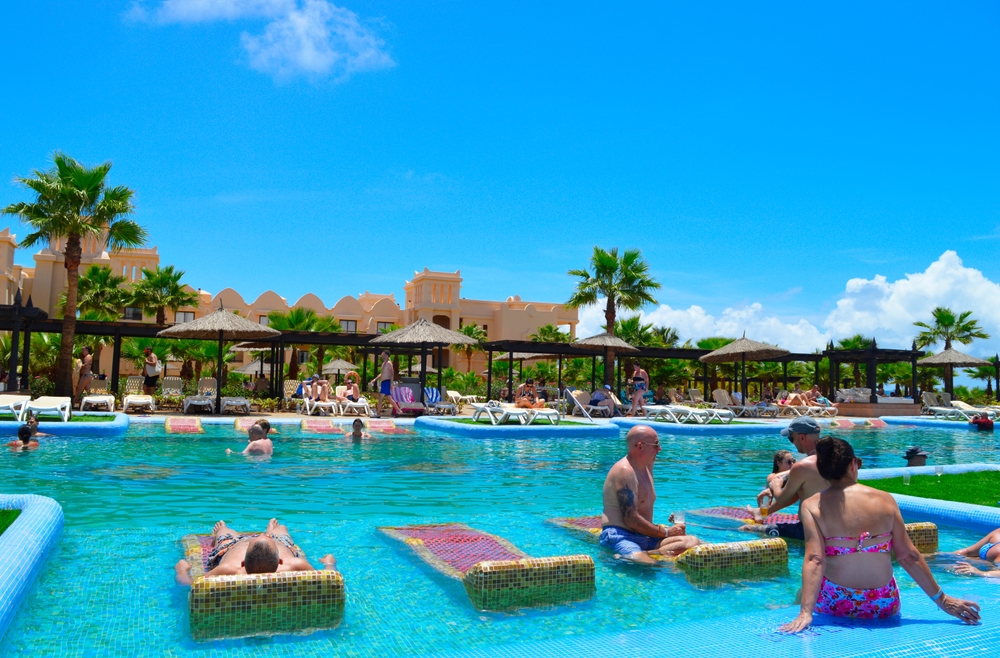
Ah, tourism – the lifeblood of Cape Verde’s economy and your excuse to visit under the guise of “market research.” The islands welcomed over 800,000 visitors in 2019 (pre-pandemic, of course), a number that’s set to grow as more people discover this Atlantic paradise.
Sal and Boa Vista are the current darlings of the tourist scene, with their endless beaches and all-inclusive resorts. They’re perfect for those times when you want to pretend you’re in the Caribbean without the long-haul flight or the risk of bumping into your ex-wife and her new yoga instructor husband.
But for those of you who prefer your vacations with a side of culture and adventure, the other islands offer plenty to explore. Hike the volcanic landscapes of Fogo, where you can sample wine grown on the slopes of an active volcano. It’s like Napa Valley, but with the added excitement of potential lava flows.
On São Vicente, immerse yourself in the islands’ rich musical heritage. Cape Verde gave the world Cesária Évora, the “Barefoot Diva,” whose mournful mornas will have you feeling emotions you thought you’d successfully suppressed years ago.
For the adrenaline junkies among you (and I know there are a few – I’ve seen your trading strategies), Santo Antão offers world-class hiking and canyoning. It’s the perfect place to finally use all that expensive outdoor gear you bought during your midlife crisis.
And let’s not forget about the water sports. With consistent trade winds, Cape Verde is a mecca for kitesurfing and windsurfing. It’s like having your own private wave pool, only with more excitement and a higher risk of embarrassing wipeouts.
Now, I know you’re all wondering, “But where will I rest my weary head after a long day of pretending to work while actually lounging by the pool?” Fear not, my discerning friends. Cape Verde offers a range of accommodation options to suit even the most pampered traveller.
On Sal and Boa Vista, you’ll find the usual suspects – large, all-inclusive resorts that cater to your every whim. Think infinity pools, spa treatments, and enough buffet options to make your personal nutritionist weep. The Hilton Cabo Verde Sal Resort is a popular choice, offering all the amenities you’d expect from a five-star international chain, with the added bonus of being able to earn points for your next “business trip.”
For those who prefer a more boutique experience, the Pestana Tropico Hotel in Praia offers a taste of luxury in the capital city. It’s perfect for when you want to pretend you’re actually there for business, not just to work on your tan.
But if you really want to impress, why not rent out an entire villa? The White Villa on Sal Island offers privacy, luxury, and enough space to house your entire entourage. It’s like having your own private resort, only without the risk of running into other guests at the breakfast buffet.
And for the truly adventurous (or those trying to impress their much younger significant others), why not try a spot of “glamping” on Santo Antão? The Pedracin Village offers eco-lodges with stunning views of the mountains. It’s like camping, but with actual beds and running water. How novel.
Now, I know some of you might be worried about the culinary scene. After all, you can’t survive on caviar and champagne alone (well, you could, but your doctor might have something to say about it). Fear not, for Cape Verdean cuisine is a delightful fusion of Portuguese, African, and Brazilian influences.
The national dish is cachupa, a hearty stew of corn, beans, and fish or meat. It’s like a warm hug for your stomach, only without the awkward physical contact. For seafood lovers, the fresh catch of the day is always a good bet. From grilled lobster to octopus salad, it’s all so fresh you’d think it jumped straight from the ocean onto your plate.
And let’s not forget about the drinks. Cape Verde produces its own wine, including the unique “vinho do fogo” grown on the volcanic slopes of Fogo Island. It’s like drinking history, with notes of defiance and a hint of potential disaster. For something stronger, try the local grogue, a rum-like spirit made from sugarcane. It’s guaranteed to make even the most boring business dinner seem entertaining.
But don’t worry, if your palate is less adventurous, most high-end resorts offer international cuisine. You can still get your foie gras fix, if you must.
Now, I know you’re all masters of the business lunch and experts at navigating the complex world of corporate etiquette. But Cape Verde might throw you a few curveballs. Here are some tips to keep you from making a faux pas that could cost you millions (or at least a few embarrassing moments):
Now, I know some of you are used to simply pointing at a map and having your private jet whisk you away. But for the rest of us mere mortals (or those trying to keep a low profile from the tax authorities), getting to Cape Verde requires a bit more planning.
The good news is that Cape Verde has four international airports: Amílcar Cabral International Airport on Sal, Aristides Pereira International Airport on Boa Vista, Nelson Mandela International Airport on Santiago, and Cesária Évora Airport on São Vicente. The bad news is that direct flights from major cities are still somewhat limited.
Most visitors arrive via charter flights or through connections in Lisbon, Madrid, or Casablanca. Think of it as a treasure hunt, only instead of a map with an X, you have a confusing array of flight options and potential layovers.
For those of you island hopping within Cape Verde, domestic flights are available, operated by Binter CV. Just don’t expect the kind of punctuality you’re used to with your private charter. Consider any delay an opportunity to practice your Portuguese or perfect your caipirinha-sipping technique.
And for the truly adventurous (or those trying to impress their eco-conscious millennial children), inter-island ferries are an option. Just be prepared for a journey that’s more “authentic local experience” and less “luxury cruise.”
Now, let’s get down to brass tacks, shall we? Cape Verde isn’t just a pretty face – it’s a treasure trove of investment opportunities for those savvy enough to see beyond the swaying palms and turquoise waters.
Remember, though, that investing in an emerging market like Cape Verde comes with its own set of challenges. The infrastructure isn’t always up to the standards you might be used to, bureaucracy can be a bit of a headache, and you might have to actually learn a bit of Portuguese. But think of it as an adventure – one that could potentially make you even richer than you already are.
Now, I know you’re all worldly individuals who can navigate a Michelin-starred restaurant menu in at least three languages. But Cape Verde might throw you a few cultural curveballs. So pay attention, darlings – this could be the difference between sealing the deal and accidentally insulting your host’s great-grandmother.
First off, Cape Verdean culture is a delightful mix of African and Portuguese influences, with a dash of Brazilian flair thrown in for good measure. It’s like a cultural cocktail that’s been shaken, stirred, and left to mature in the Atlantic sun for a few centuries.
The concept of “morabeza” is central to Cape Verdean culture. It’s a kind of warmth and hospitality that goes beyond mere politeness. Think of it as “southern hospitality” cranked up to 11, with a side of island laid-back attitude. So if you’re invited to someone’s home, do accept – it’s not just courtesy, it’s an opportunity to experience true Cape Verdean culture. Just don’t expect to leave hungry or sober.
Music is the lifeblood of Cape Verde. From the melancholic mornas to the upbeat coladeiras, music is everywhere. Don’t be surprised if your business dinner turns into an impromptu concert. And for heaven’s sake, try to tap your foot in time with the music – your rhythmic ineptitude is showing.
When it comes to language, Portuguese is the official tongue, but Cape Verdean Creole is what you’ll hear on the streets. Making an effort to learn a few phrases will earn you major brownie points. Start with “obrigado” (thank you) and work your way up to “mais uma cerveja, por favor” (another beer, please). You’ll be practically fluent in no time.
Time, as mentioned earlier, is a fluid concept here. “Island time” is real, and it can be frustrating for those used to Swiss punctuality. Think of it as an opportunity to practice patience, or at least perfect your “I’m not annoyed, just deeply contemplating the meaning of life” face.
Religion plays a significant role in Cape Verdean society, with the majority being Roman Catholic. If you’re invited to a religious festival or celebration, do attend – it’s a great way to experience local culture. Just try not to look too bewildered by all the incense and chanting.
And finally, a word on dress code. While business attire is generally more relaxed than in Europe or North America, beachwear is for the beach. Yes, even if your hotel is right on the sand. No one wants to see your designer swim trunks in the boardroom, no matter how much they cost.

Now, I know you’re all used to having your personal physician on speed dial and a team of bodyguards at your beck and call. But in Cape Verde, you might need to take a slightly different approach to health and safety. Don’t worry, it’s not quite as dramatic as getting your shots for a safari, but a little preparation goes a long way.
First off, the good news: Cape Verde is generally a safe destination with low crime rates. You’re more likely to be knocked over by a wayward kitesurfer than mugged in the street. However, do exercise common sense – flashing your Rolex collection around might not be the wisest move.
When it comes to health, the biggest risk is probably sunburn. The Cape Verdean sun is strong enough to toast even the most resilient English rose. So slather on that SPF like your life depends on it – because your youthful appearance certainly does.
Tap water is generally not safe to drink, so stick to bottled water. Yes, even for brushing your teeth. Consider it an opportunity to sample the local mineral water market – who knows, you might discover the next Evian.
While Cape Verde is not a malarial zone, mosquitoes can still be a nuisance. Pack some insect repellent, or risk spending your entire trip scratching like you’ve got a bad case of investor’s itch.
If you do need medical attention, the larger islands have decent hospitals and clinics. However, for anything serious, you might need to be evacuated to the mainland. So yes, that comprehensive travel insurance is worth it – consider it an investment in your peace of mind.
And finally, a word on adventure sports. Yes, kitesurfing looks exhilarating. No, that doesn’t mean you should attempt it after a three-martini lunch. Safety first, darlings – your shareholders will thank you.
So there you have it, my dear capitalists with a penchant for sun, sea, and potentially lucrative investment opportunities. Cape Verde: a destination that offers the perfect blend of business and pleasure, with a dash of the exotic and a sprinkle of the familiar.
It’s a place where you can close million-dollar deals in the morning and kitesurf in the afternoon. Where you can sample fine wines grown on the slopes of an active volcano, then retire to your luxury villa with views that would make even the most jaded Instagram influencer weep with envy.
But beyond the pristine beaches and potential profits, Cape Verde offers something truly rare in today’s world: the chance to be part of something on the cusp of greatness. It’s an emerging market that hasn’t yet lost its soul to over-development, a culture rich in tradition yet open to the future, a nation small in size but big in ambition.
So the next time you’re pondering where to park your yacht or your next million, why not consider Cape Verde? It’s got all the luxury you’re accustomed to, with an added dash of adventure that your perfectly manicured life might just be missing.
Who knows? You might return home with more than just a tan and a few new entries in your investment portfolio. You might come back with a new perspective, a renewed sense of purpose, and maybe – just maybe – a slightly more laid-back approach to life.
After all, if a tiny archipelago in the middle of the Atlantic can transform itself from a former colony into a beacon of stability and growth in West Africa, surely you can take a week off without checking your stocks every five minutes. Right?
So pack your bags (don’t forget the sunscreen), dust off your Portuguese phrasebook, and get ready for a journey that’s equal parts business and pleasure, familiar and exotic, potential goldmine and tropical paradise.
Cape Verde is waiting. And trust me, it’s got a view that will make your corner office in Canary Wharf look like a broom cupboard.
Just don’t forget to write. Preferably on a postcard. With a real stamp. Because some things are worth doing the old-fashioned way, even in this digital age.
And who knows? You might just find that the next big thing isn’t in Silicon Valley or Wall Street, but on a sun-drenched archipelago in the Atlantic. Now wouldn’t that make for an interesting story at your next shareholders’ meeting?

Explore how private aviation is redefining luxury travel for family offices.

Private aviation is reshaping luxury travel for UHNW families in 2026. Discover the latest trends and insights.

Discover how private aviation is transforming travel for ultra-wealthy families in 2026. Learn the latest trends and insights.
Protected by reCAPTCHA — the Google Privacy Policy and Terms of Service apply.
Join the discussion
Comments are open to signed-in members. Sign in to add yours, or apply to join the network.
Sign in Apply for FON+