Maximizing Family Office Travel Through Private Aviation Strategies
Explore how private aviation strategies can enhance family office travel experiences.

Designing a travel itinerary for private jet trips involves careful planning that can significantly enhance the overall experience. Maximizing both efficiency and enjoyment is key.
When considering private aviation, families must decide between whole ownership, fractional ownership, or chartering. Each option presents different benefits and drawbacks, and understanding these can impact the efficiency of your travel itinerary.
Whole ownership gives a family complete control over the aircraft. This option is ideal for those who fly frequently and prefer personalized service, scheduling flexibility, and the assurance of aircraft availability. However, it requires a significant capital investment and ongoing costs related to maintenance, crew salaries, and insurance.
Fractional ownership allows families to purchase a share of an aircraft, providing access to a private jet without the full costs of ownership. This model offers flexibility and reduced financial responsibility, but it may come with limitations regarding availability depending on other shareholders’ usage.
Chartering is a flexible option that allows families to book flights on an as-needed basis. This arrangement is cost-effective for infrequent travelers or those uncertain of their future travel needs. However, it lacks the immediacy and convenience that ownership provides, particularly during peak travel times when demand may exceed supply.
A comprehensive travel itinerary should cover all aspects of the journey, from departure to arrival. Key considerations include destination logistics, timing, and personal preferences.
Select destinations that align with family interests—whether for leisure, business, or both. Prioritize locations with suitable private airfields to maximize efficiency. Additionally, consider proximity to activities or accommodations to enhance the travel experience.
When creating a travel schedule, factor in travel time, potential delays, and layover durations. Consider the time required for pre-flight procedures, including customs and security checks. Families should aim to optimize flight schedules to minimize downtime.
Integrate activities into the itinerary that cater to all family members. Consider making reservations for dining, entertainment, or excursions in advance to ensure availability. This proactive approach can elevate the overall experience and eliminate last-minute stresses.
Beyond the itinerary, logistical considerations play a crucial role in the success of a private jet trip. These include crew arrangements, maintenance reserves, and insurance coverage.
When planning a trip, ensure that experienced and qualified crew members are available. For whole or fractional ownership, staffing typically includes a pilot and co-pilot, while charter services provide qualified crews. Evaluate crew experience, training, and customer service skills to align with the family’s expectations.
Aircraft maintenance is an ongoing responsibility. Create a maintenance reserve plan that anticipates regular servicing and unexpected repairs. This foresight helps maintain aircraft reliability and safety, ensuring readiness for each trip.
Proper insurance coverage is essential to safeguarding the aircraft and its occupants. Assess different insurance policies based on the flight profile, including hull insurance and liability coverage. Consulting with aviation insurance specialists can help tailor coverage to specific needs.
For families that own aircraft, chartering out can provide additional revenue streams, helping offset ownership costs. This option requires careful management and adherence to regulatory requirements.
Choosing the appropriate registration and flag for the aircraft is crucial for operational flexibility. Some families opt for foreign registration to take advantage of different regulatory environments, potentially enhancing charter opportunities.
Before chartering out, conduct a market analysis to determine pricing structures and demand in various regions. This research can inform how to position the aircraft competitively within the charter market.
A finalized itinerary should provide a clear overview of the trip, including flights, accommodation details, and activity schedules. Ensure all family members have access to the itinerary for transparency and coordination.
Maintain open lines of communication with all parties involved in the trip, including crew, service providers, and family members. Flexibility can be key to adapting to unforeseen challenges or changes in plans.
Develop a contingency plan for potential emergencies, including delays, cancellations, or unforeseen circumstances. Consider alternate flight options and accommodations to minimize disruption and maintain the travel experience.
Your itinerary should include flight details, destination logistics, accommodation information, activities, and emergency contacts.
Optimize scheduling, select convenient destinations, and pre-arrange activities to minimize downtime during your trip.
Fractional ownership provides access to private jets without the full costs of ownership, offering flexibility and shared usage among co-owners.
Consult with aviation insurance specialists to tailor coverage to your flight profile, ensuring adequate hull and liability coverage.
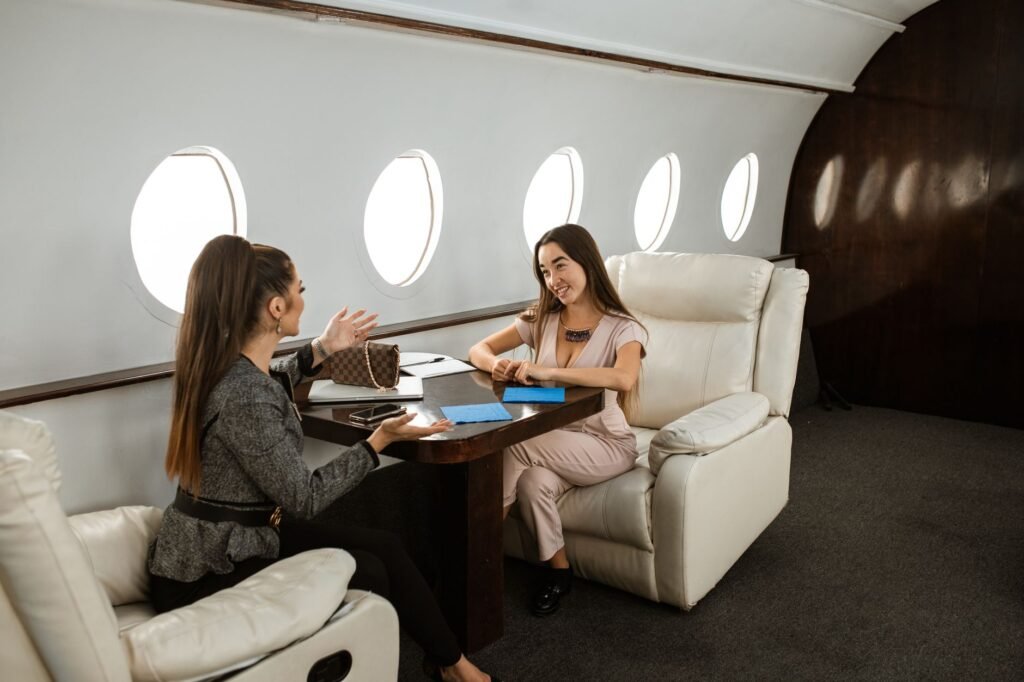
Explore how private aviation strategies can enhance family office travel experiences.
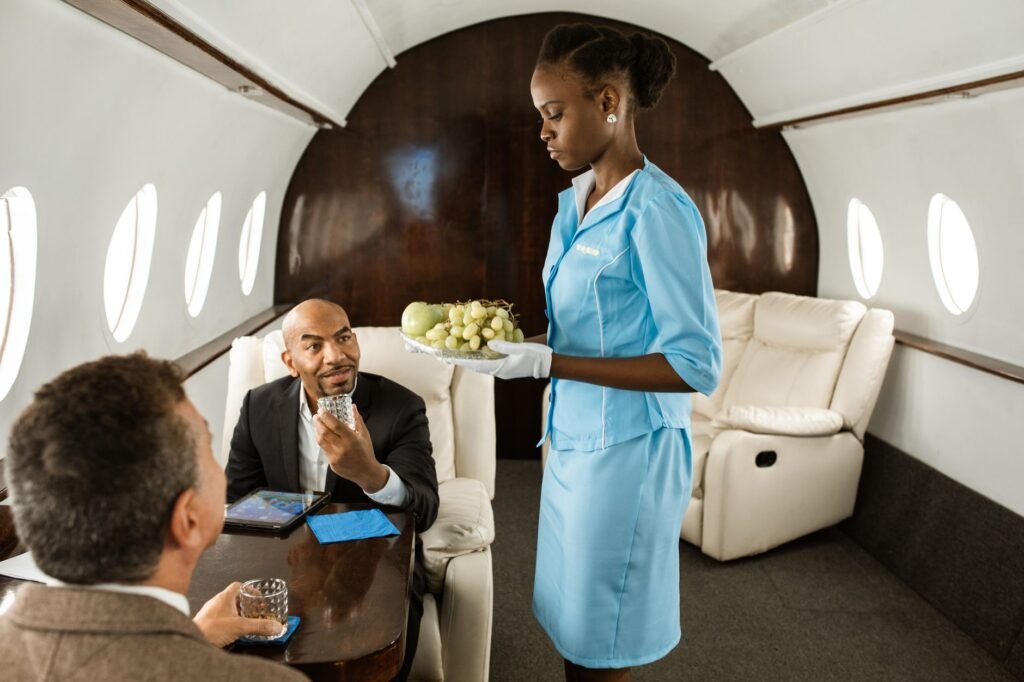
Explore how luxury travel trends are reshaping family office aviation strategies in 2026.

Discover how private aviation is transforming travel for family offices in 2026.
Protected by reCAPTCHA — the Google Privacy Policy and Terms of Service apply.
Join the discussion
Comments are open to signed-in members. Sign in to add yours, or apply to join the network.
Sign in Apply for FON+