The Allure of Luxury Yachts: A Family Office Investment Perspective
Luxury yachts are becoming a key investment for family offices, blending leisure and asset appreciation.

Effectively displaying collections can significantly enhance their value and enjoyment. Strategically curating your collectible assets not only showcases their provenance but also captivates the interests of future generations.
Displaying collectibles is not merely about aesthetics; it’s an integral part of how these assets are perceived, valued, and enjoyed. The manner in which collections are presented can influence their market value, as well as their significance within the family. A well-curated display engages the viewer, telling a story of provenance and passion while also demonstrating the care invested in the collection.
When considering a display strategy, it’s essential to think about the following factors:
The environment in which collectibles are displayed can greatly affect their perceived value. Natural light, humidity, and temperature can all impact the condition of items, especially delicate pieces such as art or wine. Choosing the right setting involves attention to detail regarding:
Additionally, the layout should allow for ease of movement and viewing. Consider using platforms, shelves, or cases that highlight the unique aspects of each collectible while ensuring they are accessible for closer inspection.
Effective showcasing requires curatorial skill. Consider the thematic arrangement of items, grouping them by type, era, or provenance to create a narrative that resonates with viewers. This storytelling aspect enhances the emotional connection people have with collectibles.
Strategic displays can include:
In doing so, you not only enhance the enjoyment for family and friends but also elevate the perceived value of the collection itself.
As family offices think about the long-term stewardship of collections, integrating the next generation into the display strategy is crucial. Engaging younger family members in the presentation and care of collectibles fosters appreciation and continuity. This can be achieved by involving them in:
While displaying collectibles is essential for enjoyment and appreciation, it’s equally crucial to protect these assets through proper insurance and regular valuation. Insurance policies should be tailored to the unique characteristics of the collection, ensuring that each item is adequately covered against potential risks.
Regular valuation helps in understanding the current worth of the collection, which is critical not only for insurance purposes but also for estate planning and potential future sales. Engage with professionals who specialize in collectible valuation to ensure accurate appraisals.
As family offices refine their collection strategies, the focus must shift to how these assets are displayed, preserved, and appreciated. The best practices outlined here serve to enhance the value of collections while ensuring their enjoyment for generations to come. The most forward-thinking offices will not only protect their assets but will also create environments that foster appreciation and engagement, ensuring that the stories behind these collections continue to resonate.
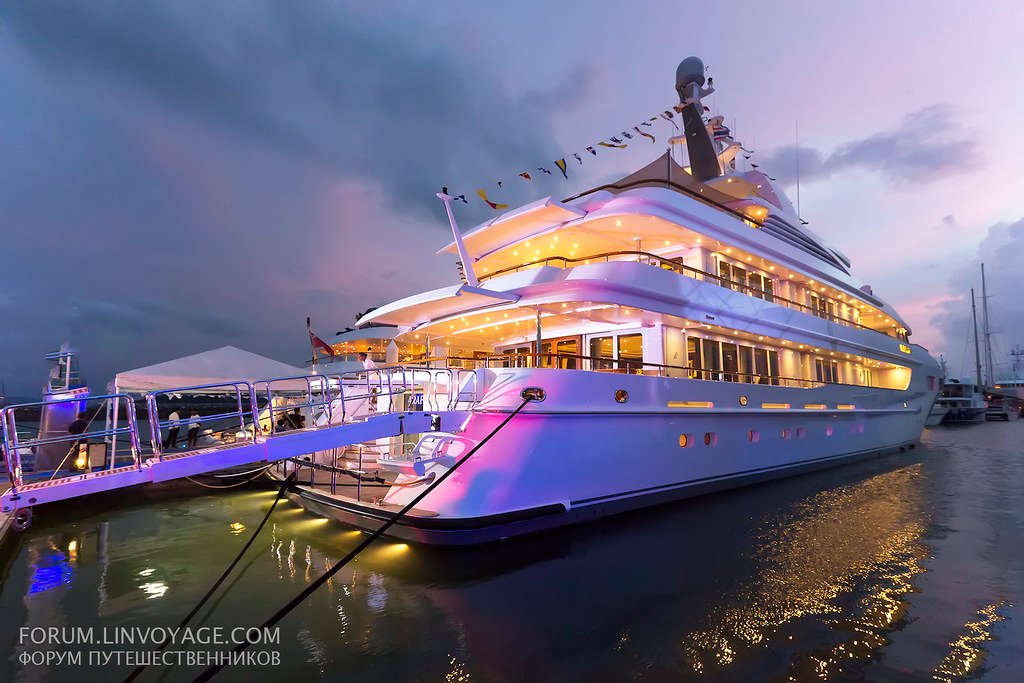
Luxury yachts are becoming a key investment for family offices, blending leisure and asset appreciation.
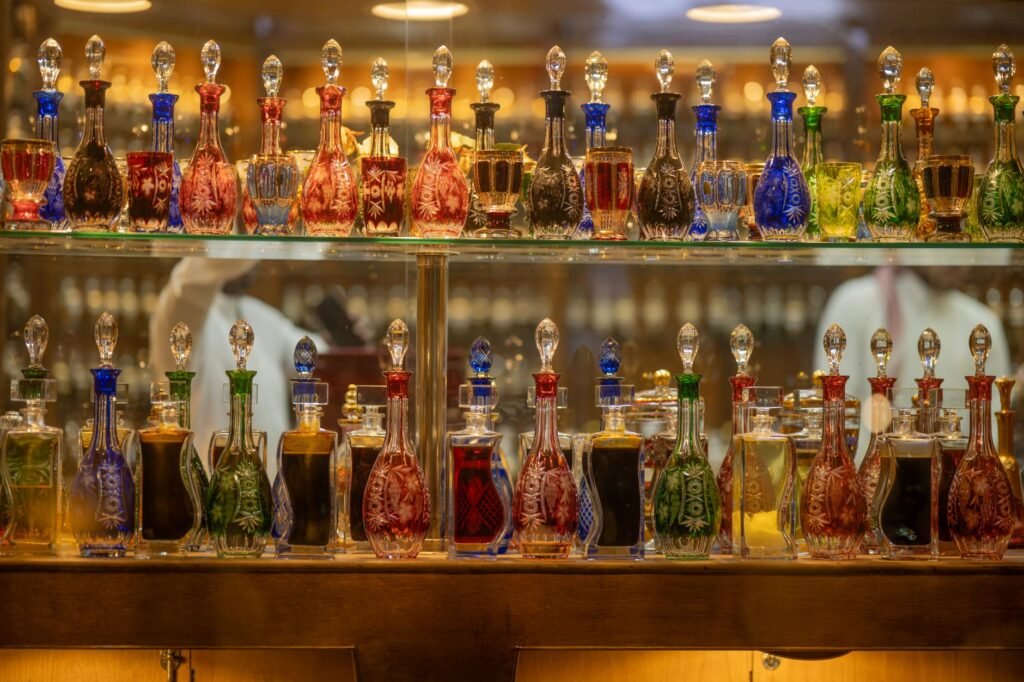
Discover how luxury collectibles are becoming essential assets for family offices in 2026.
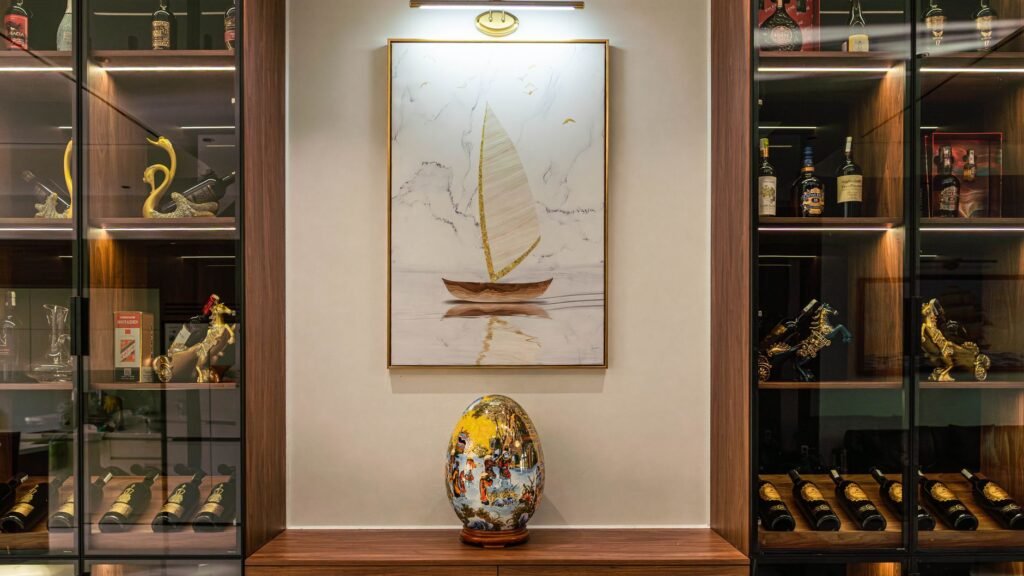
Discover why luxury collectibles are becoming essential assets for family offices.
Protected by reCAPTCHA — the Google Privacy Policy and Terms of Service apply.
Join the discussion
Comments are open to signed-in members. Sign in to add yours, or apply to join the network.
Sign in Apply for FON+