The Allure of Luxury Yachts: A Family Office Investment Perspective
Luxury yachts are becoming a key investment for family offices, blending leisure and asset appreciation.

The world of collectibles transcends mere financial metrics, as the emotional value attached to these assets can profoundly influence perceptions of worth. Understanding this emotional landscape is crucial for collectors and family offices alike.
Emotional value refers to the personal significance and connection that individuals attach to their collectibles. This value can stem from various factors, including nostalgia, personal experiences, or familial ties. Unlike financial value, which is quantifiable and market-driven, emotional value is subjective and often unique to the individual collector.
For example, a vintage watch may hold immense financial worth due to its rarity, but its emotional value may be tied to the collector’s late grandfather who wore it. Understanding this distinction can help family offices navigate the complexities of valuing collectibles within their balance sheets.
Several aspects contribute to the emotional value of collectibles, including:
When integrating collectibles into a family office’s portfolio, several practical considerations arise. These elements ensure that emotional and financial values are effectively managed and preserved.
Establishing the authenticity and provenance of collectibles is paramount. This involves verifying the item’s history, condition, and previous ownership. Accurate documentation and certification can bolster both financial and emotional value. Collectors should work with reputable experts and institutions to authenticate their items.
Insuring collectibles is essential for safeguarding emotional investments. Insurers often require a professional appraisal, which can be influenced by market trends but should also account for emotional value. Family offices should seek appraisers familiar with the specific type of collectible to ensure an accurate assessment.
Proper storage and care are critical for preserving the emotional value of collectibles. Factors such as climate control, display methods, and handling techniques can all affect an item’s condition. Family offices should invest in appropriate storage solutions, ensuring that items remain in pristine condition for future generations.
As with any significant asset, succession planning is vital for collectibles. Family offices should consider how emotional value will affect future generations’ perceptions and management of these assets.
Engaging the next generation in discussions about collectibles can foster appreciation and understanding. Sharing the stories and emotional connections tied to each item can enhance their appreciation and ensure that these assets are valued beyond their financial worth.
Creating clear guidelines for the management and disposition of collectibles can prevent conflicts and misunderstandings among heirs. Family offices may want to establish a family constitution that outlines the family’s values regarding collecting and how to handle significant items.
The inclusion of passion assets like art, wine, and classic cars often adds emotional value to a family office’s balance sheet. While these items may fluctuate in market value, their emotional significance can remain constant.
Common categories of passion assets include:
Valuing collectibles presents unique challenges, particularly due to their emotional aspects. Market fluctuations and personal sentiments can create discrepancies between financial and emotional valuations.
Market conditions can dictate financial worth, but they may not always align with emotional value. For instance, a piece of art may appreciate significantly due to market demand, yet its emotional value may fluctuate based on personal or cultural developments. Family offices must balance these aspects when making decisions regarding buying, selling, or holding collectibles.
To effectively manage collectibles, family offices should develop a comprehensive asset management strategy that incorporates both financial and emotional dimensions. This includes:
Assess the personal connections and stories associated with each item, as well as their significance within your family history.
Ensure that the insurance policy accounts for both financial and emotional value, and work with experts familiar with your specific types of collectibles.
Share the stories behind your collectibles and involve family members in discussions about their significance and future management.
Invest in climate-controlled storage and display methods that protect the condition and emotional significance of each item.
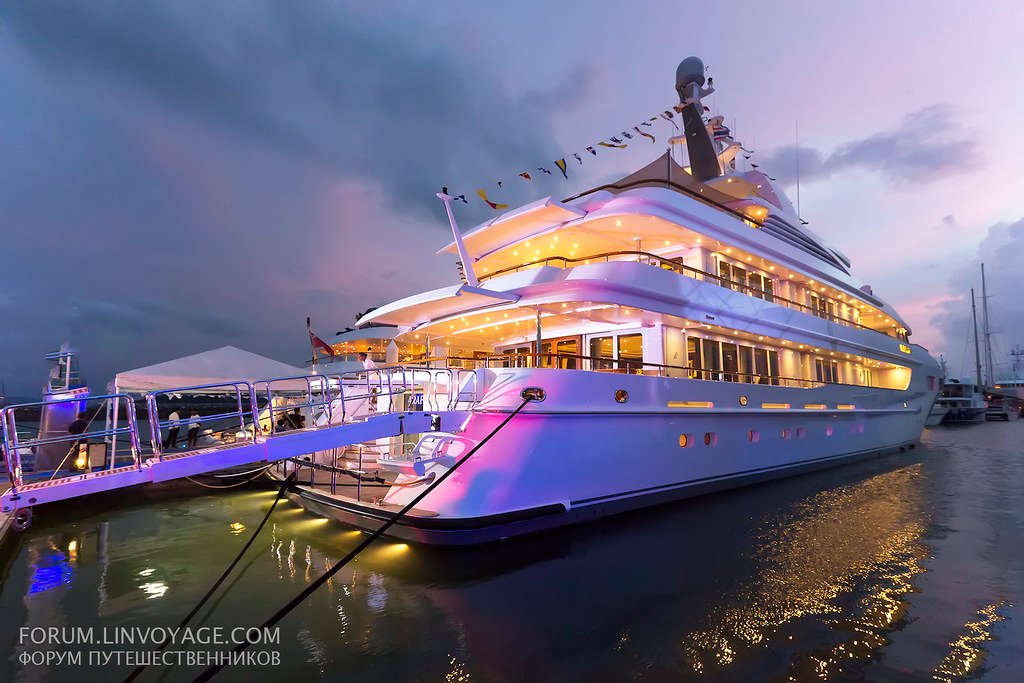
Luxury yachts are becoming a key investment for family offices, blending leisure and asset appreciation.

Discover how luxury collectibles are becoming essential assets for family offices in 2026.
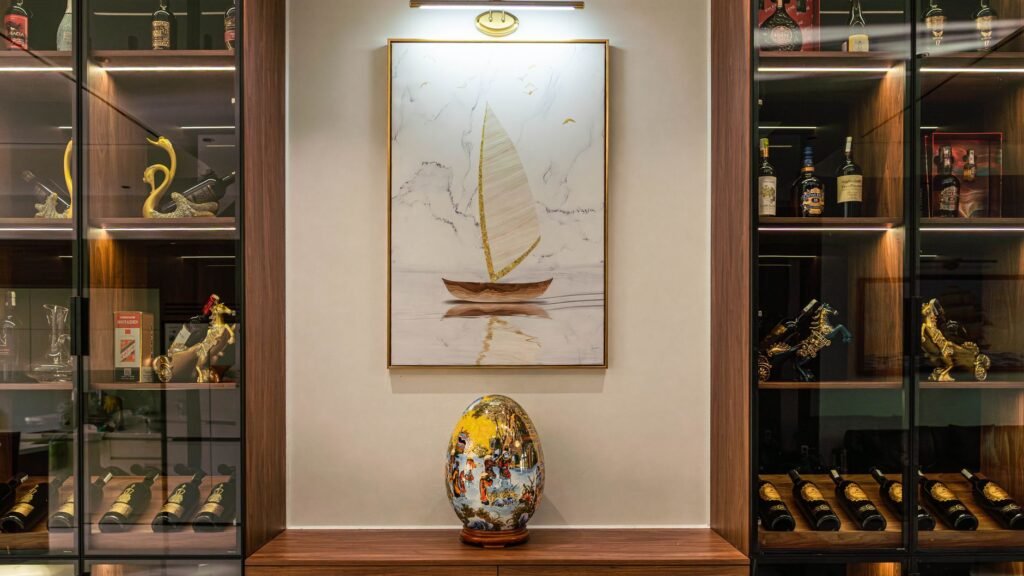
Discover why luxury collectibles are becoming essential assets for family offices.
Protected by reCAPTCHA — the Google Privacy Policy and Terms of Service apply.
Join the discussion
Comments are open to signed-in members. Sign in to add yours, or apply to join the network.
Sign in Apply for FON+