The Allure of Luxury Yachts: A Family Office Investment Perspective
Luxury yachts are becoming a key investment for family offices, blending leisure and asset appreciation.
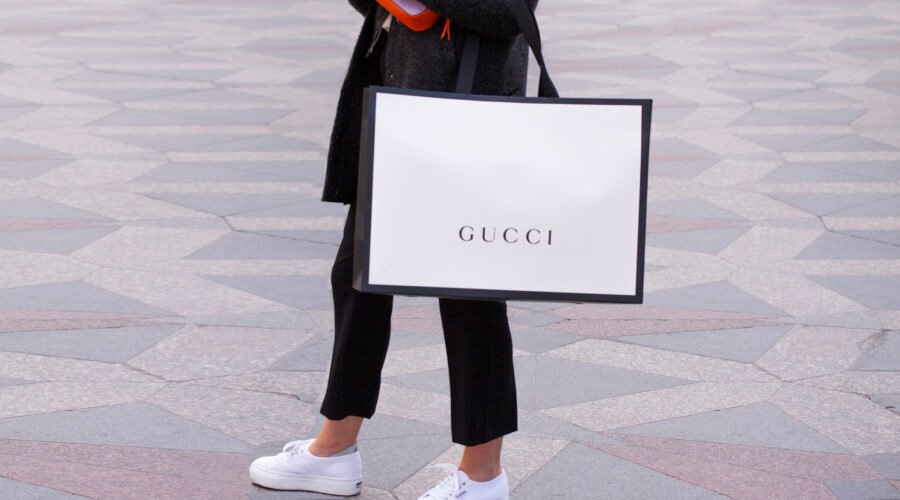
Art fairs serve as vital platforms for collectors looking to deepen their understanding of the market and expand their collections. Through interactions with artists, dealers, and fellow collectors, these events reveal opportunities and trends that are essential for informed collecting.
Art fairs have become a cornerstone of the contemporary art market, showcasing an array of works from emerging and established artists. They serve not only as marketplaces but also as cultural hubs where collectors can engage with the art community. The variety of pieces on display—from paintings to sculptures to installations—provides a unique opportunity for collectors to assess the current landscape and identify emerging trends.
Collectors attending these fairs often find themselves immersed in a diverse environment that fosters discussion and networking. This environment can lead to valuable insights into artists’ practices, provenance, and the commercial viability of certain works. As collectors navigate the booths, they can gauge the interest and demand for specific artists and styles, which can inform their future acquisition strategies.
One critical aspect of art collecting is provenance, which refers to the history of ownership of a piece. Attending art fairs allows collectors to engage directly with galleries and dealers who can provide detailed background on artworks. Understanding a piece’s provenance can significantly affect its value, as well as its appeal to future buyers.
Authentication is another essential consideration for collectors. Art fairs often feature experts who can validate the authenticity of works, providing peace of mind for buyers. This process can mitigate fears of counterfeits, which can plague the art market. By building relationships with trusted dealers and experts at these events, collectors can enhance their confidence in their acquisitions.
Once a collector has acquired art, the practicalities of ownership set in. Insurance is a crucial aspect, as art can be subject to damage or loss. Many insurance companies require detailed appraisals, which can be facilitated through connections made at art fairs. Understanding the nuances of insuring art—as well as the need for secure and climate-controlled storage—is essential for preserving value.
Collectors should also consider whether they wish to display their art or keep it in storage. Displaying pieces can enhance enjoyment and appreciation but may also expose them to risks. Engaging with other collectors at art fairs can provide insights into best practices for storage and display, helping collectors make informed decisions.
Art fairs are also valuable for gaining insights into the valuation of collectible assets. By observing pricing trends and sales patterns, collectors can better understand how market dynamics influence the value of their collections. Conversations with other collectors and dealers can shed light on comparable sales and the factors that drive value fluctuations.
As the landscape of art collecting evolves, the involvement of the next generation becomes increasingly important. Art fairs can serve as a launching pad for younger collectors to immerse themselves in the art world. By participating in these events, they can develop their tastes, learn from established collectors, and gain confidence in their purchasing decisions.
Encouraging the next generation to engage with art can also facilitate discussions around legacy and succession planning within families. By involving them in the collecting process, families can create a shared passion that may carry on through generations. This engagement is vital for ensuring that collections are appreciated and preserved long term.
Art fairs offer unparalleled networking opportunities for collectors, allowing them to connect with artists, dealers, and other collectors. Building relationships within this network can lead to potential collaborations, co-investments, or even exclusive access to certain pieces. Networking can also provide insights into private sales or upcoming exhibitions that may not be widely publicized.
Furthermore, these connections can facilitate access to expert advice on various aspects of collecting, such as valuation, storage best practices, or even navigating the complexities of art financing. Establishing a solid network can enhance a collector’s overall experience and success in the art market.
Art fairs present a unique convergence of opportunities for collectors, from insights into market trends to networking with experts. The multifaceted role that art fairs play in the art ecosystem allows collectors to refine their strategies, deepen their knowledge, and ultimately enhance their collections.
While the experience of attending an art fair can be overwhelming, approaching it with a clear strategy can yield valuable rewards. Collectors should prioritize their goals, whether it is expanding their collection, networking, or simply learning more about the art market.
Focus on the quality of the artworks, the credibility of the galleries, and the presence of artists you admire. Networking is also key, so engage with dealers and fellow collectors.
Work with reputable galleries and ask for certificates of authenticity. Building relationships with experts can also help validate pieces.
Consult with an insurance professional to understand coverage options specific to art. Regular appraisals can help maintain accurate valuations for insurance purposes.
Involve family members in discussions and decision-making processes regarding art acquisitions. Encourage visits to art fairs together to spark interest and share perspectives.
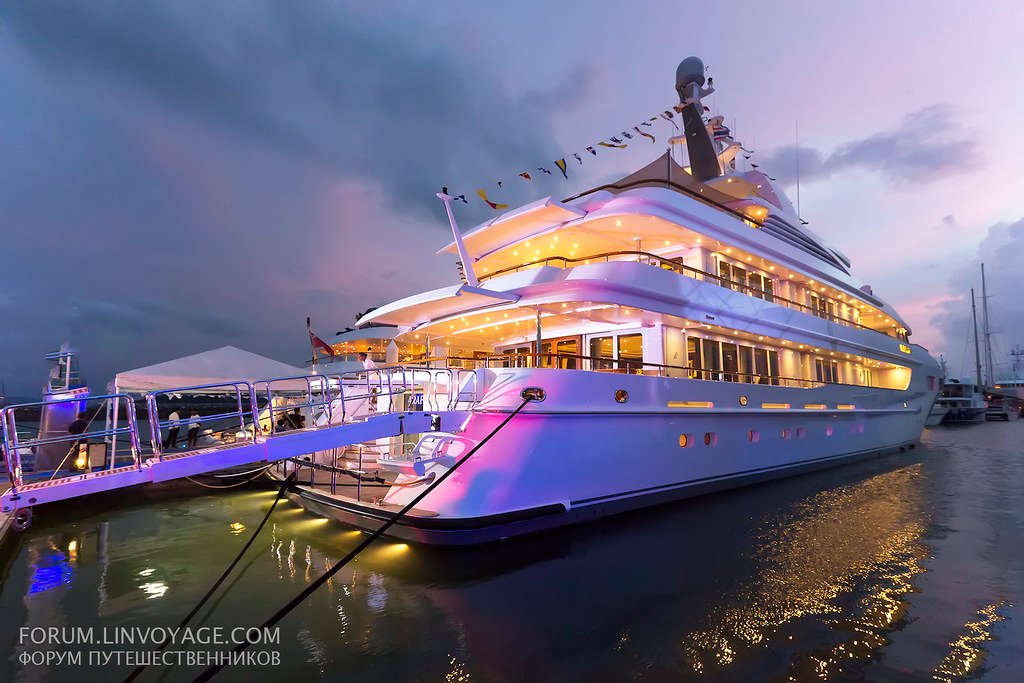
Luxury yachts are becoming a key investment for family offices, blending leisure and asset appreciation.
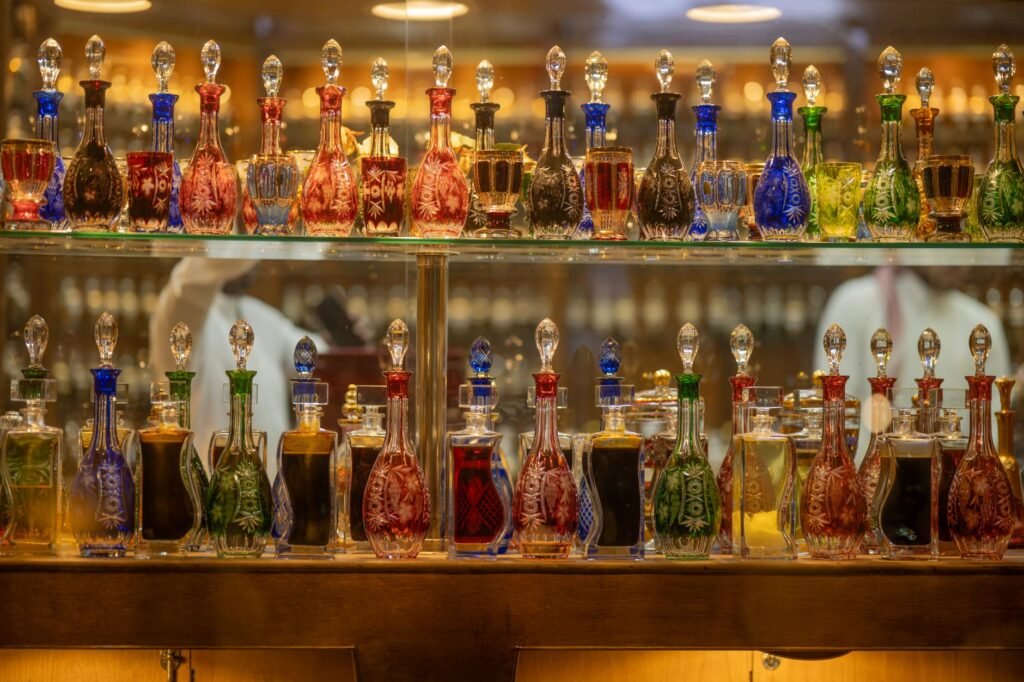
Discover how luxury collectibles are becoming essential assets for family offices in 2026.
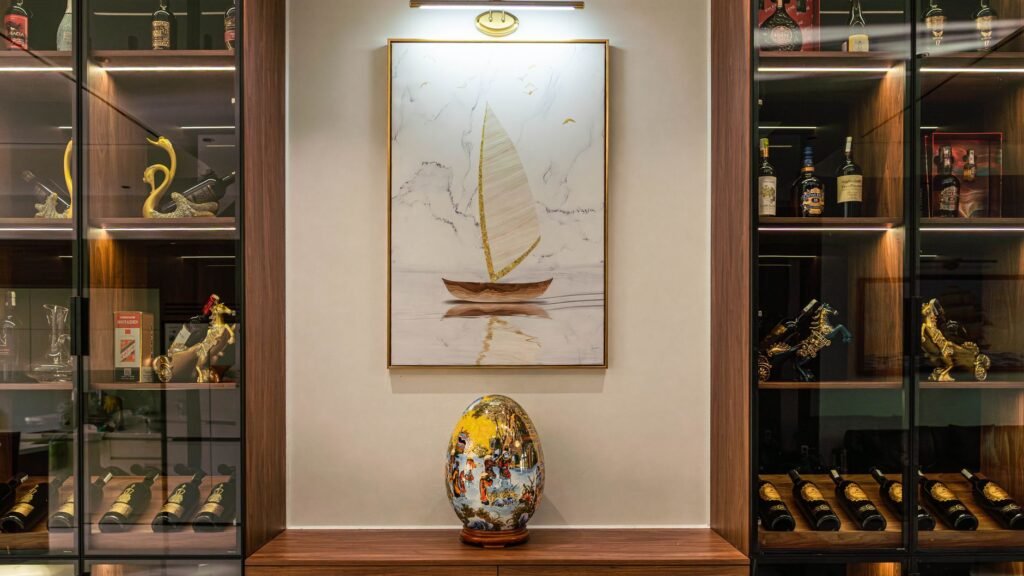
Discover why luxury collectibles are becoming essential assets for family offices.
Protected by reCAPTCHA — the Google Privacy Policy and Terms of Service apply.
Join the discussion
Comments are open to signed-in members. Sign in to add yours, or apply to join the network.
Sign in Apply for FON+