Direct Investment Trends Shaping Family Office Strategies
Explore how direct investment trends are transforming family office strategies in 2026, driving flexibility and innovation in capital allocation.
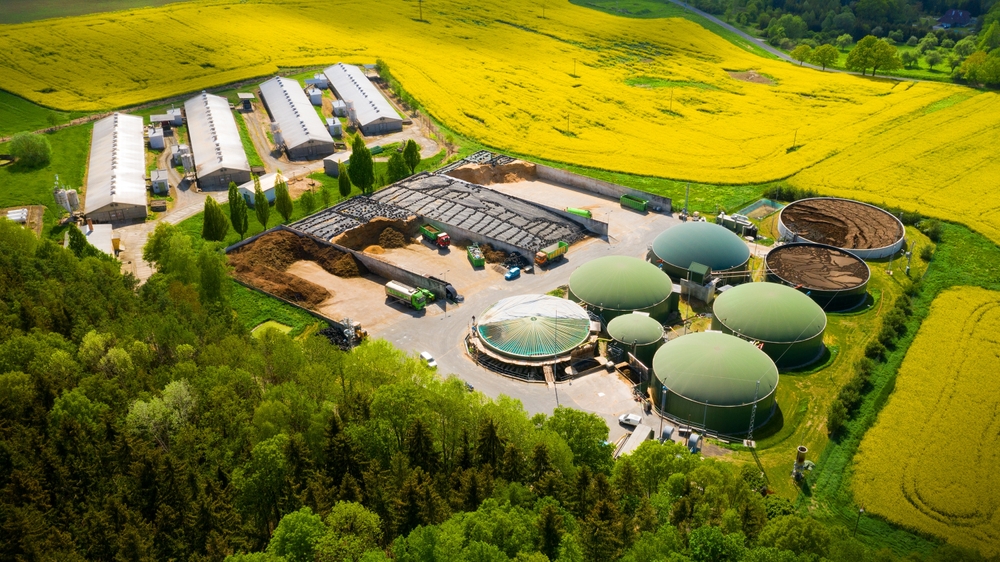
Have you ever considered the hidden value in your trash? As you discard your daily waste, entire industries are capitalizing on what you throw away. The waste-to-energy and recycling sectors are transforming garbage into gold, with major players reaping substantial profits. This article delves into the lucrative world of waste management, exploring the key companies, revenue streams, and government incentives driving this booming industry. You’ll discover which waste processing methods yield the highest margins, where these activities occur, and the origins of the waste being processed. Furthermore, you’ll gain insights into potential investment opportunities and the evolving landscape of this essential sector.
The waste to energy industry in the United States is dominated by a handful of major players who have established themselves as leaders in converting waste to valuable resources. According to Grand View Research, key companies in this sector include Covanta Holding Corporation, Babcock and Wilcox Enterprises, Inc., and Wheelabrator Technologies Inc.
These companies generate revenue through various waste to energy revenue streams, including paid trash processing and energy sales. The U.S. waste-to-energy market is projected to grow at a CAGR of over 7.26% from 2024-2029, driven by government initiatives promoting energy generation from waste. Recent legislation, such as Florida’s financial assistance program for power purchase agreements, further incentivizes capacity expansion in the recycling waste sector.
While the industry faces challenges from increasing recycling rates, technological advancements like Kore Infrastructure’s modular system are creating new opportunities. For investors, the waste to energy market offers potential for growth, especially as the industry consolidates and operators expand their capabilities in recycled energy production.
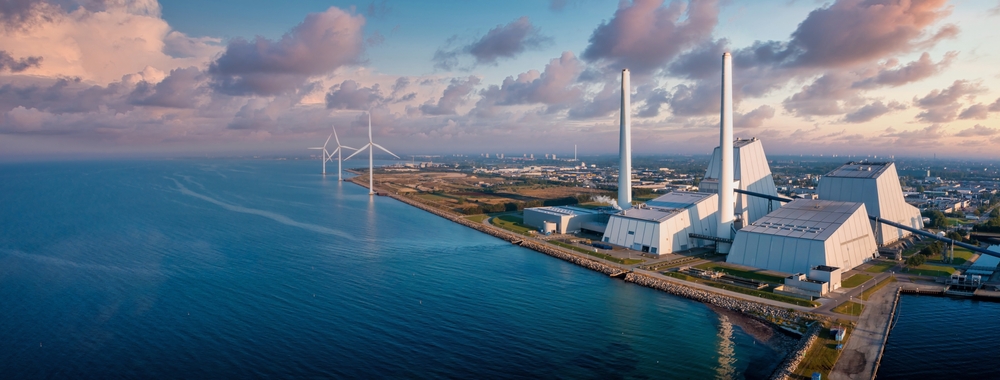
Waste to energy and recycling companies have diverse revenue streams. They often receive payments for processing trash, with municipalities paying to dispose of waste. According to the EPA, many states offer tax incentives to encourage recycling, including income tax credits of up to 50% for recycling equipment purchases. These companies also profit from selling recycled materials and energy generated from waste.
The waste to energy market is expanding rapidly, valued at $34.50 billion in 2023. High-profit areas include thermal waste processing and advanced recycling technologies. Some firms are exploring innovative revenue streams, such as converting organic waste into compost for sale. The industry is seeing both consolidation among larger operators and the emergence of specialized niche players, offering diverse investment opportunities in recycled energy and waste management.
In the realm of waste management, certain types of processing have emerged as particularly lucrative. Waste-to-energy initiatives stand out as a highly profitable sector, with the global market valued at $34.50 billion in 2023. This approach not only generates revenue through energy production but also benefits from government incentives for sustainable practices.
Medical waste disposal has proven to be a profitable niche, with companies like Stericycle processing over 1.5 billion pounds of medical waste in 2020. The specialized nature of this waste stream commands premium pricing for safe handling and disposal.
Recycling waste continues to be a significant revenue generator, particularly for materials like metals, plastics, and electronics. Companies focusing on circular economy strategies and efficient materials recovery can unlock substantial economic value from waste streams.
Many waste management companies benefit from paid trash processing contracts with municipalities and businesses. These long-term agreements provide stable revenue streams while allowing for the exploration of additional profit opportunities through recycled energy and material sales.
The waste to energy and recycling industries offer compelling investment opportunities. According to Fortune Business Insights, the global waste to energy market was valued at $34.50 billion in 2023, with significant growth potential. Investors can expect solid returns as companies capitalize on waste to energy revenue streams and paid trash processing contracts.
The industry is experiencing notable consolidation, with larger firms acquiring smaller operations to expand service offerings and enhance efficiencies. Waste Business Journal reports that publicly-traded companies now account for 60% of industry revenues, up from less than 50% in the early 1990s. This trend is driven by the need for scale to maximize profitability in recycled energy and waste management operations.
As sustainability pressures mount and recycling waste technologies advance, the sector is poised for continued growth. Investors can anticipate strong M&A activity, with transaction multiples averaging 12.5x EV/EBITDA in early 2024, indicating robust valuations for well-positioned companies in this essential industry.
Waste-to-energy (WtE) facilities have transformed the high-cost burden of waste management into a profitable venture. These plants generate revenue through multiple streams, including paid trash processing. Municipalities and businesses pay WtE companies to dispose of their waste, creating a steady income source. Additionally, these facilities earn by selling the energy they produce from burning waste, whether as electricity or heat.
The WtE industry benefits from various government incentives, such as tax credits and renewable energy certificates, which boost profitability. According to Fortune Business Insights, the global WtE market was valued at $34.50 billion in 2023, with Asia-Pacific dominating at a 47.24% market share. This growth is driven by increasing demand for clean energy and environmentally safe waste management solutions.
Recycling waste is another lucrative aspect of the industry. With global plastic waste projected to reach 25,000 MMT by 2040, there’s immense potential for recycled energy and materials. Innovative technologies like thermal pyrolysis are enabling the recovery of valuable monomers from plastic waste, opening new revenue streams and contributing to a more sustainable future.

As the global population increases, so does our waste production. Recycling waste and converting it into usable energy have become crucial strategies for sustainable development. The waste-to-energy market is projected to reach USD 50.92 billion by 2032, driven by increasing environmental concerns and government initiatives.
Waste-to-energy technologies are evolving rapidly, offering more efficient and environmentally friendly solutions. Anaerobic digestion, gasification, and hydrothermal carbonization are among the leading processes. These technologies not only reduce landfill waste but also generate receycled energy in the form of heat, electricity, or fuel.
The waste-to-energy industry offers significant economic opportunities while addressing environmental challenges. Companies in this sector benefit from various revenue streams, including waste processing fees and energy sales. Additionally, these processes help reduce greenhouse gas emissions from landfills and decrease reliance on fossil fuels, contributing to a more sustainable future.
Waste-to-energy (WTE) facilities generate income through multiple channels. The primary revenue streams include electricity sales, gate/tipping fees, and scrap metal recovery. A typical WTE plant can produce 500-600 kWh of net electrical energy per ton of municipal solid waste, worth $30-36 at $0.06/kWh. Additionally, these companies often benefit from government incentives and potential carbon credits.
The profitability of recycled waste processing varies depending on the materials and technologies involved. Anaerobic digestion of organic waste is generally cost-effective for biogas production, while technologies like pyrolysis and gasification can handle a wider range of waste types but often require higher capital investments. Paid trash processing fees, also known as tipping fees, contribute significantly to revenue.
The global waste to energy market is expanding, valued at USD 34.50 billion in 2023. As governments worldwide invest in renewable energy and sustainable waste management, the industry is poised for growth. However, investors should consider factors such as regulatory environments, technological advancements, and market consolidation when evaluating potential returns.
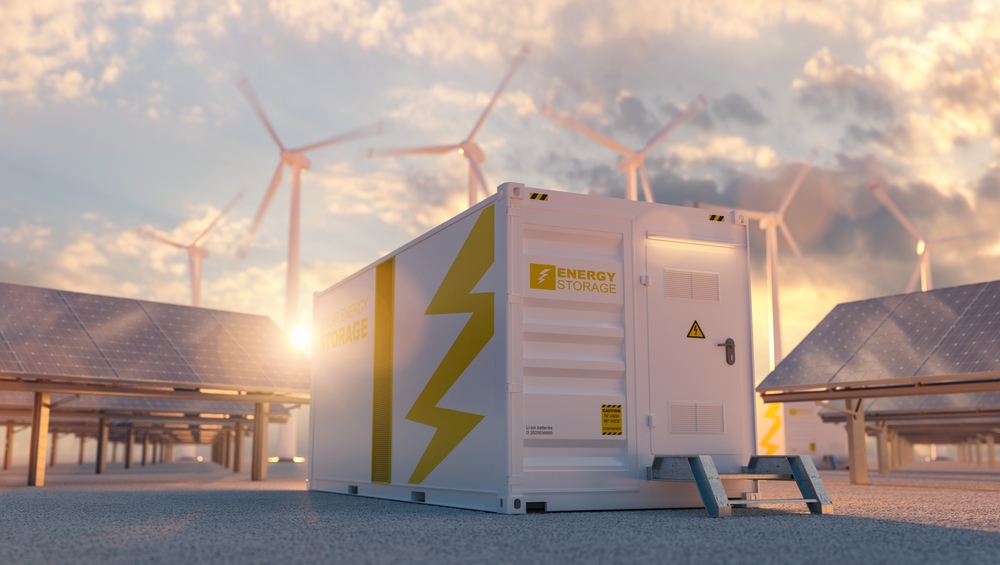
As you consider the waste-to-energy and recycling industries, it’s clear these sectors offer intriguing investment opportunities. With growing environmental concerns and government incentives, companies in this space are well-positioned for future growth. While profit margins vary, certain niches like e-waste recycling and advanced waste-to-energy technologies show particular promise. As an investor, you could potentially see solid returns, especially from larger, consolidated players leveraging economies of scale. However, it’s crucial to conduct thorough due diligence, as regulatory changes and technological advancements can quickly shift the landscape. By staying informed and strategically diversifying your portfolio, you can potentially profit from the transformation of waste into valuable resources.

Explore how direct investment trends are transforming family office strategies in 2026, driving flexibility and innovation in capital allocation.

Explore how flexibility in family office investing can enhance capital allocation strategies and lead to better opportunities.

Explore how the permanent $15 million estate tax exemption impacts family offices and wealth planning strategies.
Protected by reCAPTCHA — the Google Privacy Policy and Terms of Service apply.
Join the discussion
Comments are open to signed-in members. Sign in to add yours, or apply to join the network.
Sign in Apply for FON+