The Allure of Luxury Collectibles: A Family Office Perspective
Discover why luxury collectibles are becoming essential assets for family offices.
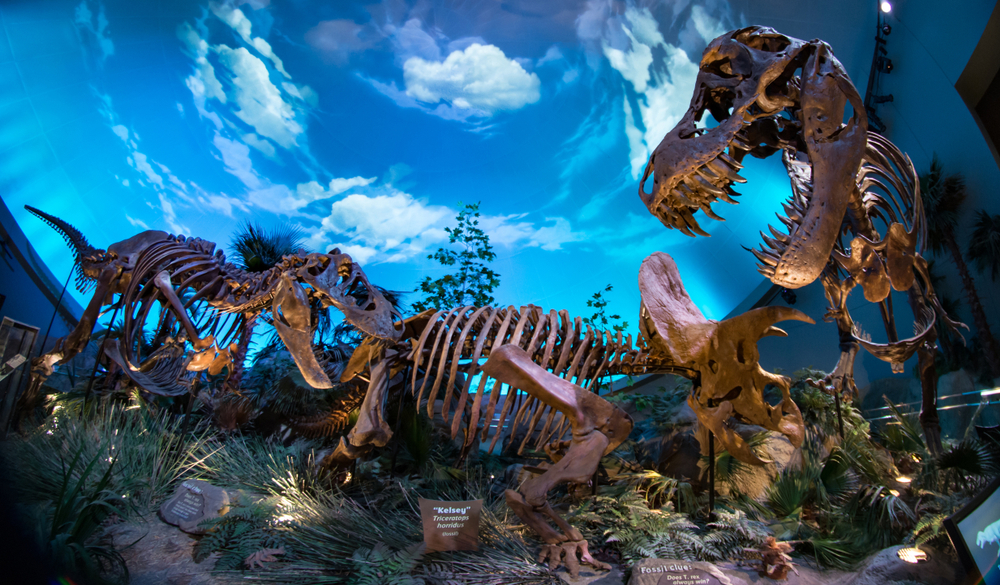
Ever dream of owning a piece of prehistoric history? Well, you’re not alone. Hollywood’s biggest names are getting in on the dino-collecting craze, snatching up T. rex teeth and raptor claws like they’re the hottest new accessories. While scientists are pulling their hair out, trend forecaster Andrew Schneider sees dollar signs. He thinks this celeb obsession could spark a whole new investment market. So, should you start eyeing those fossilized finds as your next big score? Before you go full Jurassic Park in your living room, let’s dig into why the stars are going gaga for all things dinosaur and what it might mean for your wallet.
You might think the glitz and glamour of Hollywood is all about the latest trends, but some A-listers are digging deep into the past – literally. Stars like Nicolas Cage and Leonardo DiCaprio have joined the ranks of fossil collectors, sparking a surprising new trend in Tinseltown. Cage once dropped a cool $276,000 on a dinosaur skull, while DiCaprio has been spotted eyeing ancient bones at art fairs. It seems these celebs are swapping red carpets for excavation sites!
But why are movie stars suddenly so interested in prehistoric relics? Some experts suggest it’s more than just a hobby. Owning a massive dinosaur skull might be the ultimate status symbol for these aging actors, a way to feel powerful and timeless in an industry obsessed with youth. It’s like bringing a piece of “Jurassic Park” home – minus the man-eating velociraptors, of course.
This celebrity fossil fever isn’t just about bragging rights. It’s sparking a whole new investment trend. In Wyoming, shares of a Stegosaurus skeleton recently sold out in just 18 minutes, with investors snapping up 40,000 shares at $68.75 each. With some dinosaur fossils appraised in the millions, it looks like these prehistoric treasures might be the next big thing in alternative investments. Who knew T-Rex teeth could be better than gold?
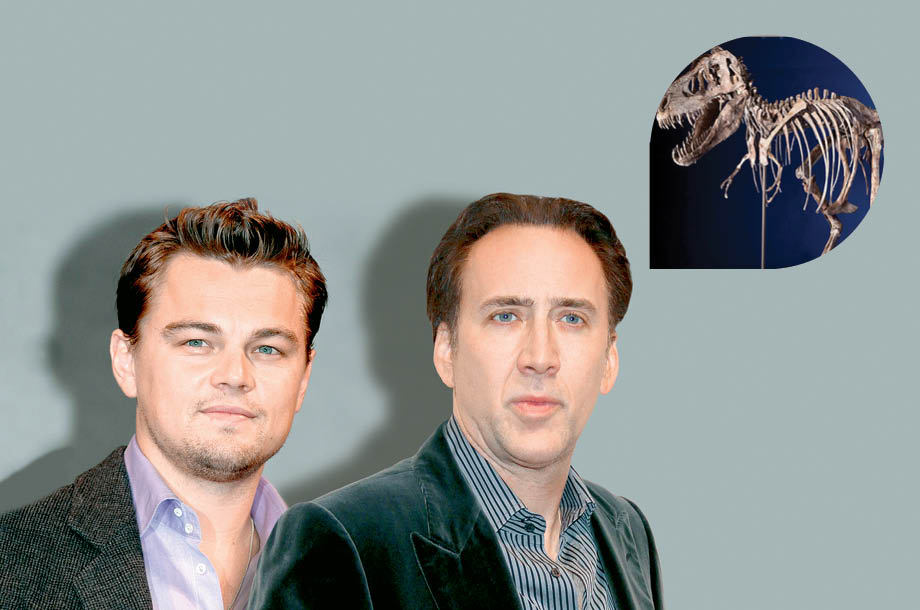
You might think dinosaur fossils belong in museums, but Hollywood’s elite are increasingly bringing them home. Stars like Nicolas Cage and Leonardo DiCaprio have joined the ranks of high-profile fossil collectors, sparking a trend that’s both thrilling and controversial. This “dino-mania” isn’t just limited to Tinseltown – tech entrepreneurs and business leaders are also getting in on the action, viewing these prehistoric treasures as the ultimate conversation piece.
How much would you shell out for a piece of prehistory? The recent sale of the “Apex” stegosaurus for a jaw-dropping $44.6 million at Sotheby’s shows just how hot the market has become. But it’s not just about bragging rights. Some see these fossils as potential investment opportunities, with values skyrocketing in recent years.
While the allure of owning a T-rex might be strong, this trend has scientists worried. Paleontologists fear that important specimens are being locked away in private collections, out of reach for crucial research. The debate rages on: does private funding help unearth more fossils, or are we turning priceless scientific artifacts into “toys for the rich”? As the fossil market heats up, the balance between preservation, study, and private ownership remains a thorny issue in the world of paleontology.
Are you ready to sink your teeth into a truly unique investment opportunity? Dinosaur fossils are becoming the next big thing for collectors and investors alike. But before you start digging for profits, let’s explore the potential rewards and risks of this prehistoric market.
Dinosaur fossils have transitioned from mere museum displays to coveted assets in high-net-worth portfolios. The record-breaking sale of “Sue,” a T. rex skeleton, for $8.4 million in 1997 showcased the jaw-dropping potential of these prehistoric relics. With some specimens fetching tens of millions, it’s no wonder investors are getting excited.
When eyeing a potential dino investment, consider these key factors:
While the potential returns are enticing, there are some serious pitfalls to watch out for. Legal and ethical concerns surrounding private ownership of scientifically important fossils are significant. Many paleontologists argue these specimens should be in public institutions, not private collections.
Additionally, the risk of forgeries or overpricing in this complex market is real. Always seek expert guidance and conduct thorough due diligence before making any fossil investments.
As Hollywood stars dive into the world of dinosaur fossil collecting, scientists are sounding the alarm. You might think it’s all glitz and glamour, but there’s a serious side to this trend that’s causing concern in the scientific community.
Paleontologists are in a frantic “race against time” to rescue as many fossils as possible for scientific study. With private collectors swooping in, valuable artifacts are disappearing into personal collections, potentially lost to science forever. It’s not just about losing pretty rocks – these ancient remains hold crucial clues about our planet’s past and future.
The fossil trade has become big business, and it’s not always playing nice with science. Amateur diggers, inspired by blockbusters like “Jurassic Park,” are sometimes destroying potential research sites in their eagerness to unearth the next big find. This rush to collect can obliterate valuable context and data that scientists need to piece together the puzzle of prehistoric life.
But it’s not all doom and gloom. Some scientists are finding creative ways to engage the public and protect these irreplaceable treasures. Paleontologists like Jack Horner are working with Hollywood to ensure more accurate depictions of dinosaurs on screen, while others are developing volunteer programs to involve citizen scientists in responsible fossil hunting. By making paleontology more accessible, they hope to foster a greater appreciation for the scientific value of these ancient remains.
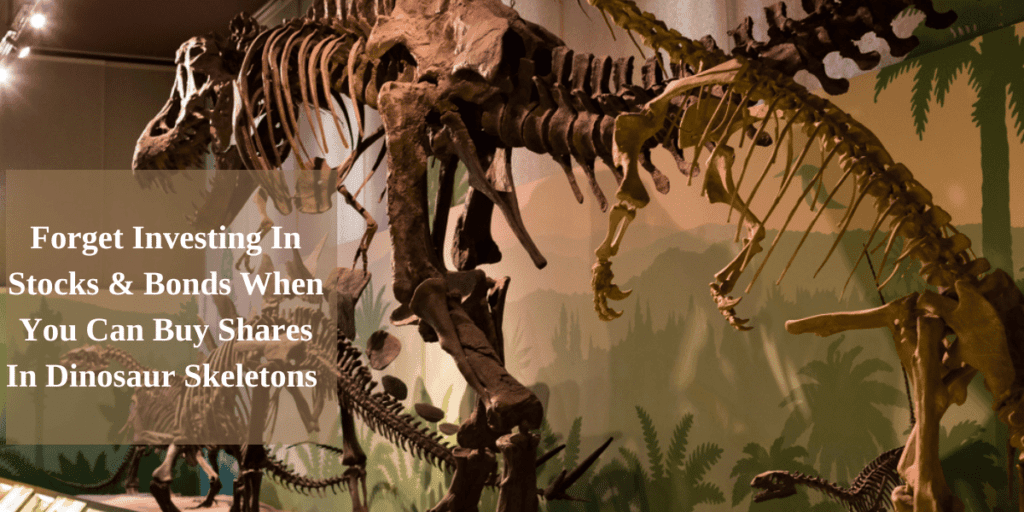
You might think dinosaur bones belong in museums, but Hollywood’s elite are increasingly snatching up these prehistoric treasures for their personal collections. Stars like Nicolas Cage, Leonardo DiCaprio, and Russell Crowe have all caught the dino fever, dropping serious cash on fossils and skulls. This trend isn’t just about having a cool conversation piece – it’s reshaping the collectibles market in fascinating ways.
The celeb-driven fossil craze is creating ripple effects beyond Tinseltown. Masterpiece London, a high-end art fair, has seen prehistoric pieces overshadowing traditional fine art. Triceratops skulls and rare minerals are now the hot tickets, attracting international jet-setters and Asian collectors alike. This surge in interest isn’t just inflating prices – it’s opening up new investment opportunities for savvy buyers.
Hollywood’s dino obsession is having a broader impact, too. The Jurassic Park franchise sparked a paleontology renaissance, fueling public fascination and driving scientific progress. This feedback loop of pop culture and research has led to more museums, parks, and educational programs centered around dinosaurs. For those with an eye on trends, this growing market offers exciting possibilities in education, tourism, and beyond.
So there you have it, folks—Hollywood’s gone dino-crazy! While some scientists are pulling their hair out, others like Andrew Schneider see this celeb fossil frenzy as the next big thing. Who knows? Maybe you’ll spot Leo DiCaprio bidding on a T-Rex skull at the next auction. And hey, if you’ve got some spare cash lying around, why not join the party? Dinosaur bones could be the next hot investment opportunity. Just imagine telling your friends you’ve got a raptor in your living room! So keep your eyes peeled—the next time you’re scrolling through celebrity news, you might just stumble upon the latest Jurassic jewel discovery.
Discover why luxury collectibles are becoming essential assets for family offices.
Discover how family offices are redefining luxury asset investments in 2026.

Family offices are redefining fine art ownership, merging investment with passion and heritage.
Protected by reCAPTCHA — the Google Privacy Policy and Terms of Service apply.
Join the discussion
Comments are open to signed-in members. Sign in to add yours, or apply to join the network.
Sign in Apply for FON+