Political Risks Facing Family Offices in 2026
Political risks significantly shape family office strategies in 2026.
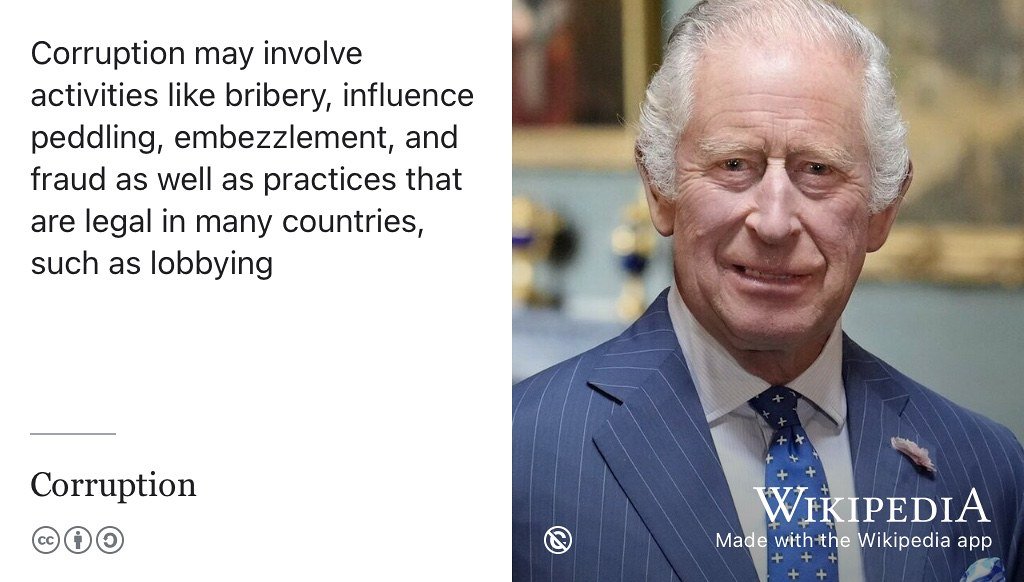
Understanding how political influence shapes family office decisions is crucial in today’s complex environment. The interplay between wealth and politics can redefine investment strategies and risk assessments for ultra-high-net-worth families.
As we navigate through 2026, the political landscape is undergoing significant transformations that directly affect the decision-making processes within family offices. Recent reporting highlights that as family offices increasingly become aware of their political capital, they are adapting their investment strategies to align with shifting political dynamics. The recent moves by ultra-wealthy families are indicative of a broader trend where political influence is leveraged to secure investment opportunities and manage risks.
For instance, the Trump family’s apparent integration of political influence with their business dealings raises questions about how family offices can navigate the intersection of wealth and politics. As reported, financial gain has emerged as a defining feature of Trump’s second term, emphasizing the importance of political connections in wealth management.
Family offices must also consider the inherent political risks that come with significant investments. As outlined in Political Risk Management Strategies for Family Offices in 2026, understanding local and global political climates is essential for successful investment management. Offices that proactively engage with these risks can better position themselves for success. Additionally, Political risks that family offices must navigate in 2026 highlight the importance of being aware of the shifting political landscape.
No single family office sees the whole board. The families that endure are the ones that compare notes.
— Alessandra Novak, Head of Direct Investments, Family Office
In a landscape where political influence is pivotal, family offices are increasingly focused on building their political capital. This involves fostering relationships with key political figures and understanding the regulatory environment in which they operate. According to recent observations, family offices that prioritize these relationships often find themselves at an advantage in accessing exclusive deals and opportunities not available to the general market.
Moreover, with 30 family offices eyeing operations in Hong Kong, as reported by the South China Morning Post, the allure of favorable tax regimes and stable governance is undeniable. This trend underscores the importance of geopolitical awareness in family office strategies.

To navigate the complexities of political influence effectively, family offices can implement several strategies:
The ongoing evolution in political influence also resonates in the philanthropic activities of family offices. As family offices seek to align their investments with their values, understanding the regulatory environment governing philanthropic donations becomes crucial. This awareness aids not only in compliance but also in maximizing the impact of their contributions.
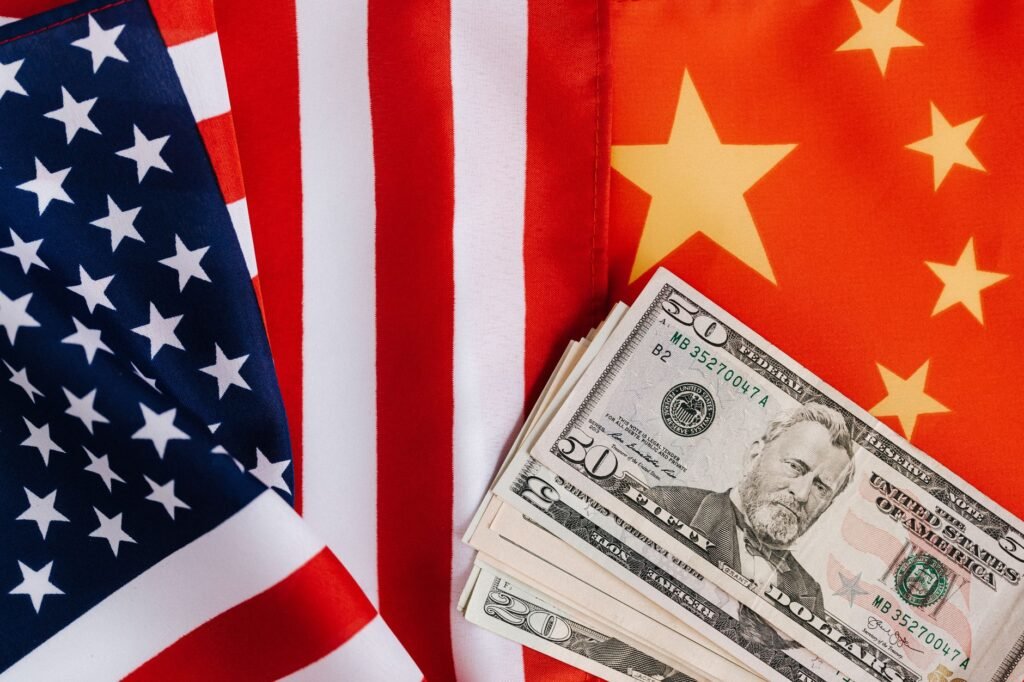
Looking ahead, the trend of integrating political considerations into family office strategies will likely deepen. As family offices become more strategic in their engagements, the ability to navigate political landscapes will be a defining skill. They will need to assess not only the financial implications of their investments but also their potential political ramifications.
As family offices continue to emerge as significant players in the financial landscape, the interplay of politics and wealth will only intensify. Offices that prioritize political engagement and proactive risk management will likely find themselves at the forefront of capital allocation and investment success. The question remains: how will family offices adapt to these evolving dynamics to safeguard and grow their wealth amidst shifting political tides?

Political risks significantly shape family office strategies in 2026.

Political influence is reshaping family office strategies in 2026. Explore current dynamics and implications for investment choices.
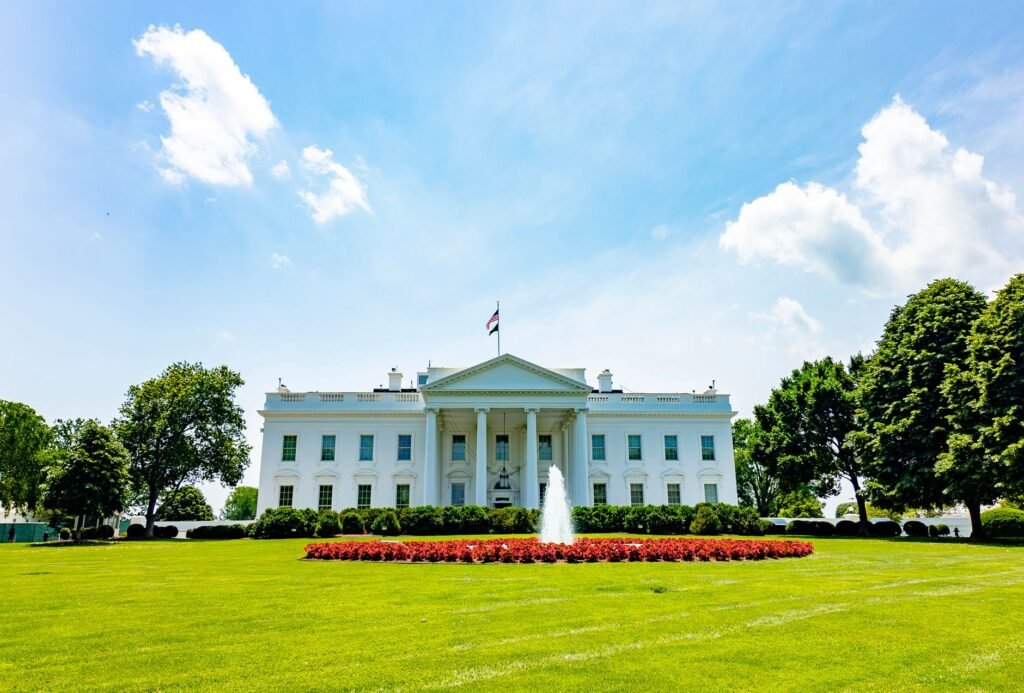
Political dynamics in Trump's second term are reshaping family office investment strategies as wealth strategies adapt.
Protected by reCAPTCHA — the Google Privacy Policy and Terms of Service apply.
Join the discussion
Comments are open to signed-in members. Sign in to add yours, or apply to join the network.
Sign in Apply for FON+