The Allure of Luxury Collectibles: A Family Office Perspective
Discover why luxury collectibles are becoming essential assets for family offices.
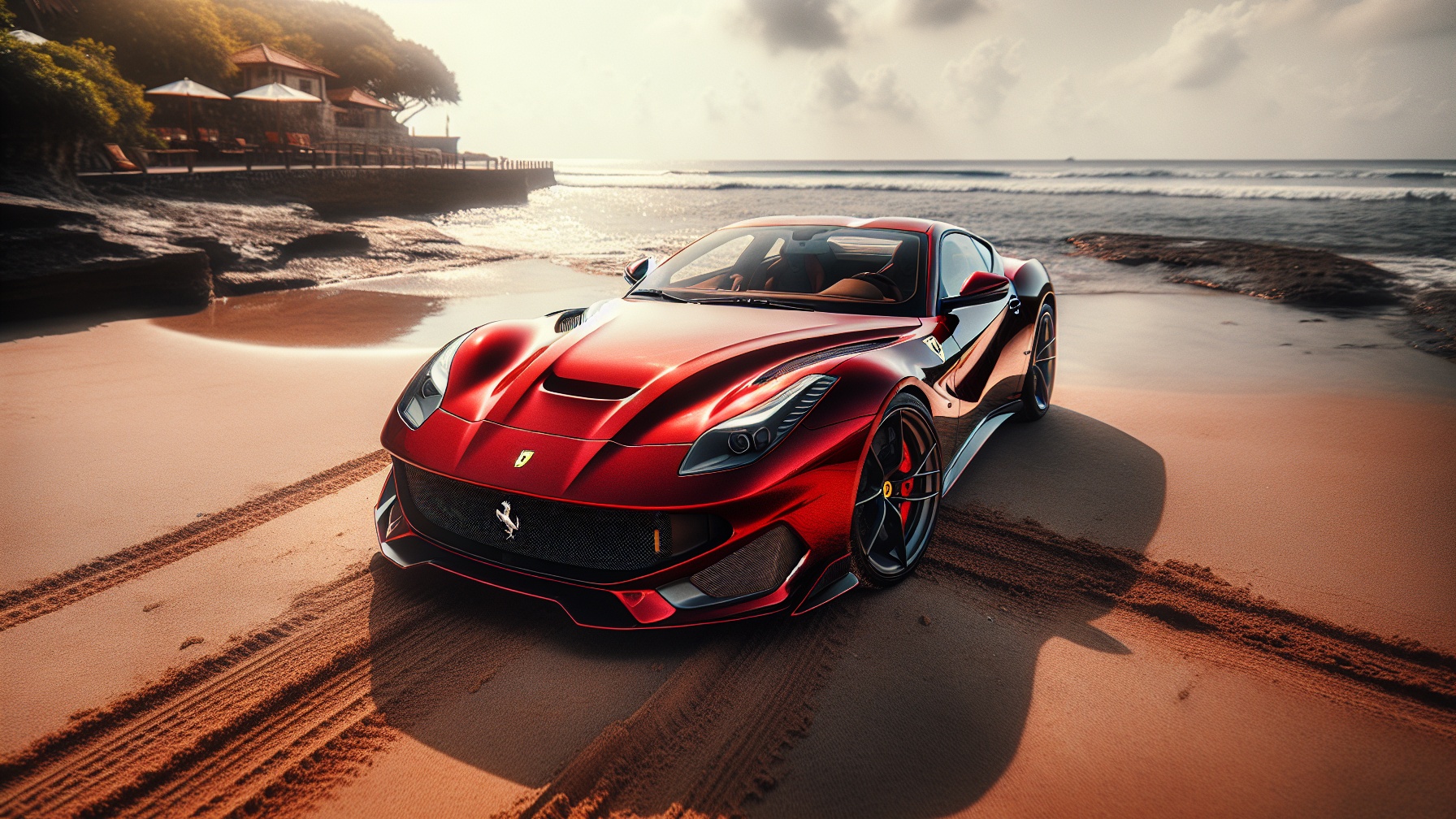
There’s something undeniably seductive about Italian supercars. Like the most captivating of courtships, they begin with a glimpse—a flutter of the heart at first sight—followed by an intoxicating dance of pursuit and desire. For those fortunate enough to indulge in these mechanical liaisons, the experience transcends mere transportation; it becomes a passionate romance written in carbon fibre and hand-stitched leather.
The initial encounter with an Italian supercar is rather like meeting someone devastatingly attractive at a Milan fashion week soirée. There’s that moment of electric recognition—when the eyes first trace those impossibly perfect lines, and the brain struggles to process how something so beautiful could exist in our mundane world. Whether it’s the aggressive elegance of a Lamborghini or the timeless sophistication of a Ferrari, these vehicles don’t merely turn heads; they break necks and hearts with equal abandon.
Consider the Ferrari F8 Tributo, which sashays through city streets like Monica Bellucci in her prime—all knowing confidence and lethal curves. Or the Lamborghini Huracán, which prowls urban landscapes with the predatory grace of a catwalk model who knows exactly how many heads she’s turning. These aren’t mere automobiles; they’re mechanical sirens, calling to our basest desires with a song composed of V12 symphonies and carbon-ceramic whispers.
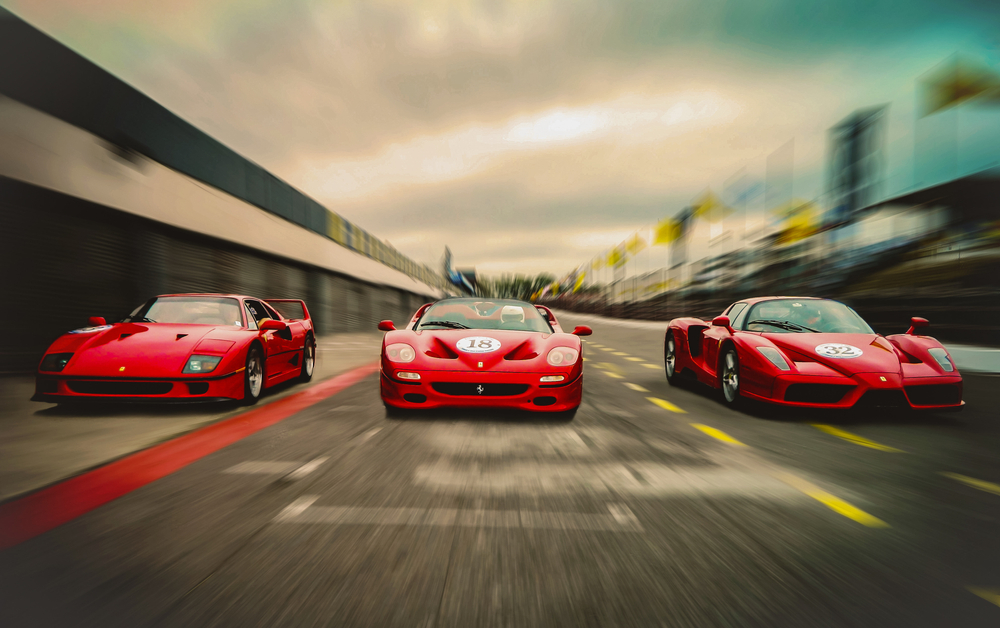
Acquiring an Italian supercar is rather like arranging a marriage in Renaissance Florence—it requires patience, finesse, and not an insignificant dowry. The waiting lists for these mechanical debutantes can stretch longer than a Venetian gondolier’s love song, and the process of specification feels not unlike planning a royal wedding. Should the seats be dressed in Bordeaux red or Tuscany tan leather? Would sir prefer his brake callipers in Racing Gold or Rosso Corsa? Each decision feels weighted with the gravity of selecting jewels for a coronation.
The true cognoscenti understand that ordering a Pagani isn’t simply about choosing options—it’s about commissioning a piece of automotive artwork. Much like the great patrons of the Renaissance, today’s supercar clients engage in intimate consultations with the artisans of Modena and Sant’Agata Bolognese, crafting their mechanical masterpieces with the sort of attention to detail usually reserved for Michelangelo’s marble works.
Once the keys are in hand (assuming your chosen stallion deigns to use something as pedestrian as keys), the real romance begins. Starting an Italian supercar is rather like initiating a passionate embrace—there’s the anticipation, the gentle caress of the starter button, and then… thunder. The way a naturally aspirated V12 comes to life could teach Romeo a thing or two about declaration of love.
The relationship between driver and machine becomes increasingly intimate with each journey. You learn its quirks—how the Aventador likes to be warmed properly before any spirited driving, much like how one wouldn’t rush a proper espresso. You discover its preferences—the way a Ferrari 812 Superfast turns into corners with almost telepathic precision, responding to inputs with the kind of immediacy that makes British butlers seem positively lackadaisical.
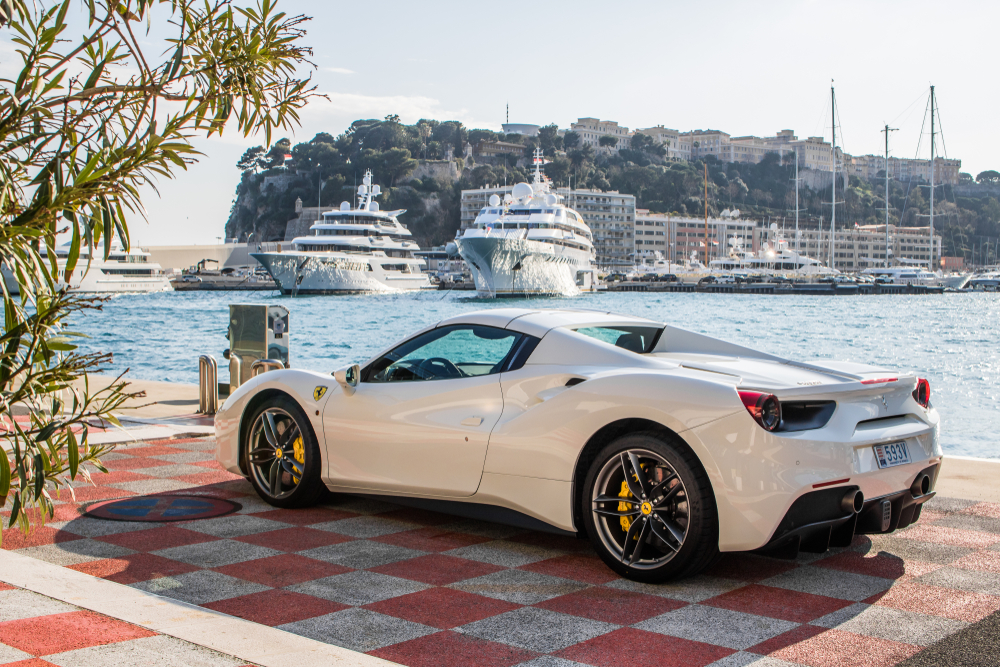
Living with an Italian supercar is rather like maintaining a torrid affair with an opera diva—thrilling, occasionally temperamental, and never, ever boring. There’s a certain theatre to every journey, a sense that you’re participating in a performance rather than merely commuting. Even a simple trip to collect the morning papers becomes an event, accompanied by a soundtrack that would make La Scala’s orchestra feel inadequate.
Of course, there are moments of drama. Italian supercars, like their homeland’s most famous obras, have a flair for the dramatic. A check engine light might illuminate with the sudden intensity of Tosca’s finale, or a minor electrical gremlin could appear with timing worthy of a Puccini plot twist. But somehow, these occasional histrionics only deepen the affection. After all, what great romance doesn’t have its moments of passion?
Becoming an Italian supercar owner inducts one into a rather exclusive social set, rather like being granted membership to a particularly prestigious private members’ club. There’s an unspoken brotherhood among owners, a knowing nod exchanged at traffic lights, a shared understanding of what it means to be custodian of these rolling works of art.
The social calendar becomes dotted with concours events, track days, and rallies—each an opportunity to exercise your mechanical paramour in the company of similarly afflicted enthusiasts. Conversations at these gatherings inevitably turn to the latest model releases, discussed with the sort of fevered enthusiasm usually reserved for royal succession gossip in certain circles.
Like any proper Italian affair, these automotive relationships invariably involve the family. Each marque comes with its own lineage, traditions, and expectations. Ferrari owners find themselves not merely purchasing a car, but buying into a legacy that stretches back to Il Commendatore himself. Lamborghini aficionados become part of a tradition of rebellion, dating back to Ferruccio’s famous spat with Enzo Ferrari over a troublesome clutch—arguably the most productive bout of Italian stubbornness since the Renaissance.
The family connections extend to the modern day, with each manufacturer maintaining its own exclusive programmes and events. Ferrari’s Corse Clienti programme, for instance, offers an experience rather like being adopted into automotive aristocracy, complete with access to exclusive track days and the opportunity to purchase retired Formula One cars—because why shouldn’t one have a second or third mechanical paramour?
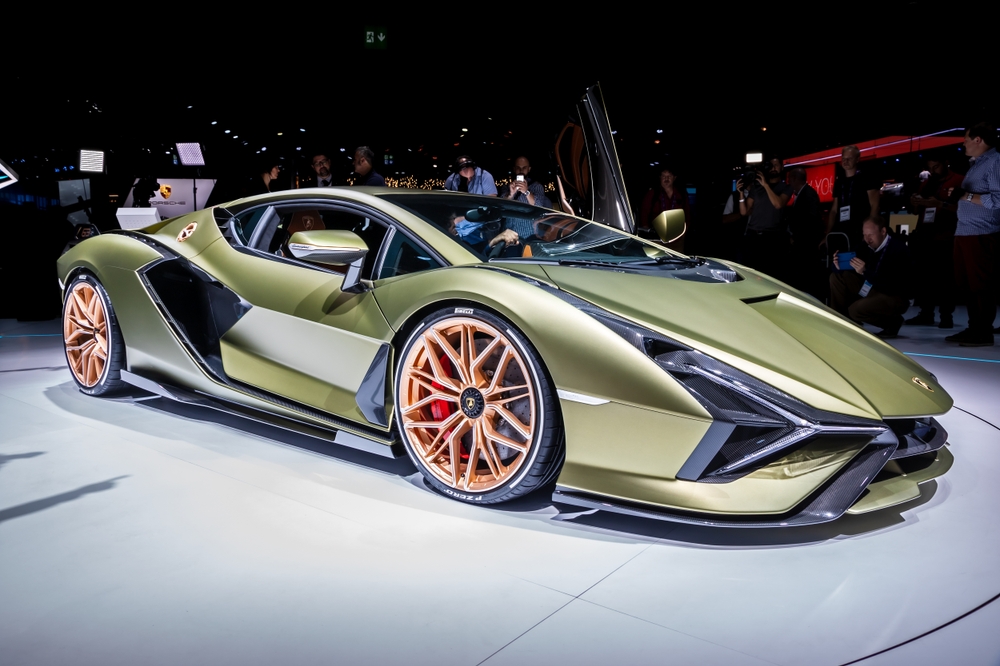
As the automotive world pivots towards an electric future, Italian supercar makers find themselves in a position not unlike Venice during the industrial revolution—requiring careful evolution while maintaining their essential character. The new generation of hybrid hypercars, like the Ferrari SF90 Stradale, manages this balancing act with typically Italian panache. They embrace the future while keeping one hand firmly on their romantic heritage, rather like a contemporary interpretation of a Venetian masquerade ball.
The Lamborghini Sián demonstrates that even in this brave new world, Italian cars haven’t lost their capacity to shock and seduce. Its supercapacitor hybrid system is as dramatic a technological statement as its styling is a visual one—proof that even in the age of silicon, Italian cars remain defiantly, gloriously theatrical.
Unlike more transient affairs, the love for Italian supercars tends to deepen with time. Each drive reveals new facets of character, each journey becomes another chapter in an ongoing romance. These cars age not like milk but like fine Brunello di Montalcino, their appeal mellowing and maturing while maintaining their essential character.
The value of classic Italian supercars has soared in recent years, but true aficionados understand that these machines were never meant to be mere investments. They are something far more valuable: they are mechanical poetry, rolling sculptures, and above all, objects of desire that capture the very essence of automotive romance.
Perhaps what makes Italian supercars so eternally captivating is their unapologetic pursuit of emotion over mere rationality. In a world increasingly dominated by algorithmic efficiency and clinical competence, they remain gloriously, defiantly passionate. They are not mere transportation solutions but rather celebrations of style, speed, and sensation.
To own an Italian supercar is to participate in one of the last great romantic adventures of our mechanical age. It is to understand that sometimes, the heart must rule the head, that beauty has its own worth, and that life’s greatest pleasures often come with a soundtrack of twelve cylinders in perfect harmony.
Discover why luxury collectibles are becoming essential assets for family offices.

Discover how family offices are redefining luxury asset investments in 2026.

Family offices are redefining fine art ownership, merging investment with passion and heritage.
Protected by reCAPTCHA — the Google Privacy Policy and Terms of Service apply.
Join the discussion
Comments are open to signed-in members. Sign in to add yours, or apply to join the network.
Sign in Apply for FON+