Maximizing Family Office Travel Through Private Aviation Strategies
Explore how private aviation strategies can enhance family office travel experiences.
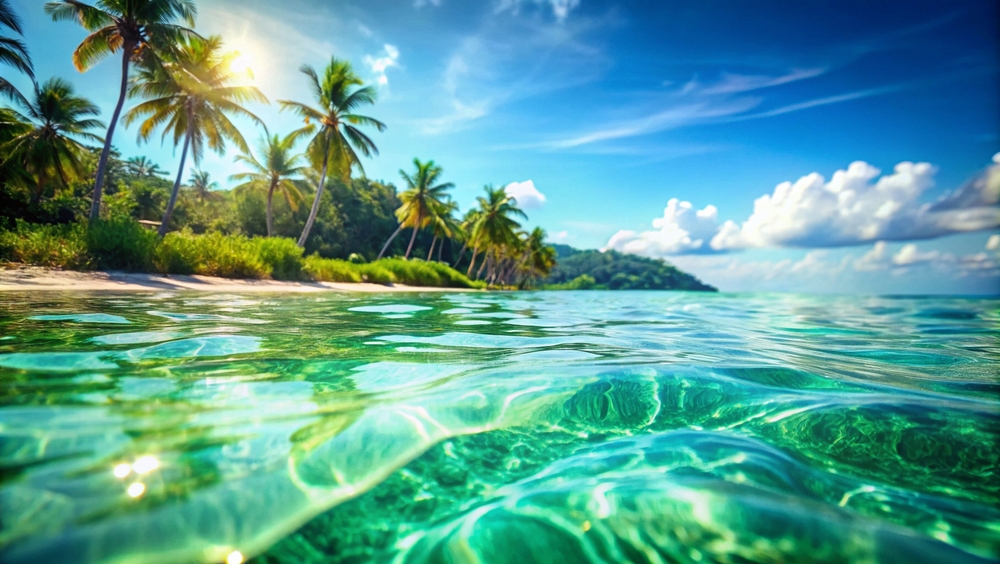
Darling readers, gather ’round as we embark on a journey through the sun-soaked, champagne-drenched world of Caribbean luxury tourism. A world where the sand is always pristine, the staff always smiling (one hopes voluntarily), and the only thing more inflated than the prices is the ego of the average guest. Welcome to the realm of private islands and exclusive resorts, where the term “all-inclusive” takes on a whole new meaning – as in, all the caviar you can eat, all the vintage Dom Pérignon you can drink, and all the fiscal responsibility you can throw out the window of your private seaplane.
Picture this: you’ve just spent a grueling week deciding which yacht to buy, which tech start-up to acquire, or which small nation to bail out. Naturally, you’re exhausted. What better way to recuperate than by jetting off to your very own private Caribbean island? After all, why settle for a mere five-star resort when you can have an entire ecosystem at your beck and call?
Private islands in the Caribbean have become the ultimate status symbol for the ultra-wealthy, the crème de la crème of luxury travel. It’s no longer enough to own a penthouse in London, a château in France, and a ski lodge in Aspen. No, darling, to truly signal your arrival in the upper echelons of society, you simply must have a tropical paradise to call your own.
But fear not, intrepid island-owner! With the right team of lawyers, accountants, and possibly a small private army, these trifling concerns can be managed. And just think of the bragging rights! Imagine the envious looks at your next Davos cocktail party when you casually mention that you’ve just installed a heliopad on your personal atoll.
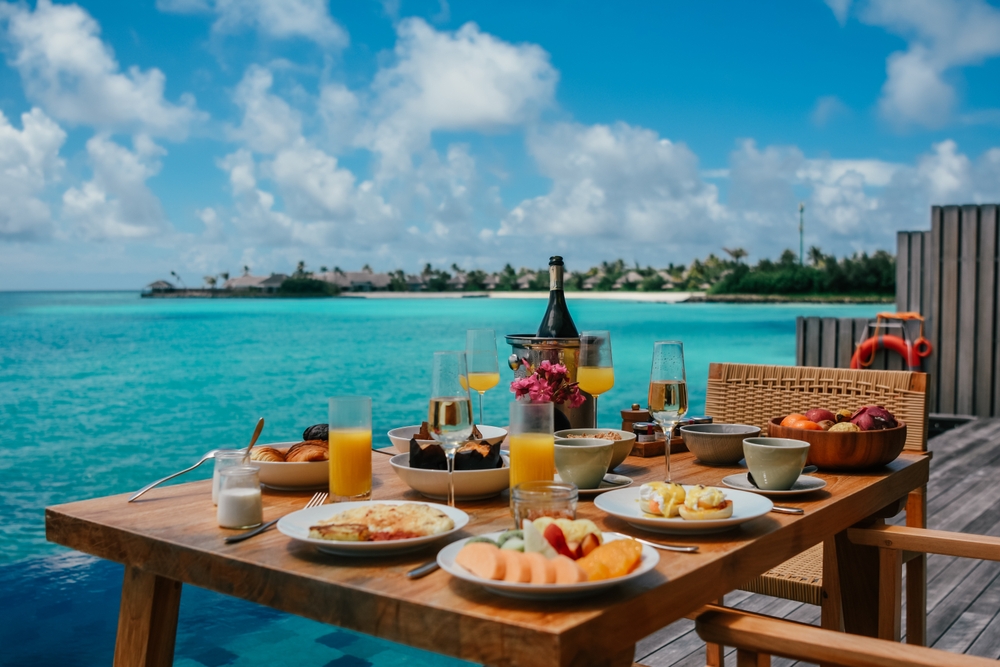
For those not quite ready to commit to full island ownership (perhaps you’re saving up for that space tourism ticket?), fear not. The Caribbean is dotted with exclusive resorts that offer all the luxury of a private island, with the added bonus of being able to blame someone else when things go wrong.
These bastions of opulence come in all shapes and sizes, from intimate boutique hideaways to sprawling complexes that make Versailles look like a quaint country cottage. But they all share one common trait: a steadfast commitment to separating you from as much of your money as possible, all while making you feel like you’re getting a bargain.
Now, as a financial journalist (and a fanatic one at that), I would be remiss if I didn’t delve into the economics of this rarefied world of Caribbean luxury tourism. So, let’s crunch some numbers, shall we?
The luxury tourism market in the Caribbean is a behemoth, generating billions in revenue annually. But what’s truly staggering is the economic impact on a per-visitor basis. While your average tourist might spend a few thousand dollars on a week-long Caribbean holiday, the ultra-high-net-worth individual (UHNWI) visiting a private island or exclusive resort can easily drop six or seven figures in the same timeframe.
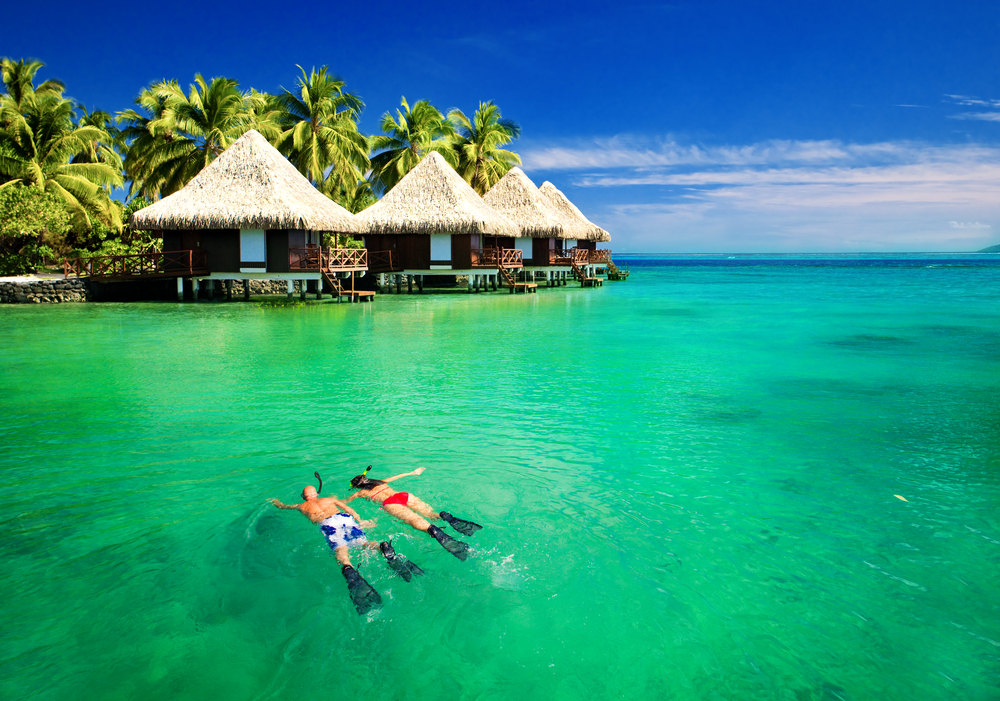
– Private jet fuel: $100,000 (Because commercial first class is for peasants)
– Resort accommodation: $50,000 per night (For the presidential suite, naturally)
– Fine dining: $5,000 per meal (Truffles don’t shave themselves, darling)
– Activities: $20,000 per day (Those zero-gravity tennis courts don’t come cheap)
– Spa treatments: $2,000 per hour (Your chakras are very high-maintenance)
– Shopping: $100,000 (For those essential items you forgot to pack, like a new yacht)
– Staff gratuities: $50,000 (Noblesse oblige and all that)
Now, multiply this by the thousands of UHNWIs who flock to the Caribbean each year, and you begin to see why small island nations are falling over themselves to attract this clientele. It’s an economic impact that trickles down through the entire economy, from the resort staff to the local farmers supplying organic, free-range, spiritually-aligned coconuts for your morning smoothie.
But fear not, dear reader! For every problem, there’s a luxurious, gold-plated solution. Can’t afford beachfront property? Why not invest in a floating island? Worried about income inequality? Trickle-down economics works perfectly when you’re literally throwing money from your penthouse suite. Concerned about the environment? Simply buy a few thousand acres of rainforest as a carbon offset (and a nice tax write-off to boot).
As we gaze into our crystal (Waterford, naturally) ball, what does the future hold for luxury tourism in the Caribbean? Allow me to make a few predictions, each more outrageous than the last:
As we conclude our sojourn through the world of Caribbean luxury tourism, one can’t help but reflect on the nature of paradise itself. Is it found in the flawless service of a private island resort, in the untouched beauty of a secluded cove, or perhaps in the simple pleasure of a perfectly mixed rum punch shared with friends?
For the ultra-wealthy, the Caribbean offers a playground of unlimited indulgence, a place where every whim can be catered to, every desire fulfilled. It’s a world where the ordinary rules of economics, ecology, and sometimes even physics seem not to apply.
But as we’ve seen, this paradise comes at a price – and not just the eye-watering figures on the resort bill. The challenge for the future will be in finding a balance: between luxury and sustainability, between exclusivity and authenticity, between the desires of the few and the needs of the many.
Perhaps the true luxury in the future will not be in how much one can consume, but in how lightly one can tread. Maybe the most exclusive experiences will be those that leave no trace, that enrich rather than exploit, that connect rather than isolate.
Or perhaps I’m being overly optimistic. After all, as long as there are people with more money than sense (and thank heavens for them, or whatever would we financial journalists write about?), there will always be a market for gold-plated coconuts and diamond-encrusted snorkel masks.
So, dear reader, the next time you find yourself sipping champagne in your private plunge pool, gazing out at a Caribbean sunset that seems to have been ordered specifically for your pleasure, take a moment to reflect. Reflect on the incredible privilege of your position, on the complex economic ecosystem that makes such luxury possible, and on the responsibilities that come with great wealth.
And then, order another bottle of Cristal. Because let’s face it, someone has to keep this economy afloat, and it might as well be you.
Cheerio, and happy travels!
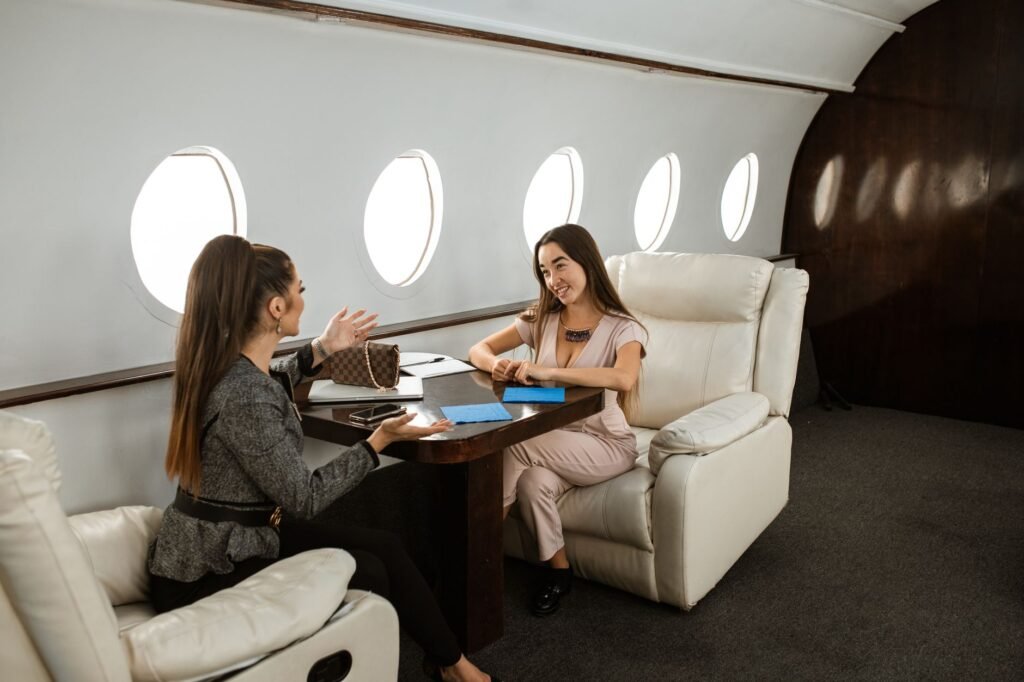
Explore how private aviation strategies can enhance family office travel experiences.
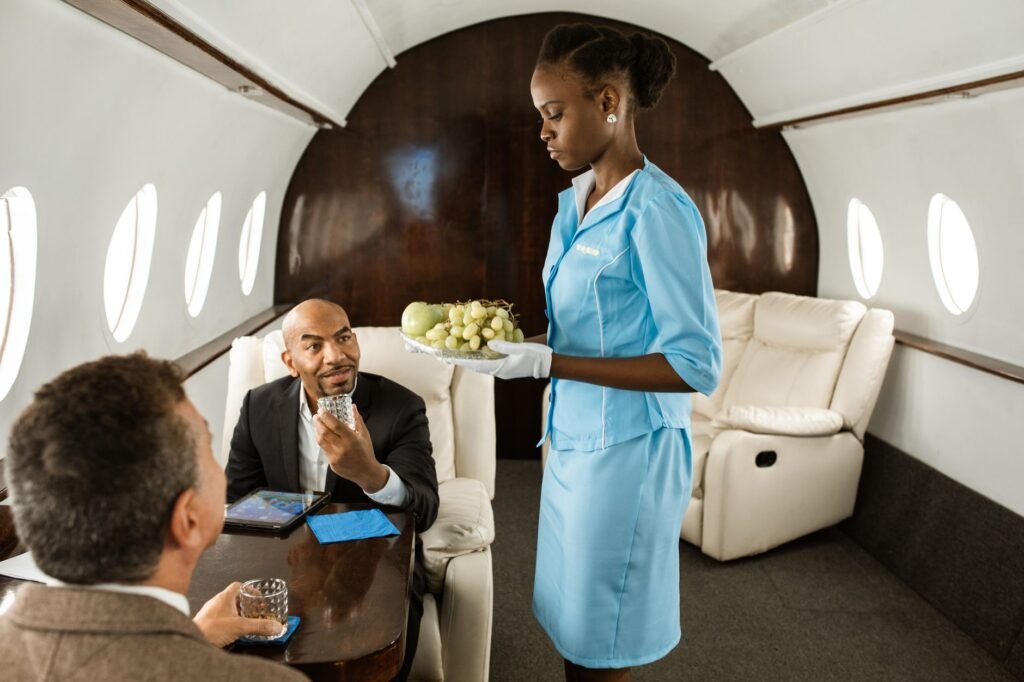
Explore how luxury travel trends are reshaping family office aviation strategies in 2026.
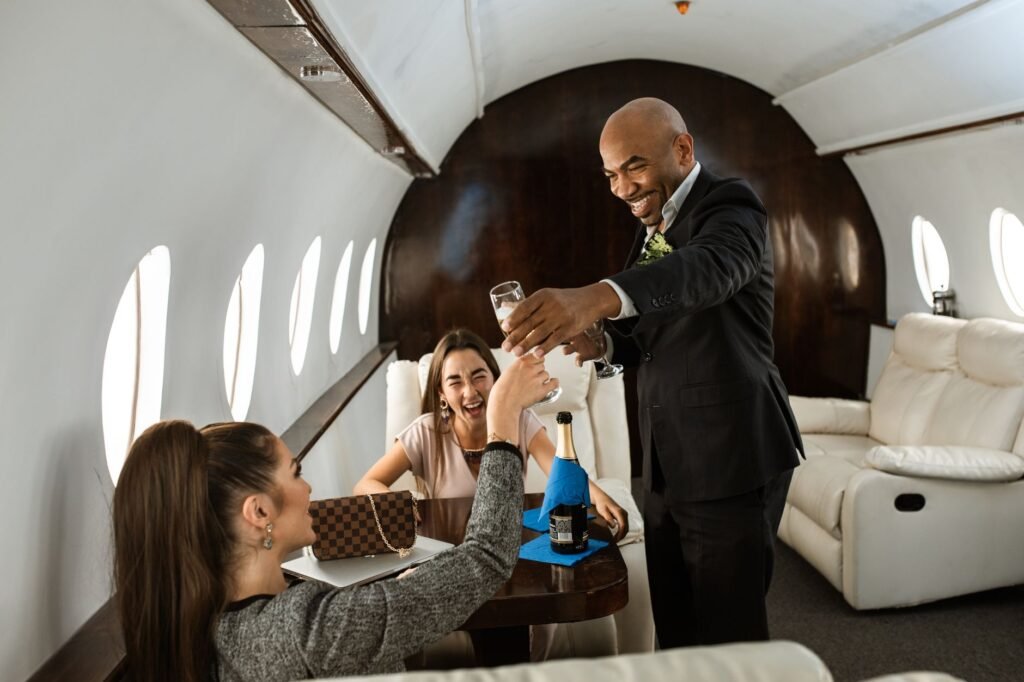
Discover how private aviation is transforming travel for family offices in 2026.
Protected by reCAPTCHA — the Google Privacy Policy and Terms of Service apply.
Join the discussion
Comments are open to signed-in members. Sign in to add yours, or apply to join the network.
Sign in Apply for FON+