Aligning Legacy and Philanthropy: Family Office Strategies for Impact
Explore how family offices can align their legacy with effective philanthropy strategies for impactful giving.

In an increasingly interconnected world, the ability to give across borders presents both opportunities and challenges for family offices. Understanding the mechanics of cross-border giving is essential to maximize impact while navigating regulatory landscapes.
Cross-border giving is governed by a complex web of laws and regulations that can differ significantly from one jurisdiction to another. Family offices engaging in international philanthropy must consider multiple factors, including tax implications, compliance with anti-money laundering (AML) regulations, and the legal status of recipient entities.
Key legal considerations include:
Family offices typically utilize one of two primary structures for cross-border giving: private foundations or donor-advised funds (DAFs). Each structure has its advantages and disadvantages, which can impact the effectiveness and efficiency of philanthropic efforts.
Private foundations offer greater control over grantmaking decisions and can be tailored to specific missions. However, they often come with more stringent regulatory requirements and administrative costs. Conversely, DAFs provide a simplified approach to giving, allowing principals to make contributions and recommend grants without the burdensome compliance typically associated with foundations.
When choosing between these structures, family offices should consider:
Effective governance is crucial to ensure that cross-border philanthropic activities align with the family office’s mission and values. Establishing a governance framework involves defining roles and responsibilities, decision-making processes, and accountability measures.
Best practices include:
Measuring the effectiveness of cross-border giving can be challenging, particularly when projects span multiple countries and cultures. Family offices should establish clear metrics for success and engage in ongoing evaluation to gauge the impact of their donations.
Common approaches to measuring outcomes include:
The involvement of the next generation in cross-border giving can enhance both the impact and the sustainability of philanthropic efforts. Engaging younger family members provides opportunities for education and leadership development while ensuring that giving aligns with their values.
Strategies for involving the next generation include:
For family offices with significant philanthropic resources, establishing an endowment can provide a sustainable funding source for cross-border giving. An effective endowment investment policy should outline the strategy for asset allocation, risk tolerance, and liquidity needs.
Considerations when developing an endowment investment policy include:
As family offices explore the complexities of cross-border giving, they must navigate a landscape rich with opportunity and challenge. Engaging with legal experts, philanthropic advisors, and impact measurement specialists will be essential to optimize their cross-border initiatives and ensure that their giving leaves a lasting legacy.

Explore how family offices can align their legacy with effective philanthropy strategies for impactful giving.

Explore how family offices are reshaping their philanthropy strategies in 2026 for greater impact.
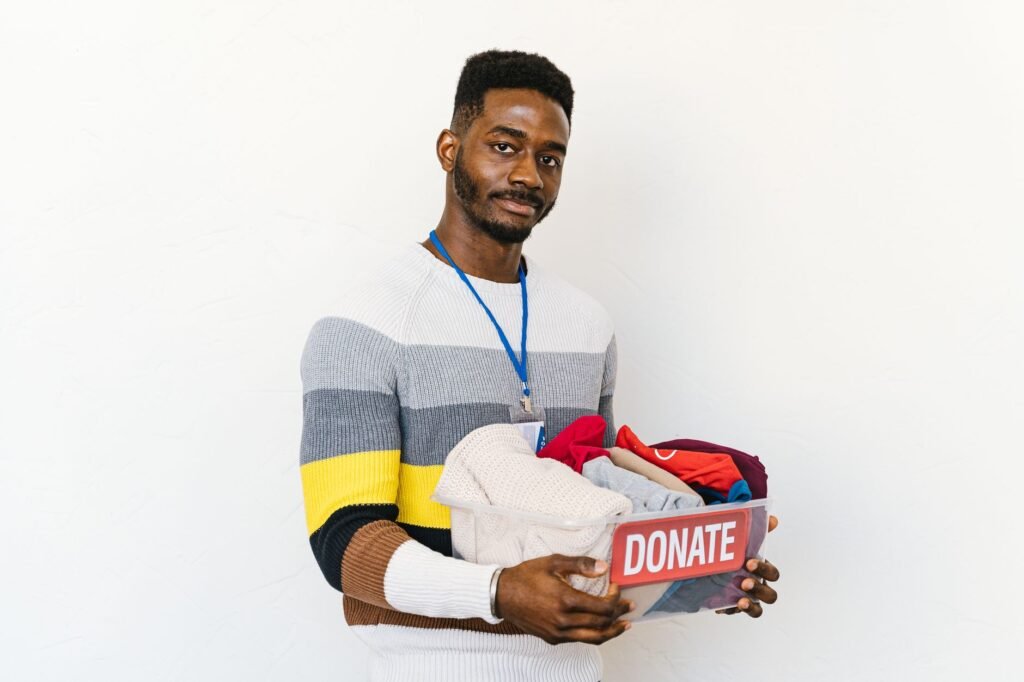
Family offices are redefining philanthropy, focusing on impactful social change and community engagement.
Protected by reCAPTCHA — the Google Privacy Policy and Terms of Service apply.
Join the discussion
Comments are open to signed-in members. Sign in to add yours, or apply to join the network.
Sign in Apply for FON+