Philanthropic Strategies for Family Offices: Crafting Meaningful Impact
Explore effective philanthropic strategies family offices can adopt for meaningful impact.

Family offices are at the forefront of a philanthropic transformation, moving beyond traditional giving to create impactful, sustainable change.
As we progress through 2026, the landscape of philanthropy is evolving rapidly. Family offices are increasingly recognizing that effective giving requires more than just financial contributions; it demands strategic engagement and innovative practices. Recent reporting highlights how ultra-high-net-worth (UHNW) families must move philanthropy beyond the checkbook, focusing on strategic investments that align with their values and long-term goals. For insights on how family offices are leading this change, see transforming philanthropy through strategic investments.
Family offices are leveraging their unique positions to drive change across various sectors. This shift is evident in their approach to philanthropy, where they are integrating business principles into charitable giving, thereby maximizing impact. By fostering partnerships with non-profits and social enterprises, family offices can ensure that their investments yield tangible community benefits.
To optimize their philanthropic efforts, family offices are adopting several key strategies that align their giving with broader societal goals:
These strategies not only enhance the effectiveness of philanthropic activities but also engage the next generation of family members who are eager to drive social change. As younger principals become more involved, their perspectives often lead to innovative solutions that resonate with contemporary issues.
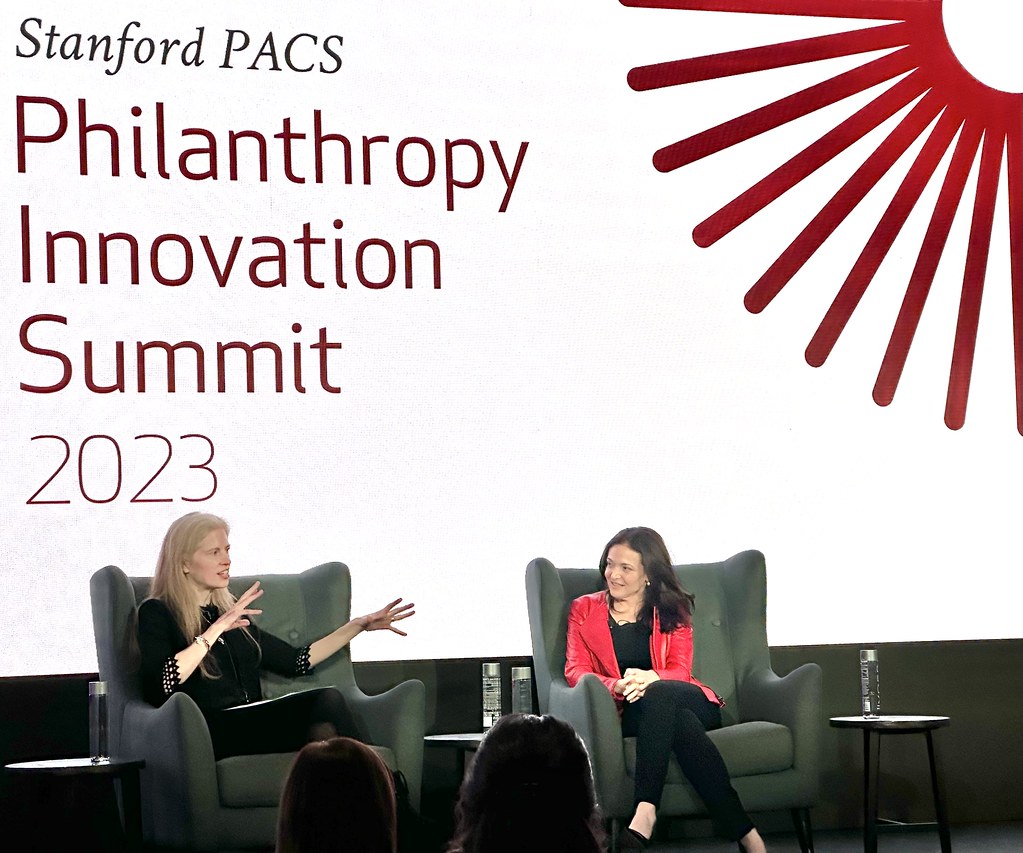
Next-gen involvement in philanthropy is crucial for sustaining family legacies. Many family offices are creating platforms for younger members to voice their opinions and shape philanthropic strategies. This engagement can take various forms, including:
Family offices that actively involve the next generation in philanthropic decisions not only enrich their giving but also strengthen family bonds.
— Grant Fairbanks, COO, Single-Family Office
By fostering a culture of philanthropy within the family, offices can ensure that their values are passed down and that the next generation is equipped to tackle future challenges.
In 2026, technology is playing a pivotal role in transforming philanthropy. Family offices are increasingly utilizing digital tools to enhance their giving strategies. Some notable trends include:
The integration of these technologies not only increases efficiency but also builds trust with stakeholders, as families seek to demonstrate their commitment to accountability in philanthropic efforts.

As philanthropic needs evolve globally, family offices are adapting their strategies to address pressing societal issues. Recent developments, such as the philanthropic boom driven by Singapore’s family offices, illustrate how geographic trends can influence giving behaviors. In regions like Asia, where wealth is rapidly growing, family offices are stepping up to address local challenges through innovative philanthropic models. For more on this trend, check out how Singapore’s family offices are driving a philanthropic boom.
Furthermore, as noted in recent discussions, family offices are increasingly aligning their philanthropic goals with sustainable development goals (SDGs). This alignment not only enhances the relevance of their contributions but also positions them favorably within the global philanthropic landscape.
Best practices include strategic investment, collaborative giving, long-term commitments, and rigorous impact measurement. For more information on effective strategies, see best practices in philanthropy for family offices.
Engagement can happen through educational workshops, youth advisory boards, and hands-on community service experiences.
Technology enhances philanthropy through data analytics, crowdfunding platforms, and blockchain for greater transparency.
This alignment ensures that philanthropic efforts are relevant, impactful, and resonate with global societal needs.

Explore effective philanthropic strategies family offices can adopt for meaningful impact.

Family offices are redefining philanthropy by integrating impact-driven strategies into their missions.

Explore effective philanthropy strategies for family offices in 2026, focusing on lasting impact and community engagement.
Protected by reCAPTCHA — the Google Privacy Policy and Terms of Service apply.
Join the discussion
Comments are open to signed-in members. Sign in to add yours, or apply to join the network.
Sign in Apply for FON+