Trust and Community: Building Resilience in Family Offices
Explore how trust and community drive resilience in family offices, especially in challenging times.
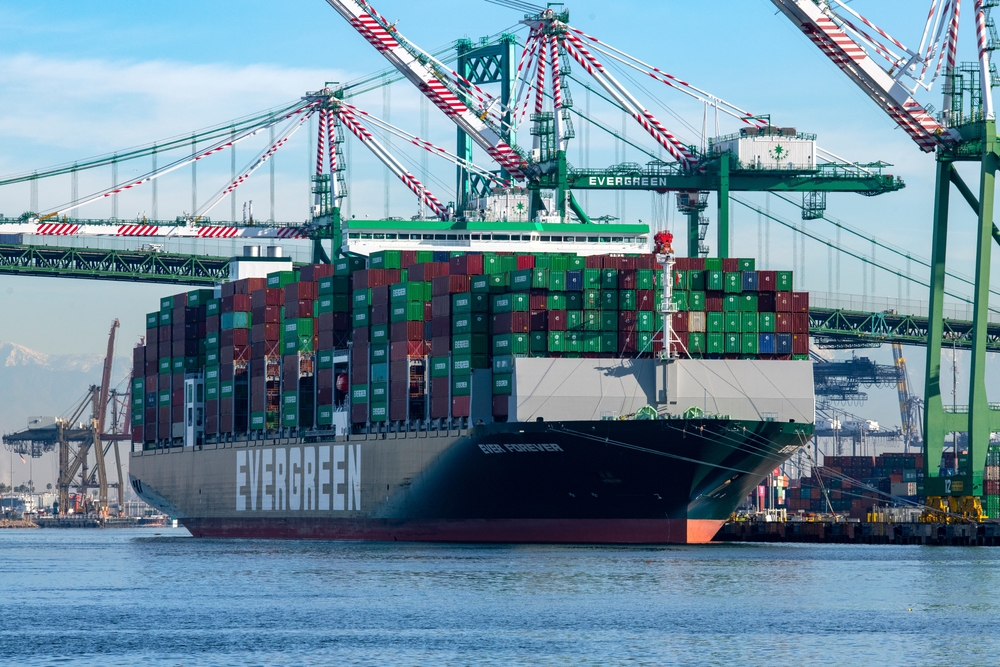
As you go about your daily life, you may not realize how dependent you are on the smooth operation of America’s ports. The recent port workers’ strike has brought this reliance into sharp focus, highlighting the critical role these gateways play in our economy. With billions of dollars worth of goods entering the United States through these ports daily, the impact of a prolonged shutdown could be far-reaching and costly. As prices potentially rise and certain products become scarce, you may find yourself wondering about the broader implications of this labor dispute. This article will explore the consequences of the port closure, examine historical strikes, and analyze who ultimately bears the economic burden when workers down tools.
The dock strike at U.S. East and Gulf Coast ports began on October 1, 2024, marking the first major port strike since 1977. The International Longshoremen’s Association (ILA) union initiated the strike after negotiations with the United States Maritime Alliance (USMX) broke down over wages and automation concerns.
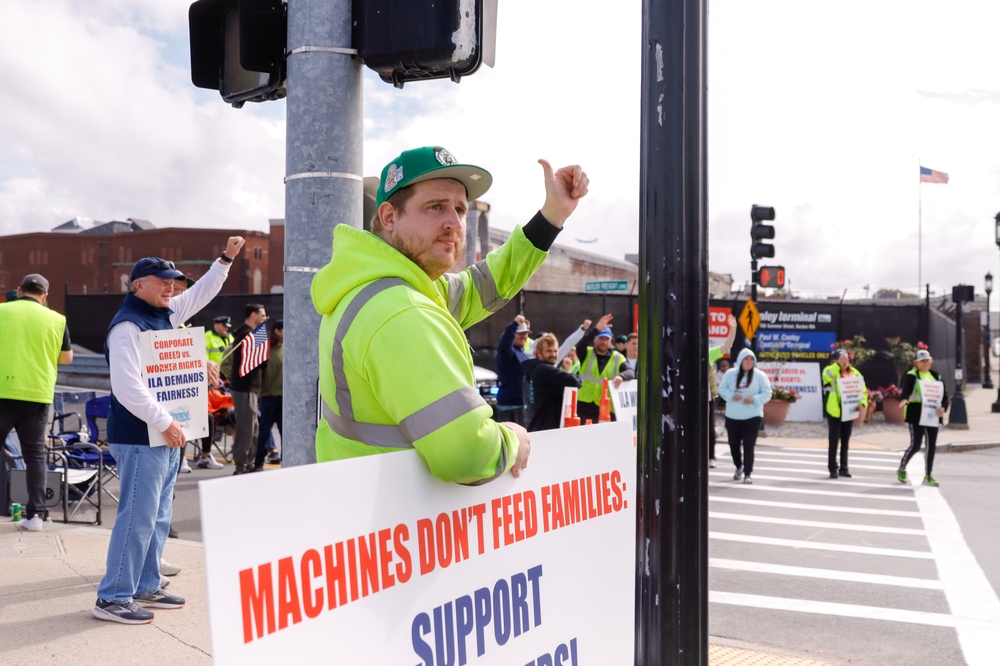
The port strike lasted only three days, from Tuesday to Friday. On October 3, 2024, a tentative agreement was reached, suspending the strike until January 15, 2025. This deal included a 62% wage increase over six years and an extension of the existing contract to allow time for further negotiations on outstanding issues, particularly automation.
The strike affected 36 major ports, disrupting the flow of goods and threatening significant economic consequences. The Biden administration played a key role in facilitating negotiations, emphasizing the need to reopen ports quickly to prevent widespread supply chain disruptions and potential holiday season shortages.
The recent port strike on the East and Gulf coasts of the United States was a brief but impactful event, lasting only 3 days from October 3-5, 2024. Despite its short duration, the port strike had significant implications for the U.S. economy and supply chain.
The strike affected 36 ports from Maine to Texas, disrupting the flow of goods and causing backlogs at major trade hubs. It was estimated to cost the U.S. economy around $5 billion per day. The strike ended when the International Longshoremen’s Association (ILA) and the United States Maritime Alliance (USMX) reached a tentative agreement on wages, with ILA wages set to increase by 61.5% over six years.
Although the port strike was resolved quickly, its effects are expected to linger. Experts estimate it will take a minimum of 3 weeks to return to normal operations and unwind the congestion caused by the strike. This brief but significant port strike highlighted the critical role of port workers in the U.S. supply chain and economy.
The sheer magnitude of goods flowing through U.S. ports is staggering. According to U.S. Customs and Border Protection, the total import value of goods entering the USA was $3.35 trillion in fiscal year 2022. This translates to an average daily import value of over $9 billion.
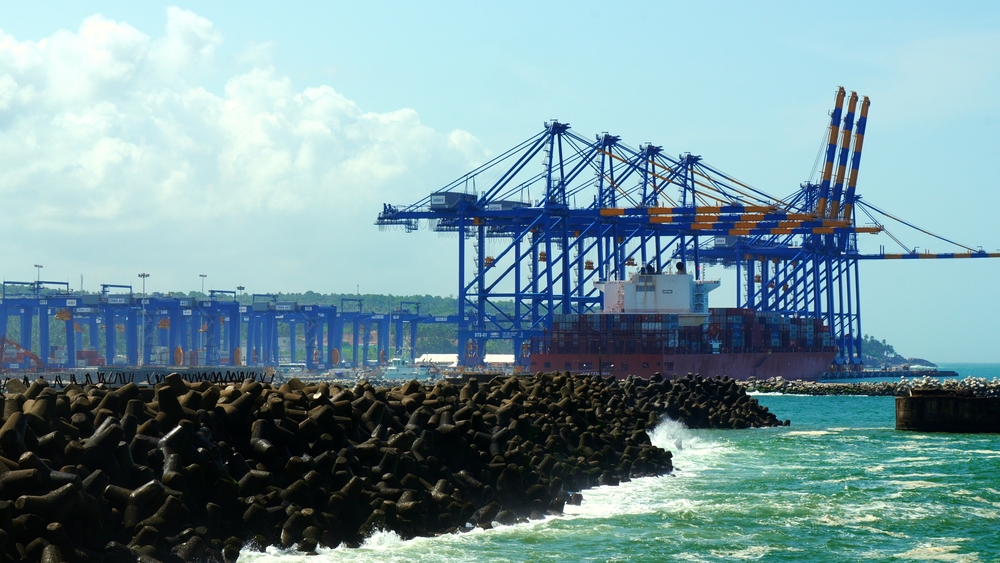
The East and Gulf Coast ports play a crucial role in this trade. More than 56% of containerized imports flow through these ports, representing an average daily trade value of more than $2.1 billion. These ports are particularly vital for specific industries:
Despite potential port strike concerns, imports and port volumes have been on the rise in 2024 compared to 2023. Key U.S. ports like Long Beach, Savannah, and New York/New Jersey have reported strong year-over-year increases in TEU (twenty-foot equivalent unit) volumes, underscoring the critical importance of these ports to the American economy.
A prolonged port strike lasting 3 weeks or more could have severe consequences for the U.S. economy. Experts estimate that such a work stoppage could cost between $4.5 billion to $7.5 billion per week, equivalent to a 0.1% hit to the country’s annualized GDP. The transportation and warehousing sectors would likely feel the immediate impact, with thousands of workers facing potential furloughs or reduced hours.
Industries heavily reliant on imports through affected East and Gulf Coast ports would experience the most direct disruptions. According to industry analysts, consumers could see shortages and price increases of up to 20-30% on basic goods, including produce, apparel, and toys. The port strike could lead to significant delays in cargo movement, increased costs, and logistical challenges for firms dependent on these crucial entry points.
While a rapid acceleration in inflation is unlikely due to relatively robust supply chain conditions, some price increases for certain imported goods may be passed on to consumers if the strike persists. The timing, just before the holiday season, could exacerbate the situation, potentially leading to product delays, shortages, and higher prices for holiday shoppers.
The port strike could lead to rapid price increases on certain goods, particularly those with shorter shelf lives. According to experts, grocery prices may be hit first, with imported perishables like coffee, bananas, and frozen foods likely to be affected almost immediately. As businesses scramble to find alternative, more expensive shipping routes, these costs will likely be passed on to consumers.
If the port strike persists, we can expect to see cascading effects throughout various sectors. The National Retail Federation warns that the strike could disrupt $3 trillion in annual U.S. international trade, leading to widespread supply chain issues. Industries heavily reliant on imports, such as pharmaceuticals, apparel, and automobiles, may face significant challenges. Prolonged disruptions could even reverse recent progress in lowering inflation, potentially forcing the Federal Reserve to reconsider its economic strategy.
During a port strike, companies often face immediate financial pressures. According to experts, businesses experience disruptions in their supply chains, leading to increased costs and potential production delays. For instance, companies like M. Levin & Company Inc., which imports produce, are already seeing price increases of 20% to 200% on imported items due to scarcity.
While companies may feel the initial impact, consumers ultimately bear the brunt of prolonged strikes. As reported by CNBC, if a port strike drags on, it can lead to higher prices and limited supplies across various industries, from groceries to pharmaceuticals. The National Retail Federation warns that such disruptions could have “devastating consequences for American workers, their families and local communities,” potentially eroding recent gains in lowering inflation.
The recent port strike has significant implications for the U.S. economy. With major ports handling approximately $3 trillion in annual trade, a prolonged shutdown could lead to supply chain disruptions and price increases. Analysts estimate the economic impact at $4.5 to $7.5 billion per week.
If the port strike persists for three weeks, consumers may experience shortages and price hikes on imported goods. Perishable items like bananas, coffee, and frozen foods are likely to be affected first. Industries relying heavily on imports, such as automotive and electronics, could face production slowdowns. However, most domestically produced food should remain readily available.
This strike is the first since 1977 for East and Gulf Coast dockworkers. Previous major strikes, like the 2002 West Coast port shutdown, lasted 11 days before government intervention. The current situation’s resolution will significantly impact both companies and consumers, with potential long-term effects on inflation and economic growth.
As we’ve explored, the port workers’ strike highlights America’s deep reliance on imports. The sheer volume and value of goods flowing through these ports daily underscore their critical role in our economy. A prolonged shutdown could lead to significant price increases and shortages across various sectors. While strikes have historically been a powerful tool for workers to advocate for their rights, they often come at a considerable cost to consumers. As you navigate the potential impacts of this strike, remember that the ripple effects may be far-reaching. Stay informed about developments and consider how you might adapt your purchasing habits if necessary. Ultimately, this situation serves as a stark reminder of the complex interconnections within our global supply chain.

Explore how trust and community drive resilience in family offices, especially in challenging times.

Explore how networking shapes family office success and investment strategies in 2026.

Explore how community and collaboration drive family office success in 2026.
Protected by reCAPTCHA — the Google Privacy Policy and Terms of Service apply.
Join the discussion
Comments are open to signed-in members. Sign in to add yours, or apply to join the network.
Sign in Apply for FON+