Emerging Trends in Real Estate for Family Offices
Discover emerging trends in real estate for family offices and how they adapt to dynamic markets.

As family offices navigate the complex landscape of real estate investment in 2026, they are increasingly prioritizing strategic diversification and innovative approaches. Understanding these shifts is crucial for optimizing portfolio performance.
In recent months, family offices have adapted their real estate strategies in response to evolving market dynamics. According to recent reporting, family offices are making opportunistic bets on real estate as traditional investors remain on the sidelines. The shift is largely driven by a desire for stability amid economic uncertainty, with family offices seeking to capitalize on undervalued assets and emerging markets.
Additionally, as wealth management strategies evolve, many family offices are placing a renewed emphasis on direct investments rather than relying solely on traditional fund structures. This trend reflects a broader move towards greater control and customization in investment decisions, allowing family offices to align more closely with their unique goals and values.
Family offices are increasingly focused on several key trends that are shaping the real estate investment landscape:
As these trends gain momentum, it’s essential for family offices to remain agile and responsive to market shifts, ensuring their real estate portfolios are well-positioned for future growth. For insights on the upcoming trends in family office real estate investments, check out real estate trends family offices should watch in 2026.
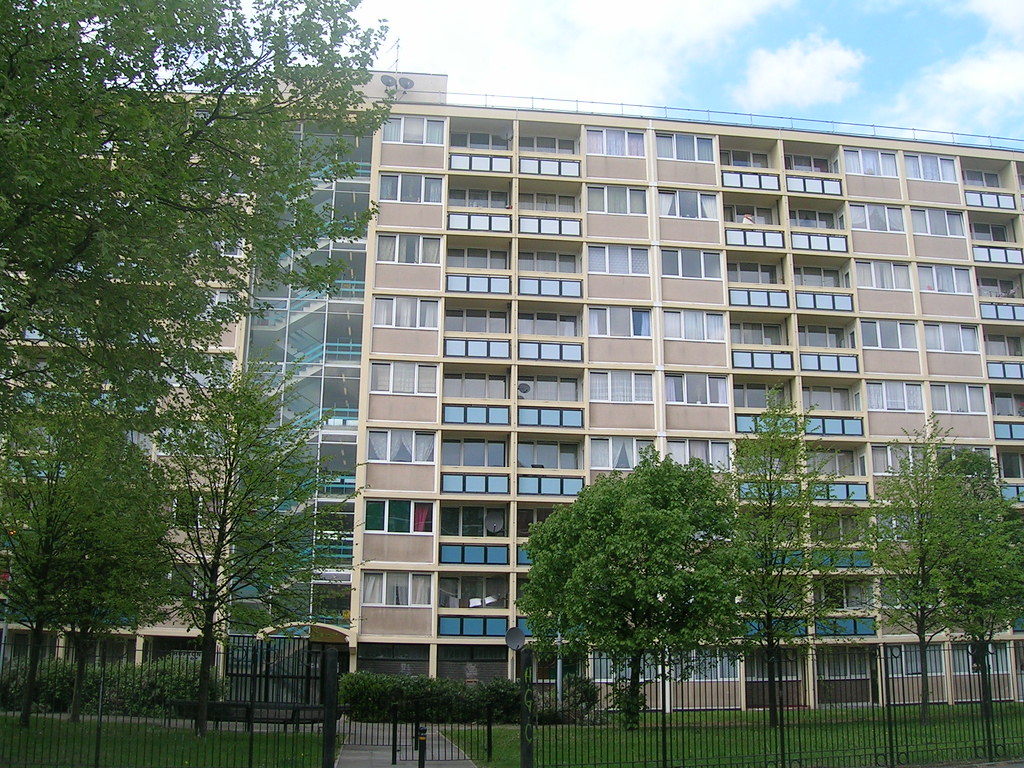
To effectively navigate the real estate landscape, family offices should consider implementing the following best practices:
Family offices that embrace a collaborative approach and leverage shared insights can significantly enhance their investment outcomes in real estate.
— Andrew Schneider, Founder & CEO, Family Office Networks
As family offices look ahead, several emerging opportunities are gaining traction:
These opportunities not only promise potential returns but also align with broader societal goals, positioning family offices as responsible stewards of capital. For a deeper dive into the luxury real estate landscape, refer to navigating the luxury real estate landscape for family offices.

In a rapidly changing investment landscape, family offices must remain proactive in their real estate strategies. By focusing on diversification, embracing technology, and pursuing emerging opportunities, they can enhance their portfolios while aligning with their core values.
Family offices prioritize due diligence, market conditions, and alignment with their investment philosophy, including ESG considerations.
Through club deals and co-investments, family offices can pool resources and share insights, mitigating risks and enhancing deal access.
Key trends include impact investing, geographic diversification, and the integration of technology in decision-making processes.
Family offices are increasingly considering flexible workspaces and co-working environments as viable investment opportunities to adapt to changing workforce needs.

Discover emerging trends in real estate for family offices and how they adapt to dynamic markets.

Discover how family offices are strategically investing in trophy real estate.

Explore how family offices are adapting their trophy real estate strategies in 2026.
Protected by reCAPTCHA — the Google Privacy Policy and Terms of Service apply.
Join the discussion
Comments are open to signed-in members. Sign in to add yours, or apply to join the network.
Sign in Apply for FON+