The Allure of Luxury Collectibles: A Family Office Perspective
Discover why luxury collectibles are becoming essential assets for family offices.

Family offices are stepping beyond traditional asset classes, embracing a new paradigm of luxury investments. This shift not only emphasizes material wealth but redefines the very essence of luxury through curated experiences and bespoke services.
Historically, luxury has been synonymous with ownership—yachts, private jets, exquisite art. However, recent trends indicate a significant shift towards experiential luxury. Family offices are increasingly prioritizing unique experiences over mere possessions, recognizing that the ultra-high-net-worth (UHNW) demographic is evolving.
In conversations across the FON membership, many principals emphasize that today’s wealthy individuals seek meaningful experiences that resonate with their values. This transformation is driven by a younger generation that prioritizes personal fulfillment and societal impact over traditional notions of wealth.
As curators of high-end lifestyles, family offices are uniquely positioned to facilitate tailored experiences that align with their principals’ interests. This can manifest in various forms:
These curated experiences not only enhance the lifestyle of UHNW individuals but also create lasting memories that material possessions cannot provide. Moreover, family offices can leverage their networks to provide access to hidden gems and exclusive opportunities that are often unavailable to the general public.
Investing in luxury assets has traditionally been viewed as a way to diversify portfolios. However, the current landscape is evolving. Recent reporting from Pam Insight highlights how family offices are pivoting to luxury assets as the next generation reshapes wealth priorities. This includes not only tangible assets like art and vintage cars but also stakes in luxury brands and experiences. For instance, family offices are increasingly looking to invest in luxury brands that resonate with their values and those of their principals. This trend reflects a broader understanding that luxury investments can yield significant returns while also enhancing personal enjoyment and societal impact.
Despite the allure of luxury investments, family offices face several challenges. Evaluating the authenticity and provenance of luxury goods can be complex, particularly in markets rife with counterfeits. Additionally, as the market for luxury experiences expands, distinguishing between genuine luxury and mere hype becomes increasingly difficult.
Principals conversing in the FON network frequently discuss the importance of due diligence when selecting luxury investments. This is especially true in sectors like art and collectibles, where the emotional and financial values can be highly subjective. Engaging specialists in these areas has become a best practice for many family offices. The emotional and financial values of collectibles can be highly subjective, making expert guidance essential.
Looking ahead, the luxury landscape will continue to evolve. Family offices are not just passive investors; they are active participants in shaping the future of luxury. Collaborations between family offices and luxury brands are likely to become more common, with family offices seeking to influence product offerings and experiences that align with their values.
As reported by Art Basel, family offices are also leveraging art and cultural investments to enhance their portfolios while simultaneously supporting the arts. This dual approach not only diversifies their investments but also positions them as champions of cultural heritage, appealing to the values of the next generation.

Family offices are at the forefront of redefining luxury, shifting from traditional asset holdings to curated experiences that enhance personal fulfillment and societal impact. This evolution reflects a broader trend among UHNW individuals who seek meaningful engagement over mere possession. As family offices continue to adapt to these changing desires, they will play a crucial role in shaping the future landscape of luxury.
The shift is driven by a younger generation prioritizing meaningful experiences and personal fulfillment over traditional material wealth.
Challenges include evaluating authenticity, navigating counterfeits, and distinguishing genuine luxury from hype.
Engaging specialists for due diligence and focusing on investments that align with personal values are effective strategies.
The future will see more collaborations with luxury brands and a focus on supporting cultural heritage through art and experiences.
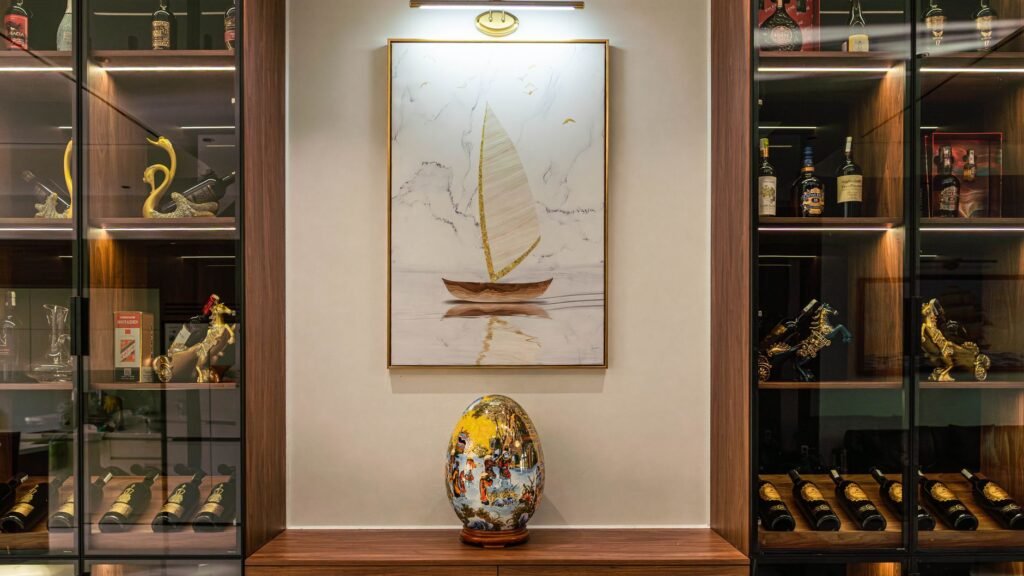
Discover why luxury collectibles are becoming essential assets for family offices.
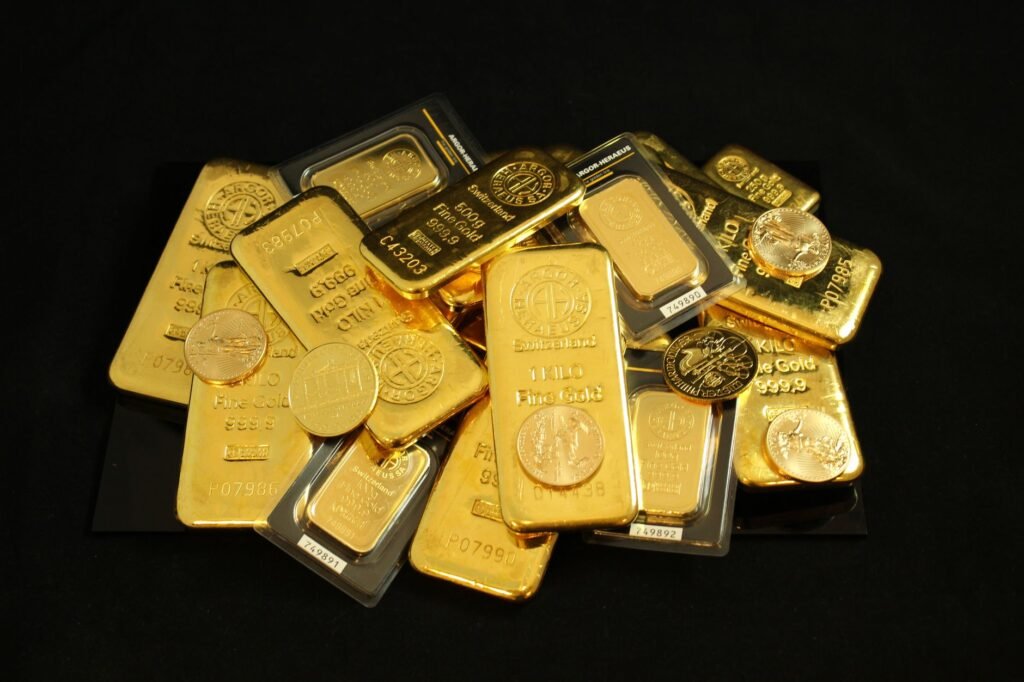
Discover how family offices are redefining luxury asset investments in 2026.

Family offices are redefining fine art ownership, merging investment with passion and heritage.
Protected by reCAPTCHA — the Google Privacy Policy and Terms of Service apply.
Join the discussion
Comments are open to signed-in members. Sign in to add yours, or apply to join the network.
Sign in Apply for FON+