The Allure of Luxury Yachts: A Family Office Investment Perspective
Luxury yachts are becoming a key investment for family offices, blending leisure and asset appreciation.

Choosing jewelry as an investment extends beyond mere aesthetics; it encompasses provenance, authenticity, and asset management. Understanding these criteria is essential for family office principals looking to integrate jewelry into their investment portfolios.
When selecting jewelry for investment purposes, it’s crucial to consider several key factors that can influence both its financial value and personal appeal. Here are the primary criteria to keep in mind:
Proper valuation and authentication processes are fundamental when incorporating jewelry into a family office’s balance sheet. Engaging with reputable appraisers who specialize in fine jewelry can ensure that your investments are accurately assessed.
Consider these essential steps in the valuation process:
Insurance is a critical component of protecting your jewelry investments. High-value items should be insured under a specialty policy that covers loss, theft, or damage. Here are some best practices for insurance:
Storage is equally important. Jewelry should be stored in a secure, climate-controlled environment to prevent damage. Consider these storage solutions:
Succession planning is vital for ensuring that jewelry investments remain valued assets within the family. Establishing a clear plan for the transfer of ownership can prevent disputes and ensure that the passion for these items is passed down through generations. Here are steps to consider:
While jewelry can serve as both a passion asset and an investment, it’s crucial to understand the trade-offs between the two roles. As a passion asset, jewelry can evoke emotions, represent personal milestones, and enhance one’s lifestyle. Investing in jewelry, however, requires a more analytical approach focused on long-term value appreciation.
Family office principals should ask themselves the following questions when considering jewelry as an investment:
Factors such as provenance, rarity, condition, and market trends significantly influence the resale value of jewelry.
Engage with specialized insurers and maintain updated appraisals to ensure adequate coverage for your jewelry assets.
Create an inventory, discuss intentions with family members, and consider establishing a trust for structured management.
Yes, jewelry can fulfill both roles, but it’s important to balance personal enjoyment with market considerations.
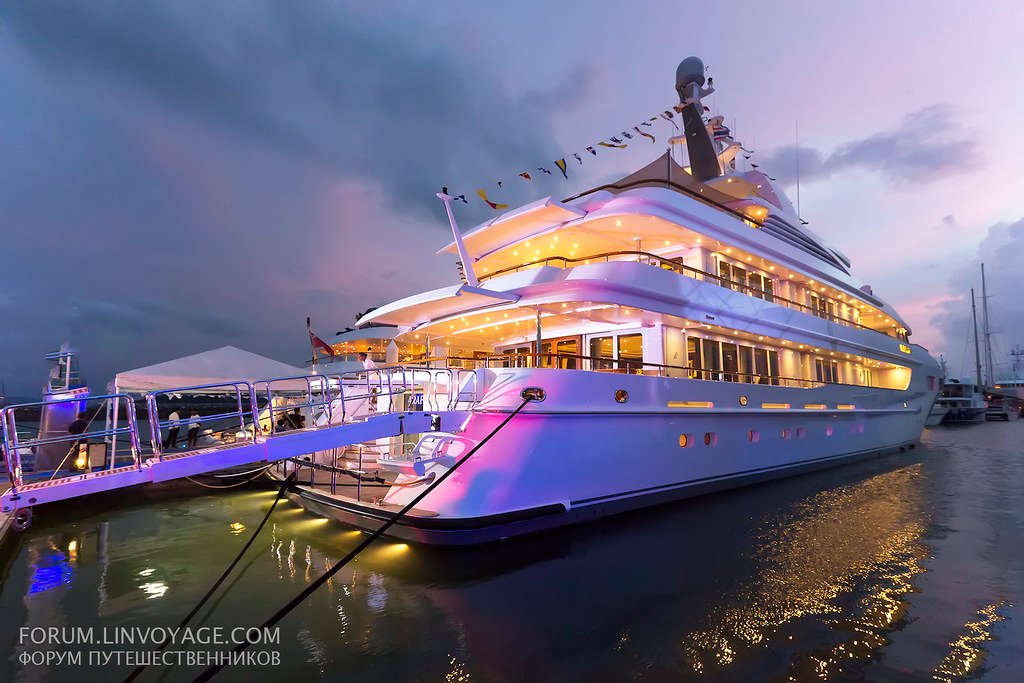
Luxury yachts are becoming a key investment for family offices, blending leisure and asset appreciation.
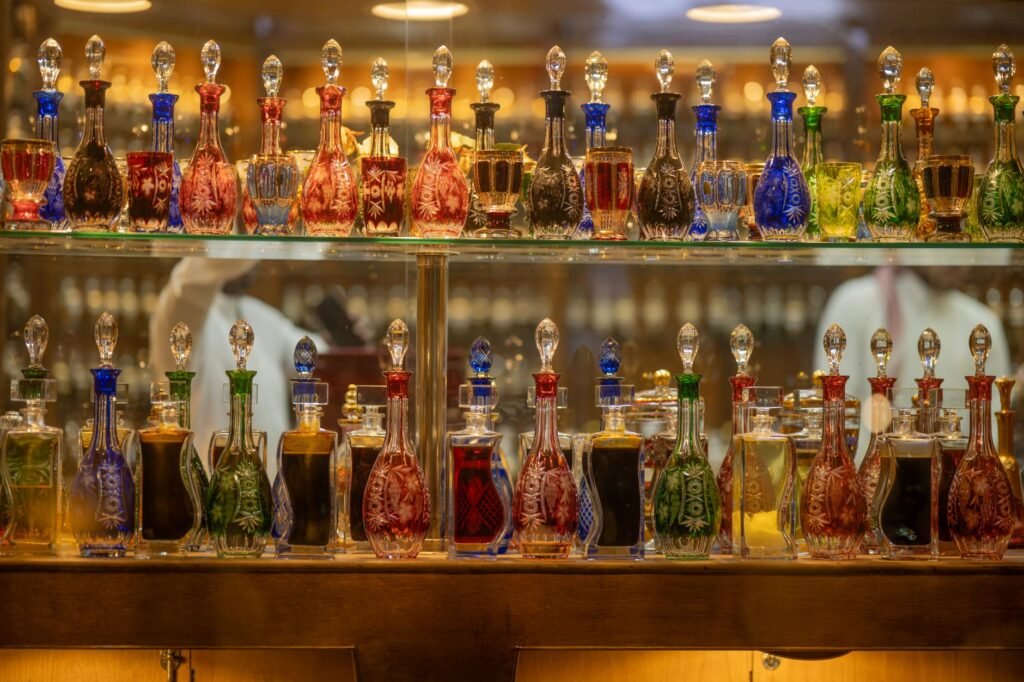
Discover how luxury collectibles are becoming essential assets for family offices in 2026.
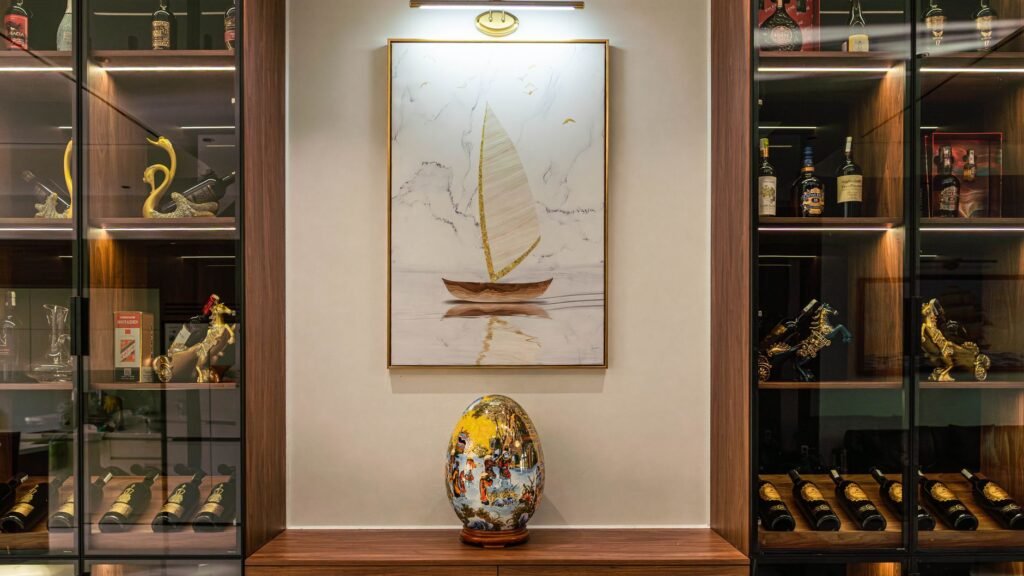
Discover why luxury collectibles are becoming essential assets for family offices.
Protected by reCAPTCHA — the Google Privacy Policy and Terms of Service apply.
Join the discussion
Comments are open to signed-in members. Sign in to add yours, or apply to join the network.
Sign in Apply for FON+