The Allure of Luxury Collectibles: A Family Office Perspective
Discover why luxury collectibles are becoming essential assets for family offices.
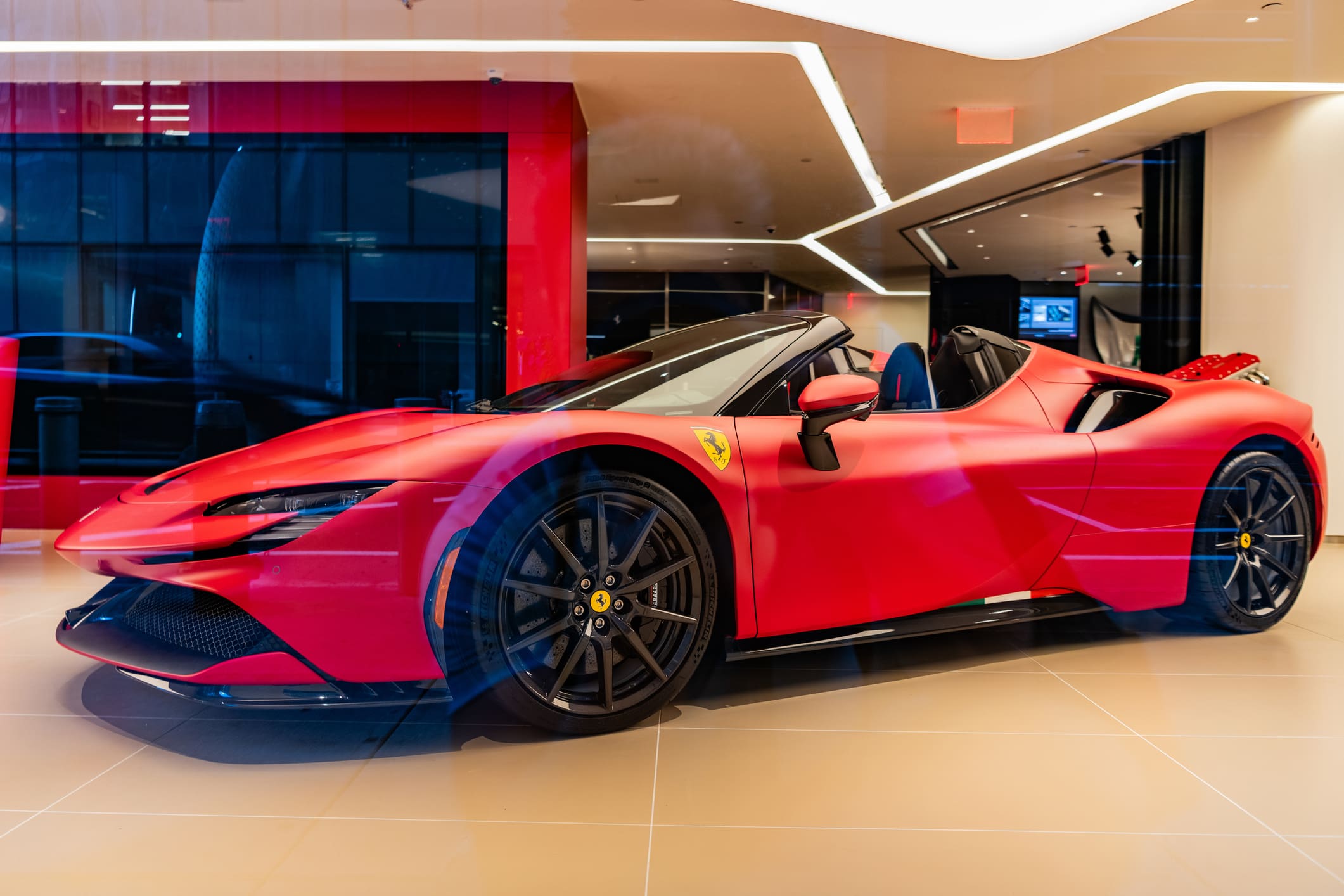
As you delve into the rich history of Ferrari, you’ll discover a legacy that has captivated automotive enthusiasts for decades. From its humble beginnings to its current status as a global icon, the Prancing Horse has galloped through time, leaving an indelible mark on motorsports and luxury car manufacturing. Andrew Schneider of FON Media recently noted that Ferrari’s brand value increased by 31% in 2022, reaching $7.4 billion. This statistic, shared among FON members, underscores the enduring appeal of Enzo Ferrari’s vision. Join us as we explore the triumphs, innovations, and timeless designs that have solidified Ferrari’s position as a symbol of excellence and passion in the automotive world.
The Origins of Ferrari: From Alfa Romeo to the Prancing Horse
Enzo Ferrari’s Early Career
Enzo Ferrari’s journey in the automotive world began long before the iconic prancing horse logo graced his cars. His passion for racing ignited in childhood, attending races with his father and brother. Ferrari’s career took off when he became a tester for small companies, eventually leading to his role as director of Alfa Romeo’s racing department.
Birth of the Prancing Horse
In 1923, a pivotal moment occurred after Ferrari won a race at the Savio circuit in Ravenna. He met Count Enrico Baracca and Countess Paolina Baracca, who suggested he use the prancing horse logo for good luck. This emblem, known as the “Cavallino Rampante,” originated from the insignia of Italian World War I fighter pilot Francesco Baracca. Ferrari adopted this symbol, which would become synonymous with his brand’s racing heritage and pursuit of excellence.
From Alfa Romeo to Ferrari S.p.A.
Enzo Ferrari founded Auto Avio Costruzioni in 1939, aiming to surpass Alfa Romeo with his own creations. The company initially focused on manufacturing aircraft parts during World War II. In 1947, Ferrari established Ferrari S.p.A., merging his previous venture into this new entity. This marked the beginning of Ferrari’s journey as an independent automaker, introducing its first road car, the 125 S, that same year. The prancing horse logo, now refined and placed on a yellow shield representing Ferrari’s hometown of Modena, became the emblem of Italian automotive excellence and innovation.
Ferrari’s Early Racing Dominance in the 1940s and 50s
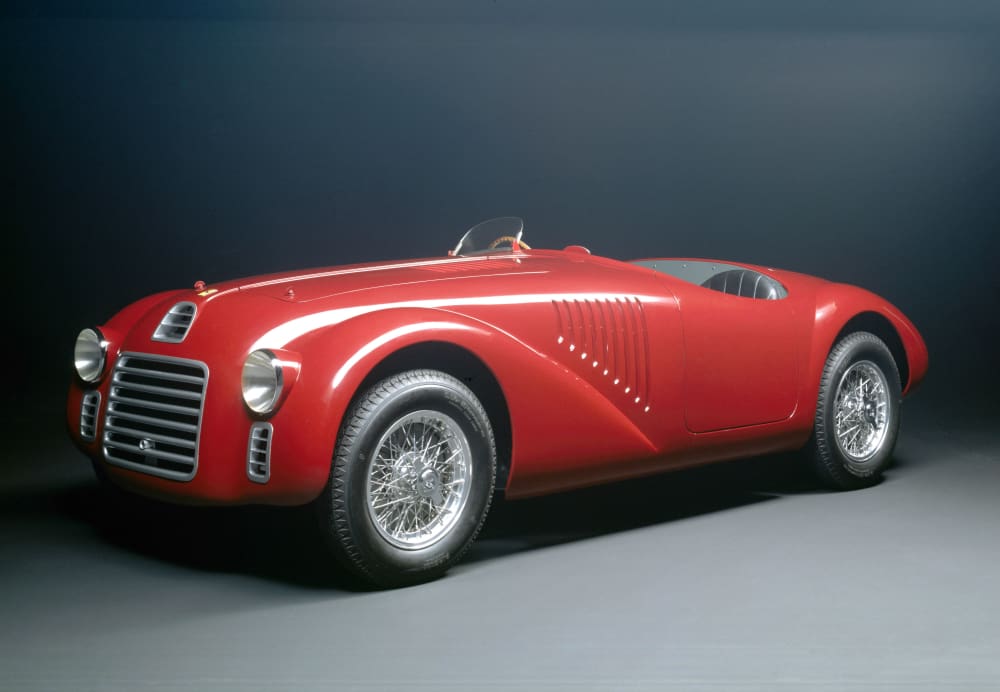
The Birth of a Legend
In 1947, Ferrari unveiled its first racing car, the 12-cylinder 1.5L Tipo 125, marking the beginning of an era that would redefine motorsport history. This groundbreaking machine set the stage for Ferrari’s unparalleled success in the years to come, demonstrating Enzo Ferrari’s unwavering commitment to excellence and innovation.
Conquering Formula One
Ferrari’s entry into the inaugural 1950 Formula One World Championship season solidified its position as a cornerstone of motorsport. The Scuderia quickly established itself as a dominant force, with Alberto Ascari securing back-to-back titles in 1952 and 1953. These early victories laid the foundation for Ferrari’s enduring legacy in Formula One.
Expanding Horizons
Beyond Formula One, Ferrari’s influence extended to other prestigious racing events. The company’s victories in the 24 Hours of Le Mans and other endurance challenges showcased the versatility and reliability of Ferrari’s machines. This period of dominance attracted world-class drivers and engineers to the Scuderia, further cementing Ferrari’s reputation as the pinnacle of motorsport excellence.
A Legacy Forged in Victory
By the end of the 1950s, Ferrari had amassed an impressive collection of over 5,000 race wins, including multiple World Sportscar Championships. This unprecedented success not only established Ferrari as a racing powerhouse but also played a crucial role in developing and promoting its road cars, creating a symbiotic relationship between track performance and consumer appeal.
The Golden Era of the 1960s and 70s
Racing Dominance and Iconic Models
The 1960s and 70s marked a golden age for Ferrari, cementing its status as a powerhouse in both racing and luxury sports car manufacturing. During this pivotal era, Ferrari became a dominant force in motorsport, with legendary drivers like Juan Manuel Fangio, Phil Hill, and Niki Lauda bringing numerous Formula 1 World Championships to the Scuderia Ferrari team. These victories not only solidified Ferrari’s racing legacy but also fueled the development of iconic road models.
Revolutionary Designs and Engineering Prowess
This period saw the birth of some of Ferrari’s most revered models, including the 250 GTO and the Daytona. These cars showcased Ferrari’s commitment to pushing the boundaries of automotive design and performance. The introduction of the Dino, named after Enzo Ferrari’s son, represented a shift towards more accessible Ferrari models, while still maintaining the brand’s signature style and performance.
Legacy and Global Recognition
The innovations of this era laid the foundation for Ferrari’s future success. The company expanded its global presence and reputation, solidifying its status as a globally recognized brand known for exceptional engineering and design. The spirit of this golden age continues to inspire Ferrari’s modern masterpieces, as seen in models like the Daytona SP3, which draws inspiration from the sports prototype race cars of the 1960s and 70s.
Modern Day Ferrari Supercars and Technology
Cutting-Edge Performance
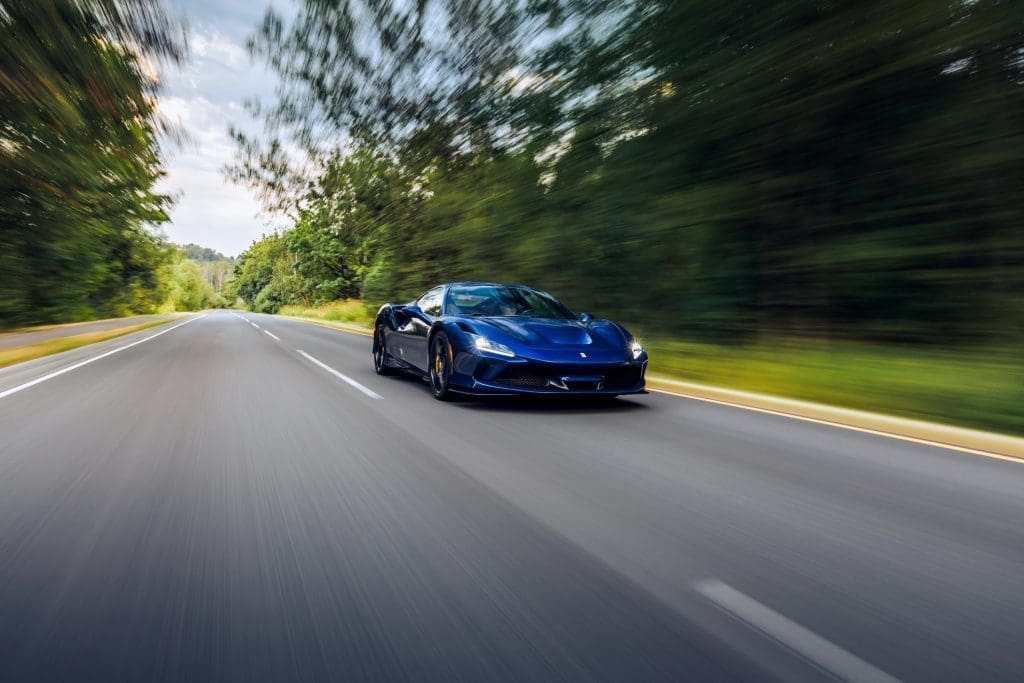
Ferrari continues to push the boundaries of supercar technology, blending its rich racing heritage with cutting-edge innovations. The brand’s commitment to advanced engineering is showcased through the development of powerful and efficient powertrains, including the integration of hybrid technology in models like the LaFerrari. This relentless pursuit of excellence ensures that Ferrari remains at the forefront of high-performance automotive design.
Aerodynamic Mastery
Ferrari’s focus on lightweight materials and aerodynamic optimization ensures their vehicles deliver exceptional performance and handling, both on the road and track. The brand leverages advanced computational fluid dynamics and wind tunnel testing to create sleek, elegant styling that defines their iconic Italian supercars. This commitment to aerodynamic efficiency not only enhances performance but also contributes to the breathtaking aesthetics that Ferrari is renowned for.
Driver-Centric Cockpit Design
The latest Ferrari models have taken cockpit design to new heights, with fully digital, multi-functional displays and controls integrated into the steering wheel for a more focused, driver-centric experience. This evolution builds upon decades of interior innovation, from the elegant simplicity of early models to the advanced ergonomics and materials of modern supercars. The result is a cockpit that not only exudes luxury but also enhances the driving experience through intuitive controls and state-of-the-art technology.
The Legacy and Mystique of the Prancing Horse
A Symbol of Excellence
The Ferrari Prancing Horse emblem is more than just a logo; it’s a symbol of automotive excellence and racing heritage. This iconic symbol has graced some of the most desirable and valuable collector cars in history, representing the pinnacle of Italian engineering and design. The prancing stallion on a yellow background has become synonymous with speed, luxury, and unparalleled performance.
Racing Pedigree
Ferrari’s legacy is deeply rooted in motorsport, with countless victories on the world’s most prestigious racetracks. From Formula 1 to endurance racing, the Prancing Horse has consistently pushed the boundaries of automotive technology. This racing DNA is evident in every road car that leaves the Maranello factory, ensuring that each Ferrari delivers an exhilarating driving experience.
Collector’s Dream
The rarity and prestige of Ferrari models have made them highly sought after by collectors worldwide. According to recent trends, Ferrari consistently ranks among the top brands in collector car auctions, with certain models fetching astronomical prices. The combination of limited production numbers, innovative technology, and timeless design ensures that Ferraris remain valuable investments and objects of desire for enthusiasts and collectors alike.
Cultural Icon
Beyond the automotive world, Ferrari has become a cultural phenomenon, representing Italian craftsmanship, passion, and the pursuit of perfection. The Prancing Horse has transcended its origins to become a global symbol of success and aspiration, featured in countless films, artworks, and popular culture references. This enduring mystique continues to captivate new generations of admirers, ensuring that the Ferrari legend will live on for years to come.
As you’ve seen, Ferrari’s legacy spans decades of automotive innovation and racing triumphs. From Enzo’s early victories to today’s cutting-edge hypercars, the Prancing Horse continues to captivate enthusiasts worldwide. Recent statistics show Ferrari’s enduring popularity, with over 11,000 vehicles delivered in 2021 alone. As Andrew Schneider of FON Media notes, “Ferrari remains the pinnacle of performance and luxury.” FON members consistently rank Ferrari as a top aspirational brand. Whether on the track or the street, Ferrari’s commitment to excellence ensures its place as an icon of Italian engineering and design for years to come. The Ferrari story is far from over – the best may be yet to come.
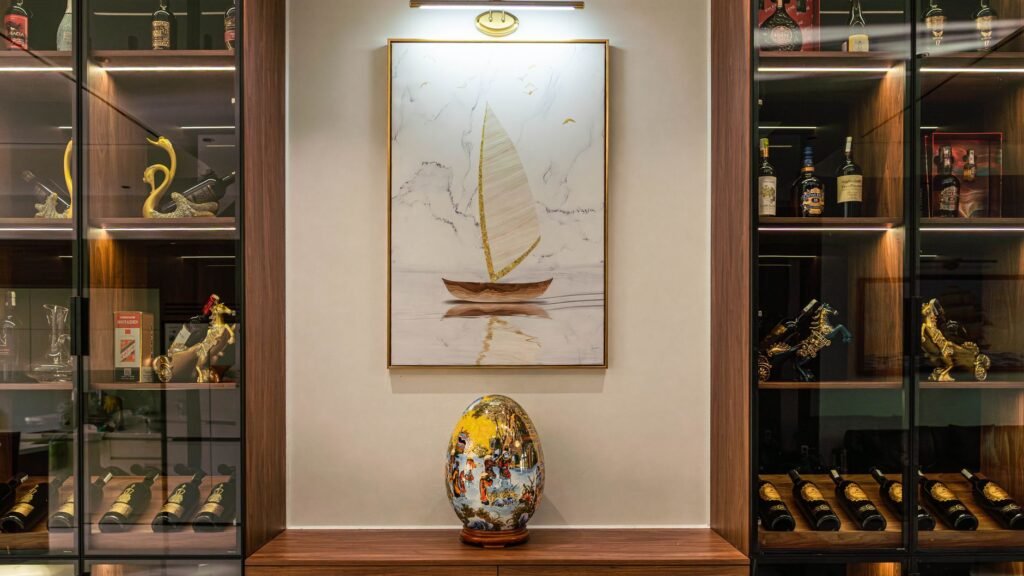
Discover why luxury collectibles are becoming essential assets for family offices.
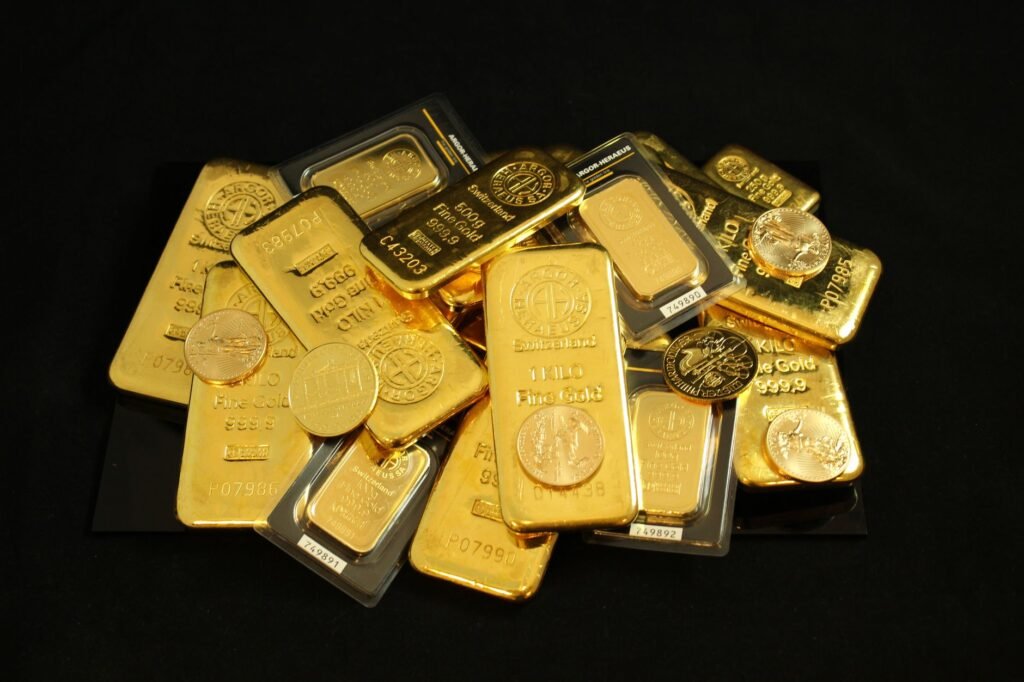
Discover how family offices are redefining luxury asset investments in 2026.

Family offices are redefining fine art ownership, merging investment with passion and heritage.
Protected by reCAPTCHA — the Google Privacy Policy and Terms of Service apply.
Join the discussion
Comments are open to signed-in members. Sign in to add yours, or apply to join the network.
Sign in Apply for FON+